

Effluent Treatment Plant: A Comprehensive Guide to Industrial Wastewater Management


Effluent Treatment Plant: A Comprehensive Guide to Industrial Wastewater Management
In today's environmentally conscious world, proper wastewater management isn't just a regulatory requirement—it's a crucial aspect of responsible industrial operations. An effluent treatment plant (ETP) serves as the cornerstone of industrial wastewater management, ensuring that contaminated water is properly treated before being discharged into the environment. As experts in industrial automation and monitoring solutions, we'll guide you through everything you need to know about effluent treatment plants and how to optimize their operation.
What is an Effluent Treatment Plant?
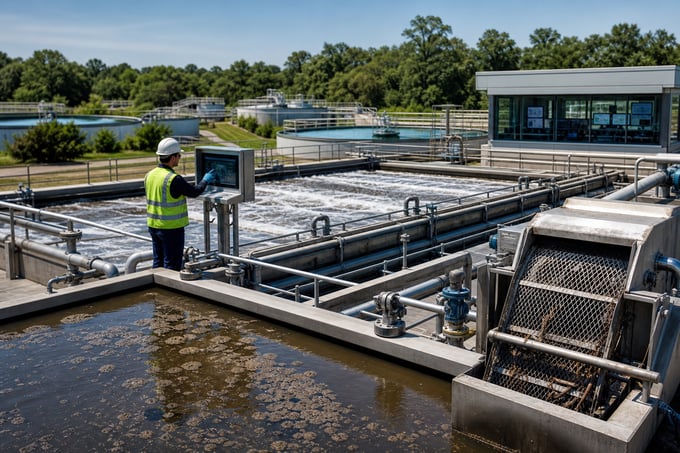
An effluent treatment plant is a facility designed to purify industrial wastewater and toxic effluents before they're released into the environment. These sophisticated systems employ various physical, chemical, and biological processes to remove contaminants and ensure the treated water meets environmental regulations.
Key Components of an Effluent Treatment Plant
A typical ETP consists of several crucial components working in harmony:
| Component | Function |
|---|---|
| Collection Tank | Receives and stores incoming wastewater |
| Screening Unit | Removes large solid particles |
| Equalization Tank | Balances flow and normalizes composition |
| Chemical Treatment Unit | Adds chemicals for coagulation and flocculation |
| Biological Treatment Unit | Removes organic matter through bacterial action |
| Clarifier | Separates treated water from sludge |
| Sludge Handling System | Processes and disposes of accumulated sludge |
The Treatment Process in an Effluent Treatment Plant
The treatment process typically follows these stages:
1. Primary Treatment
During this initial phase, physical processes remove larger particles and suspended solids. This includes screening, sedimentation, and oil/grease separation. Modern ETPs often employ automated screening systems with real-time monitoring capabilities to ensure optimal removal efficiency.
2. Secondary Treatment
This stage focuses on removing dissolved organic matter through biological processes. Microorganisms break down contaminants in aeration tanks, while advanced monitoring systems track dissolved oxygen levels and bacterial activity to maintain optimal conditions.
3. Tertiary Treatment
The final stage involves advanced treatment methods such as filtration, disinfection, and specific contaminant removal. This ensures the treated water meets stringent quality standards before discharge.
Monitoring and Control Systems in Modern ETPs
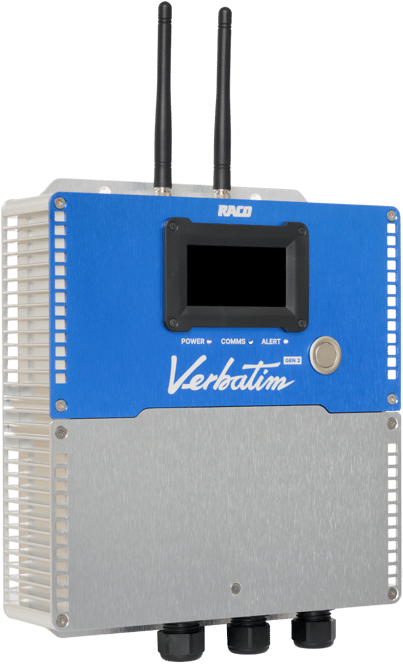
Effective operation of an effluent treatment plant relies heavily on sophisticated monitoring and control systems. At RACO Manufacturing & Engineering, we understand the critical nature of these systems and provide solutions that ensure:
- Real-time monitoring of key parameters including:
- pH levels
- Dissolved oxygen
- Chemical oxygen demand (COD)
- Total suspended solids (TSS)
- Automated alarm systems for:
- Equipment malfunctions
- Parameter deviations
- Emergency situations
- Remote monitoring capabilities enabling:
- 24/7 system oversight
- Rapid response to issues
- Efficient resource management
Common Challenges and Solutions in ETP Operation
Operating an effluent treatment plant comes with various challenges that require careful attention and proper solutions:
| Challenge | Solution |
|---|---|
| Fluctuating Influent Quality | Implementation of advanced monitoring systems with real-time adjustment capabilities |
| Equipment Failure | Predictive maintenance programs and backup systems |
| Operational Costs | Energy-efficient equipment and process optimization |
| Compliance Issues | Automated monitoring and reporting systems |
Optimizing ETP Performance Through Automation
Modern effluent treatment plants benefit significantly from automation technologies. Our experience at RACO has shown that implementing automated systems can lead to:
- Reduced operational costs through optimized chemical usage
- Improved treatment efficiency with precise process control
- Better compliance with environmental regulations
- Enhanced safety through reduced human intervention in hazardous areas
Future Trends in Effluent Treatment Plant Technology
The future of effluent treatment plants is evolving with emerging technologies:
- Integration of AI and machine learning for predictive maintenance
- Advanced membrane technologies for improved filtration
- Zero liquid discharge (ZLD) systems
- Energy recovery and sustainable operation methods
Conclusion
An effluent treatment plant is more than just a regulatory requirement—it's a crucial investment in environmental sustainability and operational efficiency. By understanding the components, processes, and challenges involved in ETP operation, industries can better manage their wastewater treatment systems and ensure compliance with environmental standards.
For more information about implementing effective monitoring and control systems for your effluent treatment plant, contact RACO Manufacturing & Engineering. Our expertise in industrial automation and monitoring solutions can help optimize your ETP operations and ensure reliable, efficient performance.