

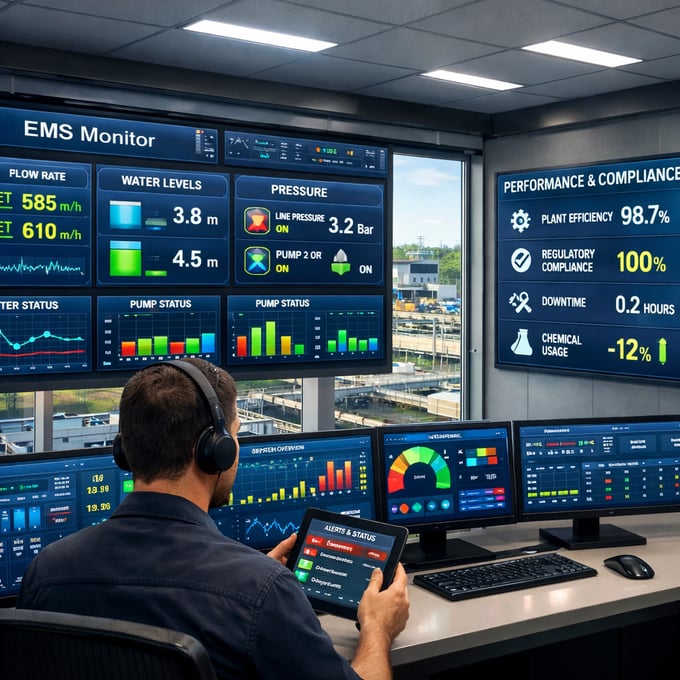
EMS Monitor: The Ultimate Guide to Remote Monitoring Systems in Wastewater Management


EMS Monitor: The Ultimate Guide to Remote Monitoring Systems in Wastewater Management
In today's complex wastewater management landscape, an EMS monitor system stands as a crucial tool for maintaining operational efficiency and environmental compliance. As municipalities and industrial facilities face increasing pressure to optimize their operations while reducing costs, understanding the capabilities and benefits of an EMS monitor has never been more important.
What is an EMS Monitor?
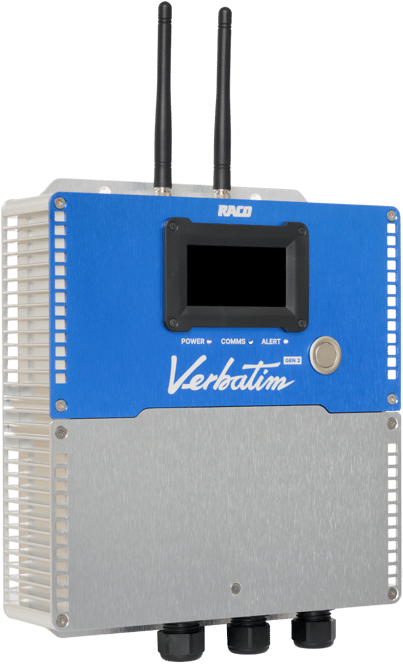
An EMS (Environmental Monitoring System) monitor is a sophisticated remote monitoring solution that provides real-time oversight of critical wastewater infrastructure. These systems combine advanced sensors, telecommunications, and data analysis capabilities to deliver comprehensive monitoring of pump stations, lift stations, and treatment facilities.
Core Components of an EMS Monitor System
A complete EMS monitor solution typically includes:
| Component | Function |
|---|---|
| Sensors | Monitor flow rates, water levels, pressure, and other critical parameters |
| RTU (Remote Terminal Unit) | Collects and transmits data from field instruments |
| Communication System | Enables data transmission through cellular, radio, or satellite networks |
| Central Monitoring Station | Processes incoming data and generates alerts |
| User Interface | Provides access to system data and controls |
Benefits of Implementing an EMS Monitor
1. Enhanced Operational Efficiency
An EMS monitor system transforms how facilities manage their wastewater operations. By providing continuous monitoring and real-time alerts, operators can:
- Identify and address potential issues before they become critical
- Optimize pump performance and energy usage
- Reduce unnecessary site visits through remote monitoring capabilities
- Implement predictive maintenance strategies
2. Regulatory Compliance
Environmental regulations continue to become more stringent, making compliance a top priority for wastewater facilities. EMS monitor systems help maintain compliance by:
- Automatically documenting operational parameters - Generating required compliance reports - Providing early warning of potential violations - Maintaining detailed historical records
Advanced Features of Modern EMS Monitor Systems
Cloud-Based Integration
Today's EMS monitor solutions leverage cloud technology to provide:
| Feature | Benefit |
|---|---|
| Remote Access | Monitor systems from anywhere with internet access |
| Data Storage | Secure, unlimited storage of historical data |
| Automatic Updates | System improvements without on-site visits |
| Scalability | Easy expansion as monitoring needs grow |
Smart Alerting Capabilities
Modern EMS monitor systems employ sophisticated alerting mechanisms that can:
- Differentiate between routine and critical alerts - Route notifications to appropriate personnel based on severity - Escalate unacknowledged alerts automatically - Provide detailed diagnostic information with each alert
Selecting the Right EMS Monitor System
Key Considerations
When evaluating EMS monitor options, consider these crucial factors:
- Scalability: Choose a system that can grow with your facility's needs
- Integration Capabilities: Ensure compatibility with existing SCADA systems and equipment
- Support Services: Evaluate the vendor's technical support and maintenance offerings
- Cost of Ownership: Consider both initial investment and long-term operational costs
Implementation Best Practices
Successful implementation of an EMS monitor system requires careful planning and execution:
1. Site Assessment
Conduct a thorough evaluation of your facility's monitoring needs, including:
- Current pain points and operational challenges - Critical monitoring points - Communication infrastructure requirements - Integration with existing systems2. Staff Training
Develop a comprehensive training program that covers:
- System operation and maintenance - Alert response procedures - Troubleshooting protocols - Data analysis and reportingFuture Trends in EMS Monitor Technology
The evolution of EMS monitor systems continues with emerging technologies:
| Technology | Impact |
|---|---|
| Artificial Intelligence | Enhanced predictive maintenance and operational optimization |
| IoT Integration | Expanded sensor networks and improved data collection |
| Advanced Analytics | Better decision-making through data-driven insights |
| 5G Connectivity | Faster, more reliable data transmission |
Conclusion
An EMS monitor system represents a critical investment in modern wastewater infrastructure management. By providing real-time monitoring, advanced analytics, and automated alerting, these systems help facilities optimize operations, ensure compliance, and reduce costs. As technology continues to evolve, EMS monitor capabilities will expand, offering even greater value to wastewater management operations.
For more information about implementing an EMS monitor system in your facility, contact RACO Manufacturing & Engineering's expert team. Our solutions provide industry-leading reliability and support to help you achieve your monitoring goals.