


Enterprise Monitoring Software: The Complete Guide to Industrial Process Optimization


Enterprise Monitoring Software: The Complete Guide to Industrial Process Optimization
In today's fast-paced industrial landscape, maintaining operational efficiency while ensuring regulatory compliance has become increasingly complex. Enterprise monitoring software serves as the backbone of modern industrial operations, providing real-time insights and control over critical processes. This comprehensive guide explores how this technology revolutionizes industrial automation and helps organizations achieve their operational goals.
Understanding Enterprise Monitoring Software
Enterprise monitoring software is a sophisticated system that provides comprehensive oversight of industrial processes, equipment performance, and operational metrics across an organization. Unlike basic monitoring tools, enterprise-level solutions offer scalable, integrated capabilities that span multiple facilities and processes.
Key Components of Enterprise Monitoring Systems
| Component | Function |
|---|---|
| Data Collection Module | Gathers real-time information from sensors, PLCs, and other industrial equipment |
| Analytics Engine | Processes data to identify patterns, anomalies, and optimization opportunities |
| Reporting Interface | Generates customizable reports and dashboards for stakeholders |
| Alert Management | Provides immediate notification of critical events and system anomalies |
Benefits of Implementing Enterprise Monitoring Software
Organizations implementing robust monitoring solutions experience numerous advantages that directly impact their bottom line:
1. Enhanced Operational Efficiency
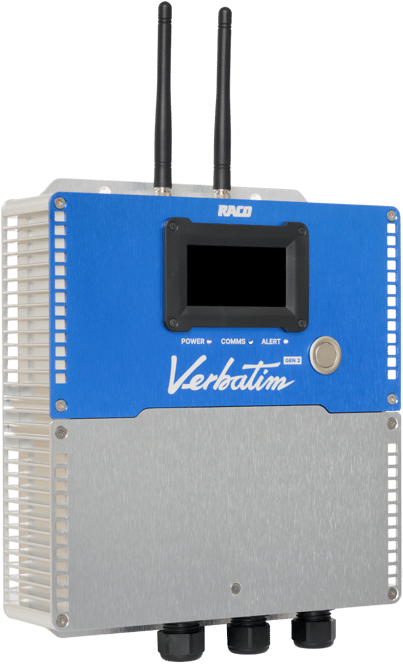
Modern enterprise monitoring platforms like RACO's Catalyst system enable organizations to optimize their processes through real-time data analysis and automated response capabilities. This leads to reduced downtime, improved resource allocation, and enhanced productivity across operations.
2. Predictive Maintenance Capabilities
Advanced monitoring software can predict equipment failures before they occur, allowing maintenance teams to address issues proactively rather than reactively. This predictive approach typically results in:
- 20-30% reduction in maintenance costs
- 10-20% decrease in unplanned downtime
- Extended equipment lifecycle
3. Regulatory Compliance
Enterprise monitoring software ensures consistent compliance with industry regulations by:
- Automatically documenting operational parameters
- Maintaining detailed audit trails
- Generating compliance reports
- Alerting personnel to potential violations
Critical Features of Modern Enterprise Monitoring Solutions
Remote Monitoring and Control
Today's enterprise monitoring software must provide secure remote access capabilities. RACO's solutions enable operators to monitor and control systems from anywhere, ensuring continuous oversight of critical processes even during challenging circumstances like the recent global pandemic.
Integration Capabilities
Modern monitoring solutions should seamlessly integrate with:
- SCADA systems
- Enterprise Resource Planning (ERP) software
- Asset Management Systems
- Customer Relationship Management (CRM) platforms
Industry Applications and Use Cases
Wastewater Treatment Facilities
In wastewater treatment operations, enterprise monitoring software plays a crucial role in maintaining environmental compliance and operational efficiency. For example, RACO's monitoring solutions help facilities:
- Track influent and effluent quality parameters
- Monitor pump station performance
- Manage chemical dosing systems
- Ensure regulatory compliance
Manufacturing Operations
Manufacturing facilities utilize enterprise monitoring software to:
| Application | Benefit |
|---|---|
| Production Line Monitoring | Optimize throughput and reduce waste |
| Quality Control | Ensure consistent product quality |
| Energy Management | Reduce energy consumption and costs |
Implementation Best Practices
Successfully implementing enterprise monitoring software requires careful planning and execution:
1. Assessment and Planning
Begin with a thorough assessment of your current operations and future needs. Consider:
- Current pain points and inefficiencies
- Scalability requirements
- Integration needs with existing systems
- Budget constraints
2. Phased Implementation
Rather than attempting a complete system overhaul, consider a phased approach:
- Start with critical processes
- Validate system performance
- Train personnel thoroughly
- Expand to additional areas
Future Trends in Enterprise Monitoring
The landscape of enterprise monitoring software continues to evolve with emerging technologies:
Artificial Intelligence and Machine Learning
AI-powered monitoring systems are becoming increasingly sophisticated, offering:
- Advanced pattern recognition
- Predictive analytics
- Autonomous decision-making capabilities
Edge Computing Integration
Edge computing enables faster processing of monitoring data by:
- Reducing latency in data analysis
- Decreasing bandwidth requirements
- Enhancing system reliability
Conclusion
Enterprise monitoring software represents a critical investment for organizations seeking to optimize their operations, ensure compliance, and maintain competitive advantage. By choosing a robust solution like RACO's enterprise monitoring systems, organizations can achieve significant improvements in efficiency, reliability, and bottom-line results.
For more information about implementing enterprise monitoring software in your organization, contact RACO's team of experts or explore our comprehensive range of monitoring solutions.