

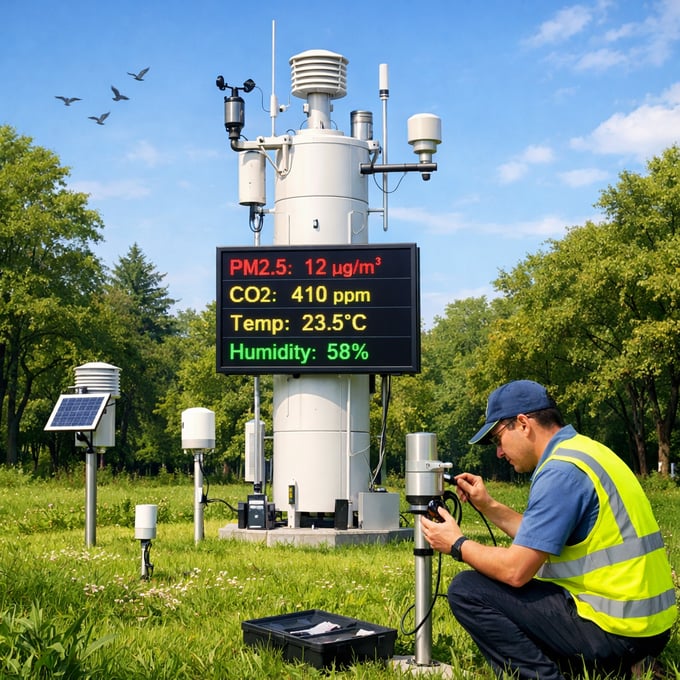
Environmental Monitoring Sensors: A Complete Guide to Modern Environmental Detection Systems


Environmental Monitoring Sensors: A Complete Guide to Modern Environmental Detection Systems
Environmental monitoring sensors have become indispensable tools in our quest to protect and preserve our planet's resources. As industries evolve and environmental regulations become stricter, these sophisticated devices serve as our first line of defense against pollution, contamination, and environmental degradation. This comprehensive guide explores the world of environmental monitoring sensors, their applications, and their crucial role in maintaining environmental compliance and safety.
Understanding Environmental Monitoring Sensors
Environmental monitoring sensors are sophisticated devices designed to detect, measure, and track various environmental parameters. These sensors transform physical or chemical properties into electrical signals that can be analyzed and interpreted. The data they provide is crucial for environmental protection, regulatory compliance, and informed decision-making.
| Sensor Type | Parameters Measured | Common Applications |
|---|---|---|
| Air Quality Sensors | PM2.5, PM10, CO2, VOCs | Urban monitoring, Industrial emissions |
| Water Quality Sensors | pH, turbidity, dissolved oxygen | Wastewater treatment, River monitoring |
| Soil Sensors | Moisture, nutrients, pH | Agriculture, Land management |
| Weather Sensors | Temperature, humidity, pressure | Climate monitoring, Weather forecasting |
Key Applications of Environmental Monitoring Sensors
Wastewater Treatment Monitoring
In wastewater treatment facilities, environmental monitoring sensors play a crucial role in maintaining optimal treatment processes. These sensors continuously monitor parameters such as:
- Dissolved oxygen levels for biological treatment efficiency
- pH levels for chemical treatment optimization
- Turbidity for water clarity assessment
- Flow rates for process control and capacity management
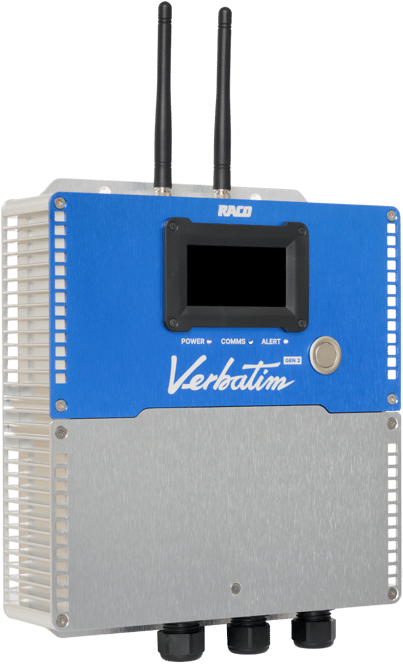
Advanced monitoring systems, like RACO's Catalyst™ and Guard-It™ systems, integrate these sensors with sophisticated alarm notification capabilities, ensuring immediate response to any parameter variations that could affect treatment efficiency.
Air Quality Monitoring
Environmental monitoring sensors are essential for tracking air quality in both indoor and outdoor environments. Modern air quality monitoring systems employ multiple sensor types to provide comprehensive data about:
- Particulate matter (PM2.5 and PM10)
- Volatile organic compounds (VOCs)
- Carbon dioxide (CO2) levels
- Nitrogen oxides (NOx)
These measurements are crucial for maintaining healthy air quality standards and ensuring compliance with environmental regulations.
Integration with Modern Technology
Today's environmental monitoring sensors leverage advanced technology for enhanced functionality:
IoT Connectivity
Internet of Things (IoT) integration allows environmental monitoring sensors to transmit data in real-time to central monitoring stations. This connectivity enables:
- Remote monitoring and control
- Automated data logging and analysis
- Immediate alarm notification for parameter violations
- Integration with existing SCADA systems
Data Analytics and Artificial Intelligence
Modern environmental monitoring systems incorporate advanced analytics capabilities that can:
- Predict potential environmental issues before they occur
- Identify patterns and trends in environmental data
- Optimize resource usage and treatment processes
- Generate comprehensive compliance reports
Choosing the Right Environmental Monitoring Sensors
Selecting appropriate environmental monitoring sensors requires careful consideration of several factors:
| Factor | Considerations |
|---|---|
| Accuracy Requirements | Regulatory compliance needs, precision levels required |
| Environmental Conditions | Temperature ranges, humidity levels, exposure to elements |
| Maintenance Needs | Calibration frequency, cleaning requirements, part replacement |
| Integration Capabilities | Compatibility with existing systems, communication protocols |
Best Practices for Environmental Monitoring Sensor Implementation
To maximize the effectiveness of environmental monitoring sensors:
- Regular Calibration: Maintain sensor accuracy through scheduled calibration checks and adjustments.
- Proper Placement: Install sensors in locations that provide representative samples of the monitored environment.
- Data Validation: Implement procedures to verify sensor readings and identify anomalies.
- Preventive Maintenance: Establish regular maintenance schedules to ensure continuous reliable operation.
Future Trends in Environmental Monitoring Sensors
The field of environmental monitoring sensors continues to evolve with emerging technologies:
- Miniaturization of sensor technology
- Enhanced wireless connectivity options
- Integration with blockchain for data security
- Advanced machine learning capabilities
Conclusion
Environmental monitoring sensors are essential tools for maintaining environmental quality and ensuring regulatory compliance. As technology continues to advance, these sensors become more sophisticated, accurate, and integrated with modern communication systems. Understanding their capabilities, applications, and proper implementation is crucial for environmental professionals and facility managers.
For more information about implementing effective environmental monitoring systems, contact RACO Manufacturing & Engineering. Our experts can help you design and implement a monitoring solution that meets your specific needs while ensuring regulatory compliance and operational efficiency.