

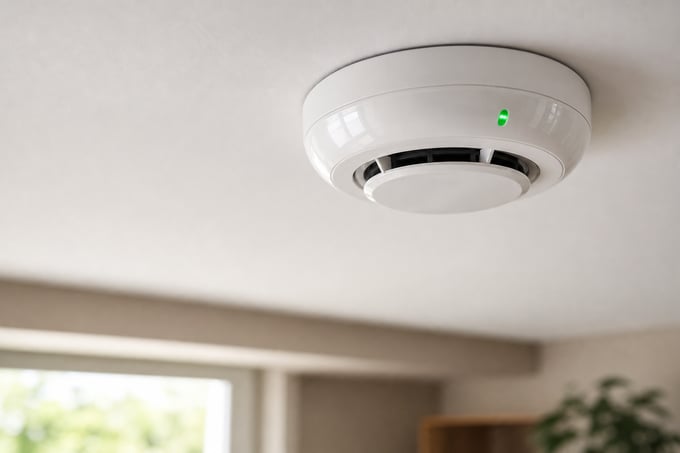


Fire Alarm Sensors: A Comprehensive Guide to Safety and Protection
When it comes to protecting lives and property, fire alarm sensors serve as the first line of defense in early fire detection. These crucial safety devices have evolved significantly from their humble beginnings as simple smoke detectors to become sophisticated components of modern building safety systems. Understanding how fire alarm sensors work, their various types, and proper implementation is essential for facility managers, safety professionals, and property owners.
Understanding Fire Alarm Sensors: The Basics
Fire alarm sensors are specialized devices designed to detect various indicators of fire, including smoke, heat, flames, and carbon monoxide. These sensors form the foundation of any fire protection system, continuously monitoring the environment for signs of danger and triggering alerts when potential fire hazards are detected.
How Fire Alarm Sensors Work
Fire alarm sensors operate through different detection methods, depending on their type. Most sensors contain sensitive electronic components that react to specific environmental changes. When these changes exceed predetermined thresholds, the sensor triggers an alarm signal that's transmitted to the fire alarm control panel.
| Detection Method | Environmental Change | Response Time |
|---|---|---|
| Photoelectric | Light scatter from smoke particles | 20-50 seconds |
| Ionization | Disruption of ionized air particles | 30-60 seconds |
| Heat Detection | Temperature rise or fixed temperature | Variable |
Types of Fire Alarm Sensors
1. Smoke Detectors
Smoke detectors are the most common type of fire alarm sensors. They come in two primary varieties:
Photoelectric Smoke Detectors: These sensors use light beams to detect smoke particles. When smoke enters the sensing chamber, it scatters the light beam, triggering the alarm. They're particularly effective at detecting smoldering fires.
Ionization Smoke Detectors: These devices contain a small amount of radioactive material that ionizes the air in the sensing chamber. When smoke particles enter, they disrupt the ionization, activating the alarm. They're more responsive to flaming fires.
2. Heat Detectors
Heat detectors respond to temperature changes and come in several configurations:
Fixed Temperature: Activates when the ambient temperature reaches a specific point
Rate-of-Rise: Triggers when temperature increases rapidly
Combination: Incorporates both fixed and rate-of-rise detection
3. Flame Detectors
Flame detectors are specialized sensors that monitor for specific wavelengths of light associated with flames. They're particularly useful in industrial settings where fast response times are crucial.
Advanced Features and Integration
Modern fire alarm sensors often include advanced features that enhance their effectiveness and reliability:
Smart Integration Capabilities
Today's fire alarm sensors can integrate with building management systems and emergency notification systems. This integration enables:
- Remote monitoring and management
- Automated emergency responses
- Real-time status updates
- Historical data analysis
Self-Diagnostic Functions
Advanced sensors perform regular self-diagnostics to ensure proper operation. These functions include:
Sensitivity Testing: Regular checks of detection thresholds
Component Monitoring: Continuous evaluation of sensor elements
Battery Status: Regular power supply verification
Installation and Placement Considerations
Proper installation and placement of fire alarm sensors is crucial for effective fire detection. Key considerations include:
Location Guidelines
| Area Type | Recommended Sensor Type | Special Considerations |
|---|---|---|
| Bedrooms | Photoelectric Smoke | Install outside sleeping areas |
| Kitchen | Heat or Multi-Sensor | Avoid false alarms from cooking |
| Industrial Spaces | Flame or Multi-Sensor | Consider environmental conditions |
Maintenance and Testing Requirements
Regular maintenance is essential for ensuring fire alarm sensors function properly when needed. A comprehensive maintenance program should include:
Monthly Tasks
- Visual inspection of sensors
- Testing of indicator lights
- Verification of power supplies
Annual Requirements
- Professional sensitivity testing
- Cleaning of sensor components
- Calibration checks
- Battery replacement (if applicable)
Regulatory Compliance and Standards
Fire alarm sensors must comply with various regulations and standards, including:
NFPA 72: National Fire Alarm and Signaling Code
UL 268: Standard for Smoke Detectors for Fire Alarm Systems
Local Building Codes: Specific requirements vary by jurisdiction
Future Trends in Fire Alarm Sensor Technology
The fire alarm sensor industry continues to evolve with new technologies and capabilities:
Artificial Intelligence Integration: Enhanced pattern recognition and reduced false alarms
IoT Connectivity: Improved communication and response capabilities
Environmental Adaptation: Sensors that automatically adjust to changing conditions
Conclusion
Fire alarm sensors are critical components of any comprehensive fire protection system. Understanding their types, proper installation, and maintenance requirements ensures optimal performance and safety. As technology continues to advance, these devices will become even more sophisticated and effective at protecting lives and property.
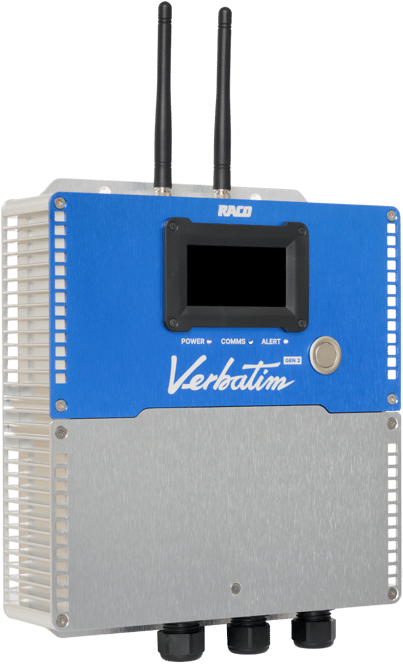
For expert guidance on fire alarm sensor selection and integration with your facility's monitoring systems, contact RACO Manufacturing & Engineering. Our specialists can help you design and implement a robust fire detection system that meets your specific needs.