

Float Level Sensors: The Complete Guide to Selection, Installation, and Maintenance


Float Level Sensors: The Complete Guide to Selection, Installation, and Maintenance
In the world of liquid level measurement, float level sensors remain one of the most reliable and cost-effective solutions for monitoring and controlling fluid levels. Whether you're managing a municipal water treatment facility, operating an industrial process, or maintaining a stormwater system, understanding float level sensors is crucial for effective operations.
What is a Float Level Sensor?
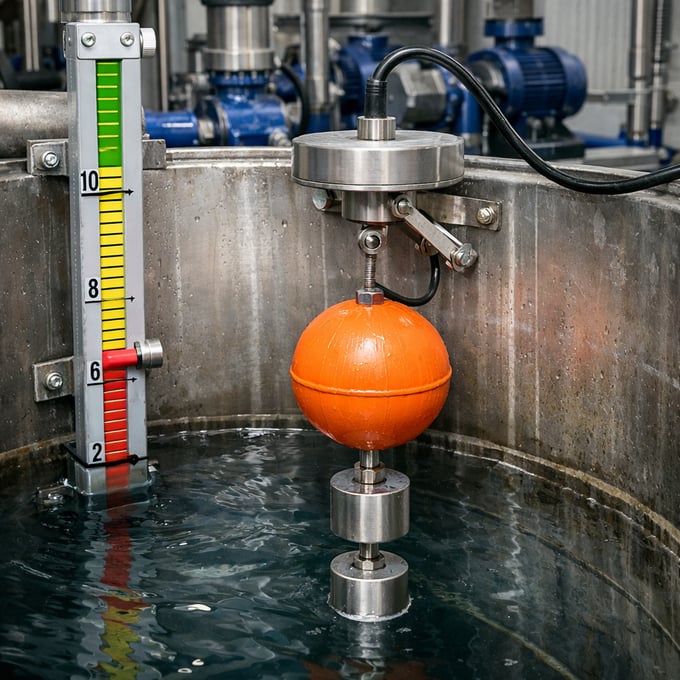
A float level sensor is a device that measures liquid levels using a buoyant mechanism that rides on the surface of the fluid. As the liquid level changes, the float moves up or down, triggering switches or sending signals to monitoring systems. These sensors are fundamental components in various applications, from simple sump pump controls to complex wastewater management systems.
Types of Float Level Sensors
1. Single-Point Float Switches
These basic float level sensors operate at a single point, typically to trigger an alarm or activate a pump. They're ideal for:
- High or low-level alarms - Pump activation/deactivation - Overflow prevention2. Multi-Point Float Sensors
These systems use multiple floats to monitor different levels within a tank or vessel, offering more sophisticated control options:
- Sequential pump control - Multiple alarm points - Level range monitoring3. Continuous Level Float Sensors
Using magnetostrictive or reed switch technology, these sensors provide continuous level measurement throughout their range. Benefits include:
- Real-time level monitoring - Precise measurement - Digital output capabilities| Float Sensor Type | Accuracy | Cost | Best Application |
|---|---|---|---|
| Single-Point | ±1 inch | Low | Simple on/off control |
| Multi-Point | ±0.5 inch | Medium | Stage control |
| Continuous | ±0.1 inch | High | Precise monitoring |
Key Applications for Float Level Sensors
Wastewater Treatment
In wastewater applications, float level sensors play a crucial role in:
- Lift station control - Wet well monitoring - Chemical dosing systems - Sludge level detectionIndustrial Processing
Manufacturing facilities rely on float level sensors for:
- Tank level monitoring - Process control - Safety overflow prevention - Material handlingMunicipal Water Systems
Cities and utilities use float level sensors for:
- Reservoir management - Distribution system monitoring - Pump station control - Stormwater managementSelection Criteria for Float Level Sensors
Environmental Considerations
When selecting a float level sensor, evaluate these environmental factors:
- Fluid type and characteristics - Temperature range - Pressure conditions - Chemical compatibility - Presence of solids or debrisTechnical Requirements
Consider these technical aspects:
- Required accuracy - Measurement range - Output signal type - Power requirements - Communication protocolsInstallation Requirements
Account for these installation factors:
- Mounting options - Cable length needs - Access for maintenance - Space constraints - Regulatory complianceInstallation Best Practices
Proper installation is crucial for optimal float level sensor performance. Follow these guidelines:
Mounting Considerations
- Install away from turbulent areas - Maintain proper clearance from tank walls - Use appropriate mounting brackets - Consider future maintenance access - Protect cables from damage
Calibration and Testing
- Verify switch points - Test alarm functions - Document setpoints - Perform regular function tests - Maintain calibration records
Maintenance and Troubleshooting
Regular maintenance ensures reliable operation:
Preventive Maintenance
- Clean floats regularly - Inspect cables for wear - Check mounting hardware - Verify switch operation - Document maintenance activities
Common Issues and Solutions
- Float sticking: Clean and check for debris - False readings: Verify mounting position - Switch failure: Check electrical connections - Cable damage: Inspect and replace as needed - Corrosion: Use appropriate materials
Integration with Control Systems
Modern float level sensors can integrate with various control systems:
SCADA Integration
- Real-time monitoring - Data logging - Trend analysis - Remote control capabilities - Alarm management
Smart Systems
- IoT connectivity - Cloud-based monitoring - Predictive maintenance - Mobile access - Advanced analytics
Safety Considerations
When working with float level sensors, consider these safety aspects:
- Electrical safety in wet environments - Hazardous area classifications - Personal protective equipment requirements - Emergency response procedures - Confined space entry protocolsConclusion
Float level sensors continue to be essential tools in liquid level measurement and control. Their reliability, cost-effectiveness, and versatility make them ideal for numerous applications. By understanding the types, selection criteria, and maintenance requirements, you can ensure optimal performance and longevity of your float level sensor system.
For expert guidance on selecting and implementing float level sensors in your application, contact RACO Manufacturing & Engineering. Our team of specialists can help you choose the right solution for your specific needs.