

Flow Rate Sensors: The Complete Guide to Selection, Installation, and Monitoring (2024)


Flow Rate Sensors: The Complete Guide to Selection, Installation, and Monitoring (2024)
In today's data-driven industrial landscape, accurate flow measurement is crucial for process control, efficiency, and regulatory compliance. Flow rate sensors serve as the cornerstone of modern flow monitoring systems, providing real-time data that helps facilities optimize operations, reduce costs, and prevent catastrophic failures. This comprehensive guide will explore everything you need to know about flow rate sensors, from basic principles to advanced applications.
Understanding Flow Rate Sensors: Basic Principles and Types
Flow rate sensors are sophisticated devices that measure the volume or mass of liquid, gas, or steam moving through a pipe or channel over a specific time period. These essential instruments come in various types, each designed for specific applications and operating conditions.
Common Types of Flow Rate Sensors
| Sensor Type | Operating Principle | Best Applications |
|---|---|---|
| Electromagnetic | Magnetic field measurement | Conductive liquids, wastewater |
| Ultrasonic | Sound wave transmission | Clean liquids, large pipes |
| Coriolis | Mass flow measurement | High-precision applications |
| Differential Pressure | Pressure difference | Gases, steam, liquids |
Selecting the Right Flow Rate Sensor for Your Application
Choosing the appropriate flow rate sensor requires careful consideration of several factors. The wrong selection can lead to inaccurate measurements, increased maintenance costs, and potential system failures.
Critical Selection Criteria
Consider these essential factors when selecting a flow rate sensor:
- Media Properties: Viscosity, temperature, and chemical composition
- Flow Range: Minimum and maximum flow rates
- Accuracy Requirements: Desired measurement precision
- Installation Conditions: Available straight pipe runs, space constraints
- Environmental Factors: Temperature, humidity, vibration
Installation Best Practices for Flow Rate Sensors
Proper installation is crucial for optimal flow rate sensor performance. Even the most accurate sensor will provide unreliable data if installed incorrectly.
Installation Guidelines
Follow these key installation principles:
- Ensure sufficient straight pipe runs upstream and downstream
- Mount sensors away from pumps and valves
- Consider orientation requirements
- Implement proper grounding and shielding
- Provide adequate support to prevent vibration
Remote Monitoring and Data Collection
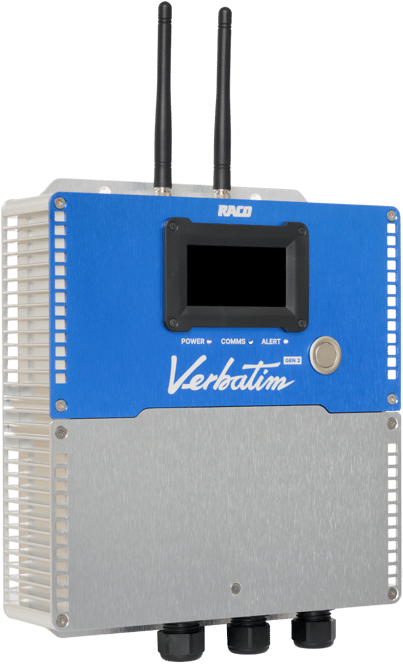
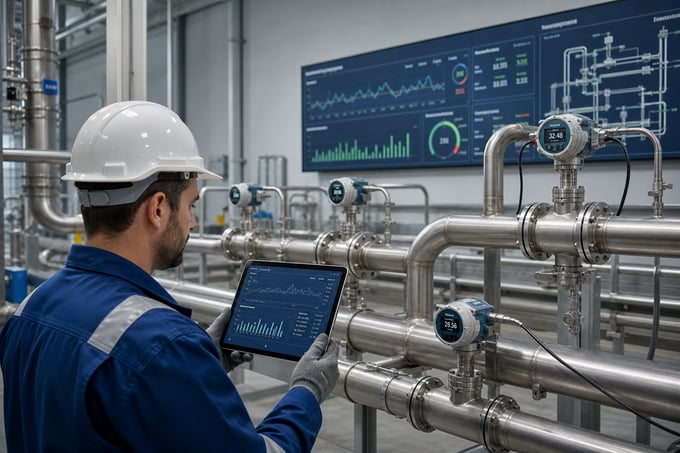
Modern flow rate sensors often integrate with advanced monitoring systems, enabling real-time data collection and analysis. RACO Manufacturing's Catalyst® and Guard-It® systems provide comprehensive remote monitoring solutions that can transform flow rate data into actionable insights.
Benefits of Remote Flow Monitoring
| Benefit | Impact |
|---|---|
| Real-time Alerts | Immediate notification of flow anomalies |
| Data Logging | Historical trend analysis and reporting |
| Remote Access | Monitor flow rates from anywhere |
| Predictive Maintenance | Identify potential issues before failure |
Maintenance and Calibration Requirements
Regular maintenance and calibration ensure continued accuracy and reliability of flow rate sensors. Establish a comprehensive maintenance program that includes:
- Regular calibration checks
- Cleaning and inspection schedules
- Performance verification procedures
- Documentation of maintenance activities
Common Applications and Industry Solutions
Flow rate sensors play crucial roles across various industries:
Wastewater Treatment
Monitor influent and effluent flows, chemical dosing, and process control. Integration with RACO's alarm monitoring systems ensures immediate notification of flow irregularities.
Industrial Processing
Track material movement, ensure product quality, and optimize production efficiency.
Municipal Water Systems
Monitor distribution networks, detect leaks, and manage water conservation efforts.
Troubleshooting Common Flow Rate Sensor Issues
Understanding common problems and their solutions can help maintain optimal sensor performance:
| Issue | Possible Causes | Solutions |
|---|---|---|
| Erratic Readings | Air entrainment, vibration | Check installation, verify pipe full |
| Zero Drift | Calibration error, coating | Recalibrate, clean sensor |
| Signal Loss | Wiring issues, power problems | Check connections, verify power |
Future Trends in Flow Rate Sensor Technology
The flow measurement industry continues to evolve with new technologies and capabilities:
- Smart sensors with self-diagnostics
- Wireless communication options
- Enhanced digital integration capabilities
- Improved accuracy and reliability
Conclusion
Flow rate sensors are essential tools for modern industrial processes. Selecting the right sensor, implementing proper installation practices, and maintaining regular calibration ensures optimal performance and reliability. When combined with advanced monitoring systems like RACO's solutions, these sensors provide the data necessary for efficient operations and regulatory compliance.
For more information about integrating flow rate sensors with remote monitoring systems, contact RACO Manufacturing's expert team or visit our website to explore our comprehensive monitoring solutions.