

Freezer Monitor Systems: The Complete Guide to Temperature Monitoring & Compliance


Freezer Monitor Systems: The Complete Guide to Temperature Monitoring & Compliance
When thousands of dollars worth of temperature-sensitive materials are at stake, reliable freezer monitoring isn't just a convenience—it's a necessity. Whether you're managing a pharmaceutical storage facility, food processing plant, or research laboratory, understanding and implementing proper freezer monitoring systems can mean the difference between maintaining valuable inventory and facing catastrophic losses.
Understanding Freezer Monitoring Systems
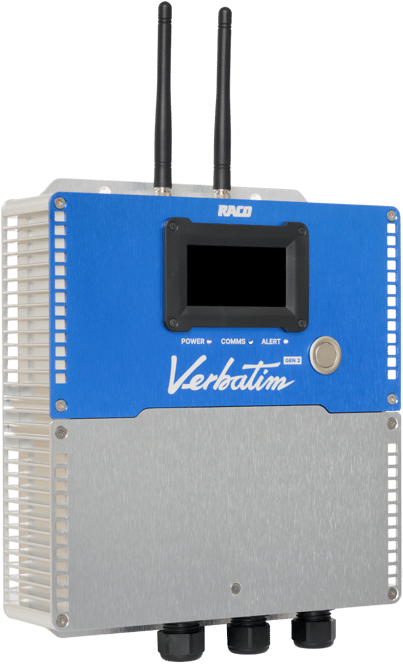
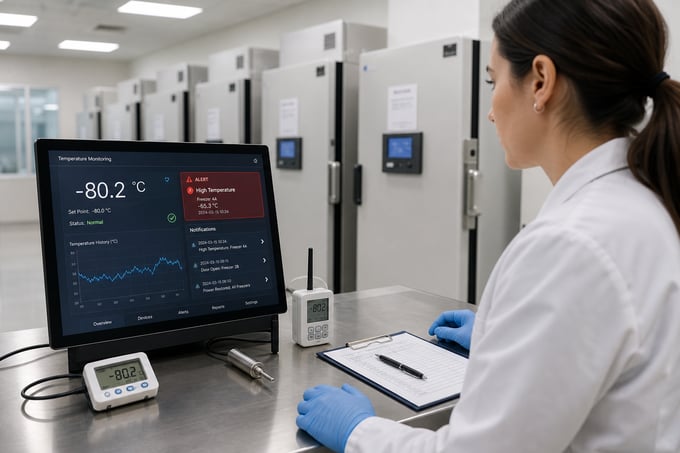
A freezer monitor is an automated system designed to continuously track and record temperature variations in freezers and cold storage units. These sophisticated devices do far more than simply display current temperatures—they provide real-time alerts, historical data logging, and compliance documentation essential for regulated industries.
Key Components of a Freezer Monitoring System
Modern freezer monitoring solutions typically include:
| Component | Function |
|---|---|
| Temperature Sensors | High-precision probes that measure temperature at regular intervals |
| Data Logger | Records and stores temperature readings over time |
| Alert System | Sends notifications when temperatures exceed preset thresholds |
| Communication Module | Transmits data to central monitoring stations or cloud platforms |
| Power Backup | Ensures continuous monitoring during power outages |
Benefits of Automated Freezer Monitoring
Implementing an automated freezer monitoring system offers numerous advantages over manual temperature checks:
1. Continuous Monitoring
Unlike manual checks that provide intermittent snapshots, automated systems monitor temperatures 24/7, ensuring no critical variations go unnoticed. This constant vigilance is particularly crucial during off-hours and weekends when staff isn't present.
2. Immediate Alert Notification
When temperature excursions occur, every minute counts. Advanced monitoring systems like RACO's Catalyst can instantly notify designated personnel through multiple channels, including phone calls, text messages, and emails. This rapid response capability can prevent inventory loss and maintain regulatory compliance.
3. Comprehensive Data Logging
Automated systems maintain detailed temperature records, which are essential for:
- Regulatory compliance documentation - Quality assurance programs - Equipment maintenance planning - Energy efficiency analysisCritical Applications for Freezer Monitoring
Different industries have unique requirements for temperature monitoring:
Healthcare and Pharmaceuticals
In medical facilities, proper storage of vaccines, medications, and biological samples is crucial. The CDC estimates that vaccine storage and handling errors cost facilities an average of $20,000 per incident.
Food Service and Processing
Food safety regulations require strict temperature control and documentation. Modern freezer monitors help maintain HACCP compliance and prevent foodborne illness outbreaks.
Research Laboratories
Scientific specimens and research materials often represent years of work and significant investment. Reliable temperature monitoring protects these irreplaceable assets.
Selecting the Right Freezer Monitor System
When choosing a freezer monitoring solution, consider these essential factors:
Temperature Range and Accuracy
Ensure the system can accurately measure and record temperatures within your required range. Ultra-low temperature freezers, for example, may require specialized sensors capable of monitoring temperatures down to -86°C.
Communication Capabilities
Modern systems should offer multiple communication options:
- Cellular connectivity - Ethernet networking - Wi-Fi compatibility - Radio frequency transmissionScalability
Choose a system that can grow with your needs. RACO's monitoring solutions can be expanded to monitor multiple units across different locations while maintaining centralized control.
Best Practices for Freezer Monitoring
To maximize the effectiveness of your freezer monitoring system:
1. Regular Calibration
Ensure sensors are calibrated according to manufacturer specifications and regulatory requirements. Document all calibration activities for compliance purposes.
2. Backup Power Systems
Install uninterruptible power supplies (UPS) to maintain monitoring during power outages. This is particularly crucial for facilities storing high-value or sensitive materials.
3. Staff Training
Properly train personnel on:
- System operation and maintenance - Alert response procedures - Documentation requirements - Troubleshooting protocolsRegulatory Compliance and Documentation
Different industries face various regulatory requirements:
| Industry | Key Regulations |
|---|---|
| Pharmaceuticals | FDA 21 CFR Part 11, GMP guidelines |
| Food Service | HACCP, FDA Food Code |
| Healthcare | Joint Commission standards, CDC guidelines |
The Future of Freezer Monitoring
Emerging trends in freezer monitoring technology include:
- AI-powered predictive maintenance - Cloud-based data analytics - Integration with building management systems - Enhanced cybersecurity featuresConclusion
Investing in a reliable freezer monitor system is essential for protecting valuable temperature-sensitive materials and maintaining regulatory compliance. Modern solutions like those offered by RACO Manufacturing & Engineering combine advanced technology with user-friendly interfaces to provide comprehensive temperature monitoring and alerting capabilities.
For more information about implementing an effective freezer monitoring system, contact RACO's expert team or explore our complete line of monitoring solutions.