


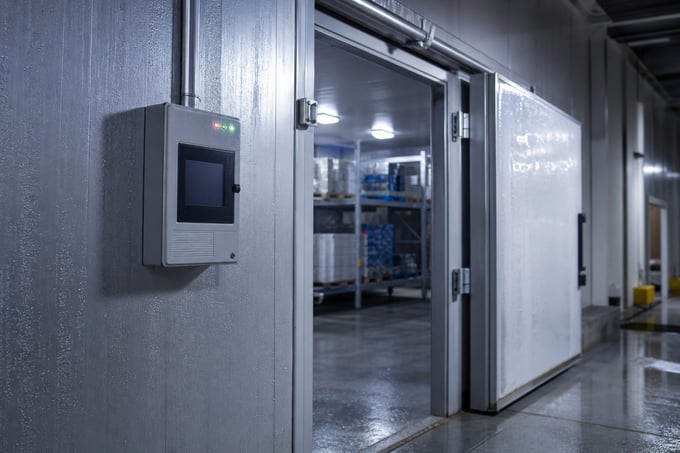
Freezer Temperature Alarm Systems: The Ultimate Guide to Protecting Temperature-Sensitive Assets


Freezer Temperature Alarm Systems: The Ultimate Guide to Protecting Temperature-Sensitive Assets
When it comes to protecting temperature-sensitive assets, a reliable freezer temperature alarm system isn't just a luxury—it's an absolute necessity. Whether you're managing a pharmaceutical storage facility, food processing plant, or laboratory environment, the consequences of undetected temperature fluctuations can be devastating, potentially resulting in thousands or even millions of dollars in lost inventory.
Understanding the Critical Role of Freezer Temperature Alarms
Freezer temperature alarms serve as vigilant guardians for your cold storage operations, continuously monitoring temperature conditions and alerting personnel when readings fall outside acceptable ranges. These sophisticated monitoring systems provide real-time notifications, helping organizations maintain product integrity, comply with regulatory requirements, and prevent costly inventory losses.
Key Components of an Effective Freezer Temperature Alarm System
A comprehensive freezer temperature monitoring solution consists of several essential components working in harmony:
| Component | Function |
|---|---|
| Temperature Sensors | High-precision probes that continuously measure ambient temperature |
| Control Unit | Central processing system that analyzes temperature data |
| Alert System | Notification mechanism that triggers when temperatures exceed thresholds |
| Data Logger | Records temperature history for compliance and analysis |
Advanced Features of Modern Freezer Temperature Alarms
Today's freezer temperature alarm systems incorporate sophisticated features that enhance their effectiveness and reliability:
Remote Monitoring Capabilities
Modern systems enable personnel to monitor freezer temperatures from anywhere using mobile devices or computers. This functionality is particularly crucial for facilities operating 24/7 or during unstaffed hours.
Multi-Channel Communications
Advanced alarm systems utilize various communication methods to ensure alerts reach the right people:
- SMS text messages - Email notifications - Voice calls - Mobile app push notifications - Integration with existing facility management systemsIndustry Applications and Requirements
Different industries have specific requirements for freezer temperature monitoring:
Healthcare and Pharmaceuticals
Medical facilities must maintain strict temperature control for vaccines, medications, and biological samples. FDA regulations require continuous monitoring and documentation of storage conditions.
Food Service and Processing
HACCP compliance demands reliable temperature monitoring to prevent foodborne illness and ensure product quality. Commercial kitchens, restaurants, and food processing facilities rely on freezer temperature alarms to maintain food safety standards.
Research and Laboratory Facilities
Scientific specimens and research materials often require precise temperature control. Even minor fluctuations can compromise experimental results or destroy valuable samples.
Selecting the Right Freezer Temperature Alarm System
When choosing a freezer temperature alarm system, consider these crucial factors:
| Factor | Considerations |
|---|---|
| Accuracy Requirements | Temperature measurement precision needed for your application |
| Monitoring Range | Number of freezer units and temperature points to monitor |
| Alert Configuration | Customization options for notification thresholds and recipients |
| Compliance Requirements | Industry-specific regulations and documentation needs |
Implementation Best Practices
To maximize the effectiveness of your freezer temperature alarm system:
Sensor Placement
Properly position temperature sensors to accurately reflect storage conditions. Consider factors such as air flow patterns and door locations when determining optimal sensor placement.
Alert Threshold Configuration
Set appropriate temperature thresholds based on stored products' requirements. Include buffer zones to allow for normal operational fluctuations while ensuring timely alerts for genuine issues.
Staff Training
Ensure all relevant personnel understand system operation, alert response procedures, and maintenance requirements. Regular training updates help maintain system effectiveness.
The Role of Industrial Automation in Temperature Monitoring
Industrial automation systems, such as those provided by RACO Manufacturing & Engineering, enhance freezer temperature monitoring capabilities through:
- Integration with existing SCADA systems - Advanced data analytics and trending - Automated reporting capabilities - Predictive maintenance featuresMaintenance and Calibration
Regular system maintenance ensures reliable operation:
Routine Checks
Perform regular system tests and sensor calibration verification to maintain accuracy. Document all maintenance activities for compliance purposes.
Backup Systems
Implement redundant monitoring capabilities to ensure continuous protection during maintenance or system updates.
Conclusion
A reliable freezer temperature alarm system is essential for protecting valuable temperature-sensitive assets. By understanding system components, features, and implementation best practices, organizations can select and maintain an effective monitoring solution that meets their specific needs.
For expert guidance on implementing industrial-grade temperature monitoring solutions, contact RACO Manufacturing & Engineering. Our team specializes in designing and implementing robust alarm systems that protect your critical assets and ensure regulatory compliance.


