


Freezer Temperature Sensors: The Complete Guide to Reliable Cold Storage Monitoring


Freezer Temperature Sensors: The Complete Guide to Reliable Cold Storage Monitoring
Maintaining precise temperature control in freezers is critical across numerous industries, from food service and pharmaceuticals to laboratory research and industrial applications. A reliable freezer temperature sensor serves as the foundation of any effective cold storage monitoring system. This comprehensive guide will explore everything you need to know about freezer temperature sensors, their applications, and how to implement them effectively in your operations.
Understanding Freezer Temperature Sensors
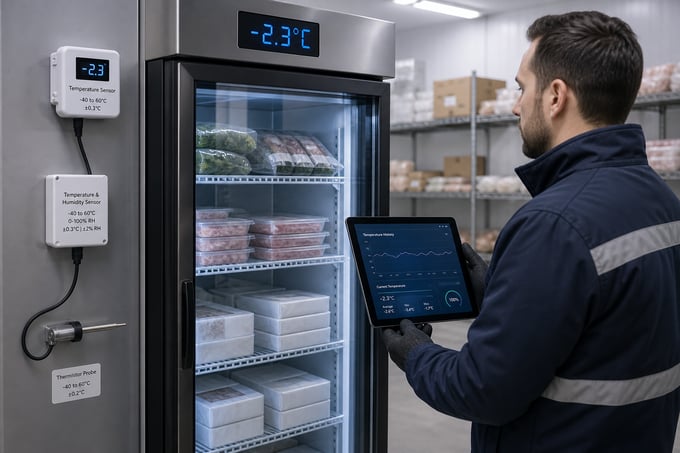
Freezer temperature sensors are specialized devices designed to continuously monitor and record temperature variations within cold storage units. These essential components help maintain product integrity, ensure compliance with regulatory requirements, and prevent costly inventory losses. Modern sensors can provide real-time data, automated alerts, and detailed logging capabilities for comprehensive temperature management.
Types of Freezer Temperature Sensors
Several types of temperature sensors are commonly used in freezer monitoring applications:
| Sensor Type | Advantages | Best Applications |
|---|---|---|
| Thermistors | High accuracy, fast response time, cost-effective | Commercial freezers, residential units |
| RTD (Resistance Temperature Detectors) | Excellent stability, high precision | Industrial freezers, pharmaceutical storage |
| Thermocouples | Wide temperature range, durability | Ultra-low temperature freezers, industrial processes |
| Digital Sensors | Easy integration, wireless capabilities | Smart freezer systems, IoT applications |
Key Features of Modern Freezer Temperature Sensors
Today's freezer temperature sensors incorporate advanced features that enhance their functionality and reliability:
Remote Monitoring Capabilities
Modern sensors can connect to monitoring systems that enable remote temperature tracking and control. This functionality allows facility managers to monitor freezer conditions from anywhere, receiving instant notifications when temperatures deviate from acceptable ranges. RACO's Catalyst monitoring system exemplifies this capability, offering comprehensive remote monitoring solutions for critical equipment.
Data Logging and Analytics
Advanced temperature sensors include built-in data logging capabilities, recording temperature readings at predetermined intervals. This historical data proves invaluable for:
- Regulatory compliance documentation
- Quality assurance programs
- Energy efficiency analysis
- Preventive maintenance planning
Implementation Best Practices
Proper implementation of freezer temperature sensors is crucial for optimal performance and reliable monitoring:
Sensor Placement
Strategic sensor placement ensures accurate temperature readings throughout the storage space. Consider these factors:
| Location | Consideration | Impact |
|---|---|---|
| Center of Unit | Primary monitoring point | Provides baseline temperature reading |
| Near Door | Temperature fluctuation monitoring | Detects impact of door openings |
| Upper Shelves | Warm air rising | Identifies temperature stratification |
| Lower Shelves | Cold air settling | Monitors coldest areas |
Integration with Alarm Systems
Connecting freezer temperature sensors to automated alarm systems provides crucial protection for temperature-sensitive inventory. RACO's alarm monitoring solutions offer:
- 24/7 temperature monitoring
- Customizable alert thresholds
- Multiple notification methods (voice, text, email)
- Escalation protocols for unacknowledged alarms
Maintenance and Calibration
Regular maintenance and calibration of freezer temperature sensors ensure continued accuracy and reliability:
Calibration Schedule
Implement a regular calibration schedule based on:
- Manufacturer recommendations
- Regulatory requirements
- Usage conditions
- Critical nature of stored materials
Regulatory Compliance and Documentation
Many industries must comply with specific temperature monitoring regulations. Proper documentation through automated systems helps maintain compliance with:
- FDA requirements
- USDA guidelines
- HACCP protocols
- ISO standards
Choosing the Right Freezer Temperature Sensor System
When selecting a freezer temperature monitoring solution, consider these factors:
| Factor | Considerations |
|---|---|
| Temperature Range | Must match application requirements |
| Accuracy Requirements | Industry standards and product needs |
| Monitoring Frequency | How often readings are needed |
| Integration Capabilities | Compatibility with existing systems |
| Alert Features | Types of notifications needed |
Future Trends in Freezer Temperature Monitoring
The field of temperature monitoring continues to evolve with emerging technologies:
- AI-powered predictive maintenance
- Enhanced IoT integration
- Blockchain-based temperature tracking
- Advanced analytics capabilities
Conclusion
Implementing reliable freezer temperature sensors is crucial for maintaining product quality and ensuring regulatory compliance. By understanding the various types of sensors available, following best practices for implementation, and choosing the right monitoring system, organizations can protect their temperature-sensitive inventory effectively.
For expert guidance on implementing comprehensive temperature monitoring solutions, contact RACO Manufacturing & Engineering. Our team can help you design and deploy a system that meets your specific needs while ensuring reliable operation and regulatory compliance.


