

Greenhouse Climate Control Systems: The Complete Guide to Optimal Growing Environments


Greenhouse Climate Control Systems: The Complete Guide to Optimal Growing Environments
Creating the perfect growing environment in a greenhouse requires precise control over multiple environmental factors. Modern greenhouse climate control systems have revolutionized how growers manage their operations, leading to increased yields, better crop quality, and more efficient resource utilization. This comprehensive guide explores everything you need to know about these essential systems and how they're transforming commercial greenhouse operations.
Understanding Greenhouse Climate Control Systems
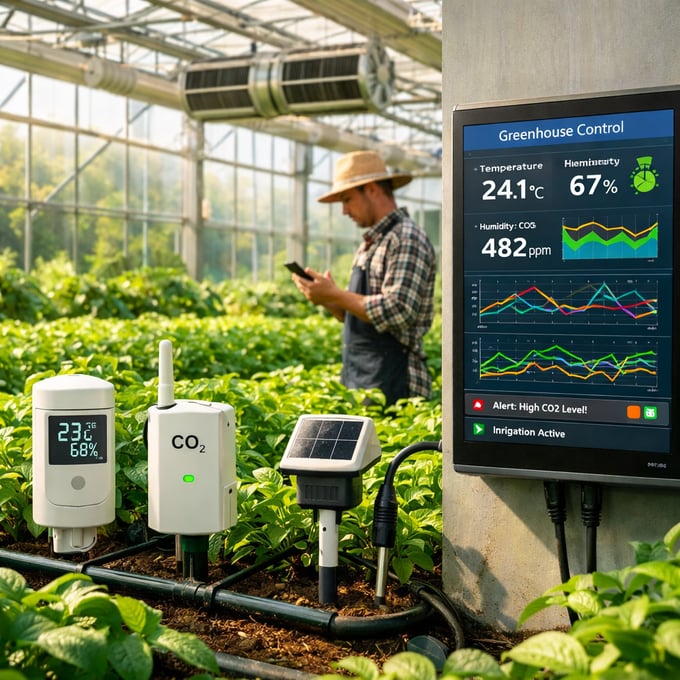
A greenhouse climate control system is an integrated network of sensors, controllers, and equipment that work together to maintain optimal growing conditions. These systems monitor and adjust various environmental parameters, including:
- Temperature management
- Humidity control
- Ventilation and air circulation
- CO2 levels
- Light intensity and duration
- Irrigation and fertigation
Key Components of Modern Greenhouse Climate Control Systems
Understanding the essential components of these systems helps growers make informed decisions about their greenhouse automation needs:
1. Environmental Sensors
High-precision sensors form the backbone of any climate control system, providing real-time data about:
| Sensor Type | Function | Typical Placement |
|---|---|---|
| Temperature Sensors | Monitor air and soil temperature | Multiple heights and zones |
| Humidity Sensors | Measure relative humidity | Plant level and upper canopy |
| Light Sensors | Monitor PAR and light intensity | Above crop canopy |
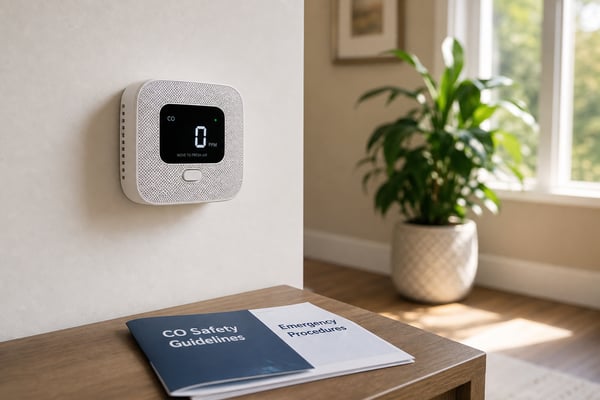
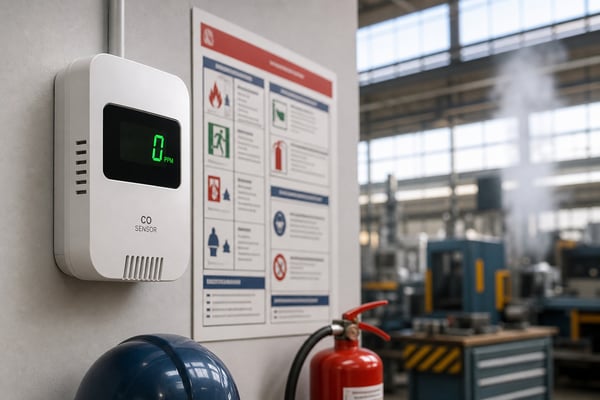
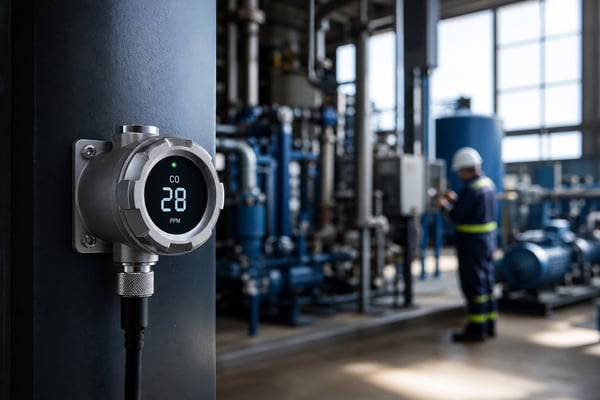
| CO2 Sensors | Monitor carbon dioxide levels | Plant level |
2. Control Units
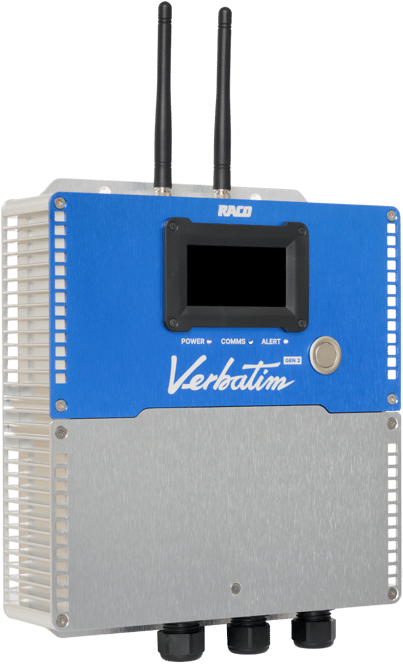
The central control unit processes data from sensors and manages equipment responses. Modern systems typically feature:
- Touch-screen interfaces
- Remote access capabilities
- Data logging and analysis tools
- Automated alert systems
Advanced Features of Climate Control Systems
Remote Monitoring and Control
Modern greenhouse climate control systems incorporate remote monitoring capabilities that allow growers to:
- Access real-time environmental data from anywhere
- Receive instant alerts about system anomalies
- Make immediate adjustments to environmental parameters
- Track historical data and trends
Integration with Alarm Systems
Critical alarm integration ensures rapid response to environmental conditions that could damage crops. Key features include:
- 24/7 monitoring of critical parameters
- Customizable alarm thresholds
- Multiple notification methods (SMS, email, voice calls)
- Escalation protocols for unacknowledged alarms
Benefits of Implementing Climate Control Systems
Operational Efficiency
Advanced climate control systems deliver significant operational benefits:
| Benefit | Impact |
|---|---|
| Energy Savings | 15-30% reduction in energy costs |
| Labor Efficiency | Reduced manual monitoring needs |
| Resource Optimization | Precise control of water and nutrients |
| Yield Improvement | 10-25% increase in crop yields |
Best Practices for System Implementation
Successfully implementing a greenhouse climate control system requires careful planning and consideration of several factors:
1. System Design and Planning
Consider these crucial elements during the planning phase:
- Greenhouse size and layout
- Crop requirements
- Local climate conditions
- Budget constraints
- Future expansion plans
2. Installation and Configuration
Proper installation ensures optimal system performance:
- Professional sensor placement and calibration
- Proper equipment integration
- Staff training and documentation
- Testing and verification procedures
Maintenance and Troubleshooting
Regular maintenance is crucial for system reliability:
Preventive Maintenance Schedule
| Component | Maintenance Frequency | Key Tasks |
|---|---|---|
| Sensors | Monthly | Calibration and cleaning |
| Controllers | Quarterly | Software updates, system checks |
| Equipment | Bi-annual | Physical inspection, repairs |
Future Trends in Greenhouse Climate Control
The industry continues to evolve with emerging technologies:
- AI-driven climate optimization
- Machine learning for predictive maintenance
- Integration with vertical farming systems
- Enhanced energy management capabilities
Conclusion
Greenhouse climate control systems represent a crucial investment for modern growing operations. By implementing these systems with careful planning and proper maintenance, growers can achieve optimal growing conditions, improve resource efficiency, and maximize crop yields. As technology continues to advance, these systems will become even more sophisticated, offering greater control and automation capabilities.
Recommended Internal Links:
- Agricultural automation systems
- Remote monitoring solutions
- Industrial alarm systems
- Environmental monitoring equipment
- Wireless sensor networks