

Greenhouse Humidity Control: A Complete Guide to Optimal Plant Environment Management


Greenhouse Humidity Control: A Complete Guide to Optimal Plant Environment Management
Managing greenhouse humidity levels is crucial for maintaining healthy plant growth and preventing costly crop losses. As experts in environmental monitoring and control systems, we understand that proper humidity control can mean the difference between thriving crops and devastating fungal outbreaks. This comprehensive guide will explore everything you need to know about greenhouse humidity control, from understanding basic principles to implementing advanced automation solutions.
Understanding Greenhouse Humidity Fundamentals
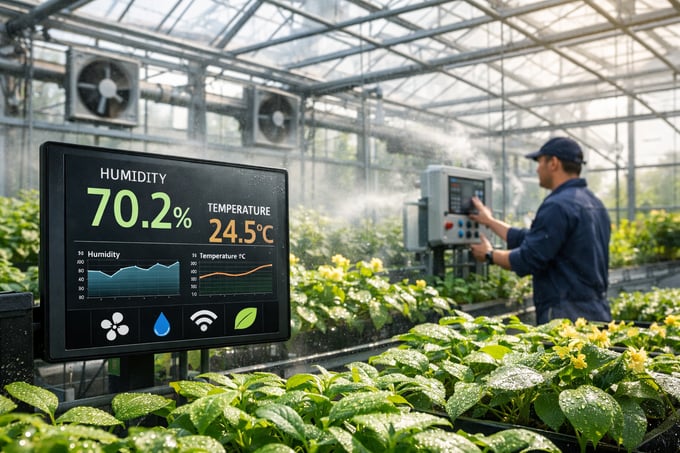
Relative humidity (RH) in greenhouses directly impacts plant growth, disease resistance, and overall crop yield. The ideal greenhouse humidity level typically ranges between 50% and 70%, depending on the crop type and growth stage. However, maintaining these optimal levels requires a deep understanding of how humidity affects plant health.
Why Humidity Control Matters
Proper humidity control affects several critical aspects of plant growth:
| Factor | Impact of Proper Humidity Control |
|---|---|
| Transpiration | Enables efficient water and nutrient uptake |
| Disease Prevention | Reduces risk of fungal and bacterial growth |
| Photosynthesis | Optimizes CO2 absorption through open stomata |
| Plant Stress | Minimizes environmental stress on plants |
Common Challenges in Greenhouse Humidity Management
Greenhouse operators face several challenges when managing humidity levels:
1. Seasonal Variations
Different seasons bring unique humidity control challenges. Summer months often require dehumidification, while winter months may need humidification to maintain optimal levels.
2. Daily Fluctuations
Temperature changes between day and night create natural humidity fluctuations that must be managed effectively.
3. Plant Density Impact
Higher plant density increases transpiration rates, requiring more precise humidity control measures.
Essential Components of an Effective Humidity Control System
A comprehensive greenhouse humidity control system typically includes:
Monitoring Equipment
Advanced sensors and monitoring devices are crucial for maintaining optimal humidity levels. Modern systems utilize:
- Digital humidity sensors with ±2% accuracy
- Temperature probes for integrated climate control
- Data logging capabilities for trend analysis
Control Systems
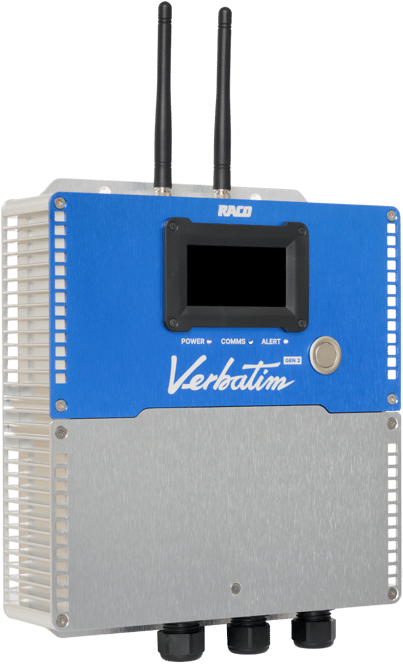
Automated control systems, such as RACO's Catalyst™ and Guard-It™ monitoring solutions, provide:
- Real-time humidity monitoring and adjustment
- Remote access capabilities
- Automated alarm notifications
- Historical data tracking and analysis
Implementing Effective Humidity Control Strategies
Ventilation Management
Proper ventilation is crucial for humidity control. Consider these key aspects:
| Ventilation Type | Best Use Case | Effectiveness |
|---|---|---|
| Natural Ventilation | Small greenhouses, mild climates | Moderate |
| Mechanical Ventilation | Large operations, precise control needed | High |
| Combined Systems | Maximum flexibility and control | Very High |
Advanced Control Methods
Modern greenhouse operations benefit from sophisticated control methods:
1. Automated Climate Control Systems
Integration of humidity control with temperature and ventilation management through smart systems provides optimal growing conditions while minimizing energy costs.
2. Remote Monitoring and Control
SCADA-based systems enable operators to monitor and adjust humidity levels from anywhere, ensuring rapid response to environmental changes.
Best Practices for Greenhouse Humidity Control
Follow these essential practices for optimal humidity management:
Regular Maintenance
Maintain equipment effectiveness through:
- Weekly sensor calibration checks
- Monthly ventilation system inspection
- Quarterly complete system evaluation
Data-Driven Decision Making
Utilize monitoring data to:
- Identify patterns in humidity fluctuations
- Optimize control strategies
- Predict and prevent potential issues
The Role of Automation in Humidity Control
Automation systems play a crucial role in modern greenhouse operations. RACO's automation solutions provide:
- 24/7 monitoring and control capabilities
- Immediate alert notifications for out-of-range conditions
- Integration with existing greenhouse management systems
- Detailed reporting and analysis tools
Conclusion
Effective greenhouse humidity control requires a combination of proper equipment, monitoring systems, and management strategies. By implementing the right combination of tools and following best practices, greenhouse operators can maintain optimal growing conditions while minimizing operational costs and crop losses.
For more information about implementing automated humidity control systems in your greenhouse operation, contact RACO's expert team or explore our range of monitoring and control solutions.
Related Keywords for Internal Linking:
- greenhouse automation systems
- environmental monitoring solutions
- SCADA systems for agriculture
- remote monitoring systems
- agricultural alarm systems