

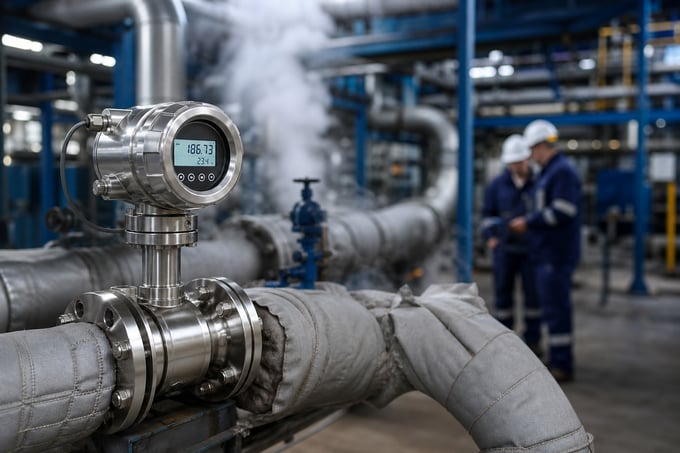
High Temperature Flow Meter Guide: Selection, Applications, and Best Practices for Extreme Process Conditions


High Temperature Flow Meter Guide: Selection, Applications, and Best Practices for Extreme Process Conditions
When measuring flow in extreme temperature environments, selecting the right high temperature flow meter becomes crucial for maintaining process efficiency and safety. Whether you're dealing with superheated steam, molten metals, or high-temperature chemical processes, understanding the capabilities and limitations of different flow meter technologies can mean the difference between reliable measurements and costly failures.
Understanding High Temperature Flow Meters
High temperature flow meters are specialized instruments designed to measure fluid flow in environments where temperatures exceed 200°F (93°C). These robust devices incorporate special materials and design features to maintain accuracy and reliability under extreme conditions that would quickly destroy standard flow meters.
Key Features of High Temperature Flow Meters
Modern high temperature flow meters incorporate several critical design elements:
- High-grade materials like 316 stainless steel, Hastelloy, or ceramic components
- Special high-temperature seals and gaskets
- Temperature-compensated electronics
- Remote electronics options for extreme environments
- Specialized calibration for high-temperature applications
Types of High Temperature Flow Meters
| Flow Meter Type | Maximum Temperature | Best Applications |
|---|---|---|
| Vortex | Up to 800°F (427°C) | Steam, hot gases, high-temperature liquids |
| Magnetic | Up to 350°F (177°C) | Conductive liquids, slurries |
| Coriolis | Up to 662°F (350°C) | Mass flow measurement, high-accuracy applications |
| Thermal | Up to 1000°F (538°C) | Gas flow, low flow rates |
Applications for High Temperature Flow Meters
High temperature flow meters find extensive use across various industries:
Industrial Processing
In industrial settings, these meters monitor and control critical processes involving:
- Superheated steam systems
- Heat transfer fluids
- High-temperature chemical processes
- Furnace and kiln operations
Power Generation
Power plants rely on high temperature flow meters for:
- Boiler feed water monitoring
- Steam flow measurement
- Turbine efficiency monitoring
- Heat rate calculations
Selection Criteria for High Temperature Flow Meters
Choosing the right high temperature flow meter requires careful consideration of several factors:
Process Parameters
Consider these critical parameters:
- Maximum process temperature
- Flow rate range
- Pressure conditions
- Fluid properties
- Required accuracy
Installation Requirements
Evaluate the following installation factors:
- Available straight pipe run
- Mounting orientation options
- Space for remote electronics
- Environmental conditions
Best Practices for High Temperature Flow Meter Installation
Proper installation ensures optimal performance and longevity:
Thermal Management
Implement these thermal management strategies:
- Use insulation to protect electronics
- Install heat-dissipating fins where appropriate
- Consider remote mounting options for electronics
- Maintain adequate ventilation around the meter
Maintenance Considerations
Regular maintenance ensures reliable operation:
- Schedule periodic calibration checks
- Inspect seals and gaskets regularly
- Monitor for signs of thermal stress
- Keep detailed maintenance records
Advanced Features and Integration
Modern high temperature flow meters often include advanced capabilities:
Digital Communication
Integration options include:
- HART protocol support
- Modbus compatibility
- Ethernet/IP connectivity
- Wireless monitoring capabilities
Troubleshooting Common Issues
Understanding common problems helps maintain optimal performance:
| Issue | Possible Cause | Solution |
|---|---|---|
| Erratic Readings | Thermal cycling | Check installation, verify thermal management |
| Drift in Measurements | Calibration shift | Recalibrate, check process conditions |
| Communication Failures | Electronics overheating | Verify cooling, consider remote mounting |
Future Trends in High Temperature Flow Measurement
The field continues to evolve with new developments:
- Advanced materials for higher temperature tolerance
- Improved digital diagnostics
- Enhanced wireless capabilities
- Integration with IIoT platforms
Conclusion
Selecting and implementing the right high temperature flow meter requires careful consideration of process conditions, installation requirements, and maintenance needs. By understanding the available technologies and following best practices for selection and installation, organizations can ensure reliable flow measurement in even the most challenging high-temperature applications.
For expert guidance on selecting and implementing high temperature flow meters for your specific application, contact RACO Manufacturing & Engineering. Our team of flow measurement specialists can help you choose the right solution for your high-temperature process needs.