


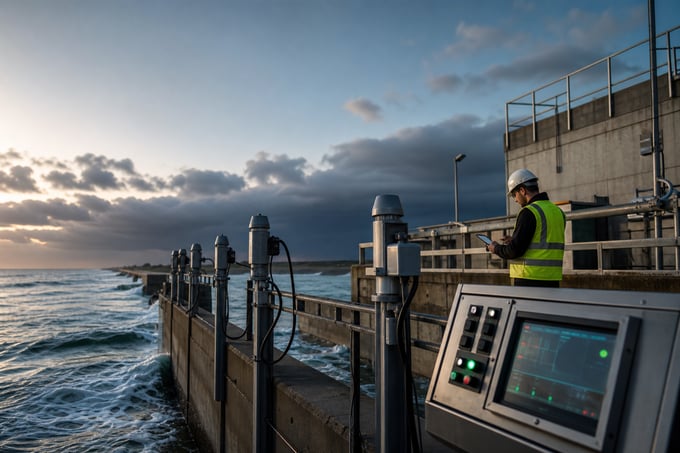
High Tide Alarms: Essential Monitoring Systems for Coastal Wastewater Management


High Tide Alarms: Essential Monitoring Systems for Coastal Wastewater Management
For wastewater treatment facilities in coastal regions, high tide events present unique operational challenges that can significantly impact system performance and environmental safety. Understanding and effectively monitoring these conditions is crucial for maintaining efficient operations and preventing system failures. This comprehensive guide explores how high tide alarm systems protect critical infrastructure and ensure continuous operation of wastewater management systems.
Understanding the Impact of High Tides on Wastewater Systems
High tides can severely affect wastewater treatment operations in several ways:
- Increased hydraulic pressure on outfall systems
- Potential saltwater infiltration into collection systems
- Reduced discharge capacity during peak tidal events
- Risk of system backflow and overflow
Components of an Effective High Tide Alarm System
A comprehensive high tide monitoring solution typically includes several key components:
| Component | Function | Critical Features |
|---|---|---|
| Level Sensors | Monitor water levels in real-time | Corrosion-resistant, high accuracy |
| Control Panel | Process sensor data and trigger alerts | User-friendly interface, data logging |
| Communication System | Transmit alerts to operators | Multiple notification methods |
| Backup Power | Ensure continuous operation | Battery backup, surge protection |
Advanced Features of Modern High Tide Monitoring Systems
Today's high tide alarm systems incorporate sophisticated features that enhance their effectiveness:
Remote Monitoring Capabilities
RACO's Catalyst alarm monitoring system enables operators to: - Access real-time data from any location - Receive customizable alerts via multiple channels - Generate comprehensive reports for compliance - Monitor multiple sites from a central location
Predictive Analytics
Modern systems utilize historical data and weather forecasts to predict potential high tide events, allowing operators to take proactive measures before problems occur. This predictive capability is particularly valuable for: - Scheduling maintenance activities - Adjusting treatment processes - Planning emergency responses - Optimizing resource allocation
Implementation Best Practices
Successfully implementing a high tide alarm system requires careful planning and consideration of several factors:
Site Assessment
Conduct a thorough evaluation of: - Historical tide patterns - System vulnerabilities - Environmental factors - Regulatory requirements
System Integration
Ensure seamless integration with existing: - SCADA systems - Treatment processes - Emergency response protocols - Communication infrastructure
Maintenance and Calibration
Regular maintenance is crucial for system reliability. Key maintenance tasks include:
| Task | Frequency | Importance |
|---|---|---|
| Sensor Calibration | Quarterly | Critical |
| System Testing | Monthly | High |
| Battery Check | Monthly | High |
| Communication Test | Weekly | Critical |
Regulatory Compliance and Reporting
High tide alarm systems play a crucial role in maintaining regulatory compliance. Key considerations include: - Documentation of monitoring data - Regular reporting to regulatory agencies - Maintenance of alarm response records - Compliance with local and federal regulations
Cost Considerations and ROI
While implementing a high tide alarm system requires initial investment, the return on investment is substantial when considering: - Prevention of system failures - Reduced maintenance costs - Avoided environmental penalties - Extended infrastructure lifespan
Future Trends in High Tide Monitoring
The field of high tide monitoring continues to evolve with emerging technologies: - AI-powered prediction models - IoT integration - Advanced sensor technologies - Cloud-based monitoring platforms
Conclusion
High tide alarm systems are essential tools for coastal wastewater treatment facilities. By implementing robust monitoring solutions like RACO's Catalyst system, operators can ensure reliable operation, regulatory compliance, and environmental protection. The investment in these systems pays dividends through improved operational efficiency, reduced risks, and enhanced system reliability.
Recommended Internal Links:
- Wastewater monitoring systems - SCADA integration - Remote monitoring solutions - Alarm notification systems - Environmental compliance monitoring


