

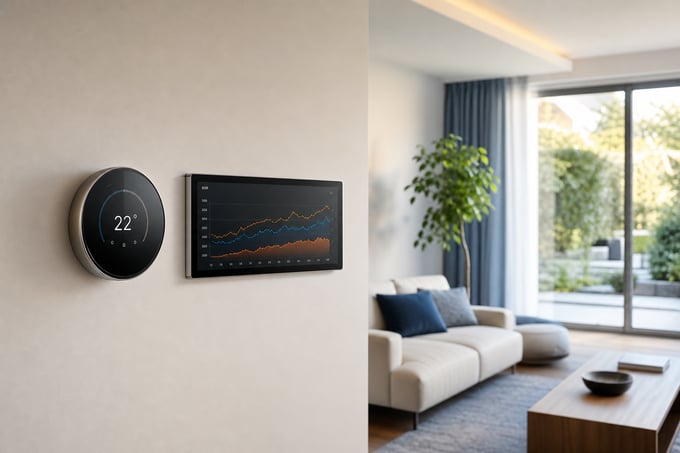
Home Temperature Monitoring Systems: The Complete Guide to Smart Home Climate Control


Home Temperature Monitoring Systems: The Complete Guide to Smart Home Climate Control
Managing your home's temperature effectively isn't just about comfort—it's about energy efficiency, protecting your property, and maintaining a healthy living environment. As experts in monitoring and control systems, we understand the critical role that accurate temperature monitoring plays in both residential and industrial settings. This comprehensive guide will help you understand everything you need to know about home temperature monitoring systems and how they can benefit your household.
Why Home Temperature Monitoring Matters
Temperature monitoring in your home serves multiple crucial purposes:
- Energy efficiency and cost savings
- Prevention of pipe freezing in cold climates
- Protection of sensitive electronics and equipment
- Maintenance of comfortable living conditions
- Early detection of HVAC system issues
According to the U.S. Department of Energy, proper temperature monitoring and control can reduce energy bills by up to 10-15% annually. This significant saving demonstrates why investing in a reliable monitoring system is crucial for any homeowner.
Components of a Home Temperature Monitoring System
| Component | Function | Typical Location |
|---|---|---|
| Temperature Sensors | Measure ambient temperature | Various rooms, outdoors |
| Central Hub/Controller | Process and display data | Accessible central location |
| Mobile App Interface | Remote monitoring and control | User's mobile device |
| Alert System | Notify of temperature anomalies | Integrated with hub |
Types of Home Temperature Monitoring Systems
1. Basic Digital Thermometers
These simple devices provide real-time temperature readings for individual rooms. While basic, they're reliable and cost-effective for spot-checking temperatures in different areas of your home.
2. Smart Thermostats with Remote Sensors
Modern smart thermostats like Nest or Ecobee come with wireless sensors that can be placed throughout your home, providing comprehensive temperature monitoring and automated control capabilities.
3. Professional Monitoring Systems
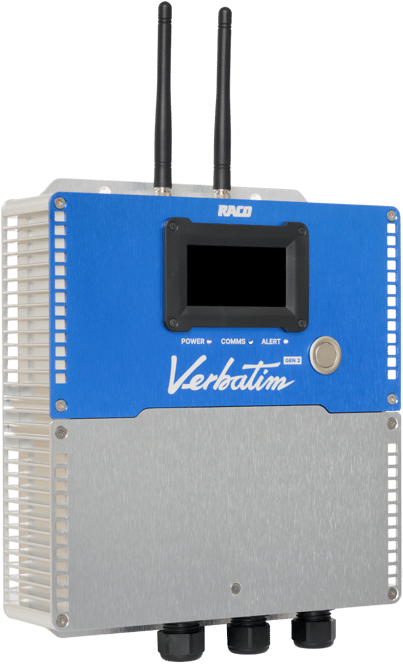
Industrial-grade monitoring solutions, like those we develop at RACO Manufacturing & Engineering, offer advanced features such as:
- 24/7 automated monitoring
- Data logging and trending analysis
- Integration with existing HVAC systems
- Remote alerting capabilities
- Cloud-based monitoring and control
Key Features to Look for in a Home Temperature Monitor
Accuracy and Reliability
Look for systems with high-precision sensors that maintain accuracy over time. Professional-grade monitors typically offer accuracy within ±0.5°F, which is essential for maintaining precise climate control.
Remote Monitoring Capabilities
Modern systems should allow you to check temperatures and receive alerts from anywhere using your smartphone or computer. This feature is particularly valuable for:
- Vacation home monitoring
- Rental property management
- Monitoring elderly relatives' homes
- Protecting valuable collections or wine cellars
Data Logging and Analysis
The ability to track temperature trends over time helps identify patterns and potential issues before they become problems. Look for systems that offer:
- Historical data storage
- Graphical representation of temperature trends
- Export capabilities for detailed analysis
- Custom reporting options
Installation and Placement Guidelines
Proper placement of temperature sensors is crucial for accurate monitoring. Consider these key factors:
| Location | Considerations | Common Mistakes to Avoid |
|---|---|---|
| Living Areas | Place at occupant height, away from direct sunlight | Installing near windows or heat sources |
| Basements | Monitor areas near water pipes and foundation | Placing sensors directly on cold surfaces |
| Attics | Install near ventilation points | Mounting in direct sunlight or near roofing |
Integration with Smart Home Systems
Modern home temperature monitors can integrate with various smart home platforms, including:
- Amazon Alexa
- Google Home
- Apple HomeKit
- Samsung SmartThings
This integration enables automated responses to temperature changes, such as adjusting HVAC settings or triggering alerts when temperatures fall outside preset ranges.
Maintenance and Troubleshooting
To ensure reliable operation of your home temperature monitoring system:
- Regularly calibrate sensors (annually recommended)
- Check battery levels in wireless sensors
- Update software and firmware when available
- Clean sensors to prevent dust accumulation
- Test alert systems monthly
Cost Considerations and ROI
While initial costs vary based on system complexity, consider the following factors when calculating return on investment:
| System Type | Initial Cost Range | Typical Annual Savings |
|---|---|---|
| Basic Digital | $20-50 | $50-100 |
| Smart Thermostat | $200-300 | $100-200 |
| Professional System | $500+ | $200-500+ |
Conclusion
A reliable home temperature monitoring system is an essential investment for any homeowner looking to maintain optimal comfort, protect their property, and reduce energy costs. Whether you choose a simple digital thermometer or a comprehensive professional monitoring solution, the key is selecting a system that meets your specific needs and provides accurate, reliable data.
For professional-grade monitoring solutions that offer industrial reliability for residential applications, consider exploring RACO Manufacturing & Engineering's range of monitoring systems. Our expertise in both industrial and residential monitoring ensures you get a solution that's both robust and user-friendly.
Recommended Internal Links:
- Smart home automation
- HVAC monitoring systems
- Remote temperature sensors
- Energy efficiency solutions
- Industrial monitoring systems