

Hospital Temperature Monitoring Systems: A Comprehensive Guide to Patient Safety and Regulatory Compliance


Hospital Temperature Monitoring Systems: A Comprehensive Guide to Patient Safety and Regulatory Compliance
In today's healthcare environment, maintaining precise temperature control isn't just about comfort—it's a critical component of patient safety, regulatory compliance, and operational efficiency. Hospital temperature monitoring systems play a vital role in protecting patients, preserving medications, and ensuring the integrity of sensitive medical equipment. This comprehensive guide explores why these systems are essential and how modern technology is revolutionizing healthcare temperature management.
The Critical Importance of Temperature Monitoring in Healthcare Settings
Temperature monitoring in hospitals extends far beyond ensuring comfortable conditions for patients and staff. It's a complex system that impacts multiple aspects of healthcare delivery:
| Area | Temperature Requirements | Impact |
|---|---|---|
| Patient Rooms | 70-75°F (21-24°C) | Patient comfort and recovery |
| Operating Rooms | 65-75°F (18-24°C) | Surgical team comfort and infection control |
| Medication Storage | 36-46°F (2-8°C) | Drug efficacy and safety |
| Laboratory Areas | Variable based on equipment | Sample integrity and equipment function |
Key Components of Hospital Temperature Monitoring Systems
Modern hospital temperature monitoring systems comprise several essential components working together to ensure comprehensive coverage:
1. Temperature Sensors
High-precision sensors deployed throughout the facility provide real-time temperature data. These devices must be calibrated regularly and maintain accuracy within strict parameters.
2. Data Collection Units
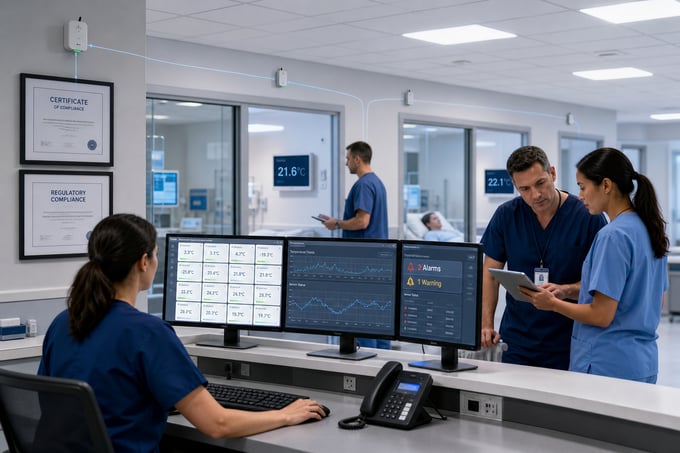
Central monitoring stations aggregate data from multiple sensors, creating a comprehensive view of temperature conditions across the facility.
3. Alert Systems
Automated notification systems immediately alert relevant personnel when temperatures deviate from acceptable ranges.
4. Documentation and Reporting Tools
Systems must maintain detailed records for regulatory compliance and analysis purposes.
Regulatory Requirements and Compliance
Healthcare facilities must adhere to strict temperature monitoring regulations from various governing bodies:
Joint Commission Requirements
The Joint Commission mandates specific temperature ranges for different hospital areas and requires regular monitoring and documentation.
FDA Guidelines
The FDA establishes strict requirements for medication and vaccine storage temperatures, including continuous monitoring and record-keeping.
Advanced Features of Modern Monitoring Systems
Today's hospital temperature monitoring solutions offer sophisticated capabilities:
Remote Monitoring Capabilities
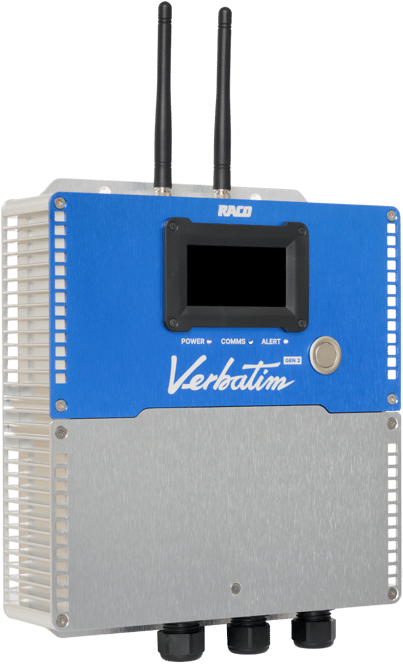
SCADA-based systems, like those provided by RACO Manufacturing & Engineering, enable staff to monitor temperatures from anywhere, ensuring immediate response to issues even during off-hours.
Cloud-Based Data Storage
Secure cloud storage solutions maintain temperature records for extended periods, facilitating compliance and trend analysis.
Integration Capabilities
Modern systems can integrate with existing building management systems and electronic health records for comprehensive facility management.
Best Practices for Implementation
Successfully implementing a hospital temperature monitoring system requires careful planning and execution:
1. Assessment and Planning
Conduct a thorough facility assessment to identify all areas requiring monitoring and determine specific requirements for each zone.
2. System Selection
Choose a system that offers:
- Real-time monitoring capabilities - Automated alerting features - Comprehensive reporting tools - Scalability for future expansion - Integration with existing systems3. Staff Training
Develop comprehensive training programs to ensure all staff members understand system operation and response protocols.
Cost Considerations and ROI
While implementing a comprehensive temperature monitoring system requires initial investment, the returns are significant:
| Benefit | Financial Impact |
|---|---|
| Reduced Product Loss | $10,000-50,000 annually |
| Labor Efficiency | 15-20% reduction in monitoring time |
| Compliance Cost Reduction | 30-40% decrease in audit preparation time |
Future Trends in Hospital Temperature Monitoring
The field continues to evolve with emerging technologies:
AI and Machine Learning
Predictive analytics help identify potential temperature control issues before they occur.
IoT Integration
Enhanced connectivity enables more comprehensive monitoring and control capabilities.