



How Do Sewers Work? A Complete Guide to Modern Sewer Systems
Modern civilization relies heavily on infrastructure that often goes unnoticed until something goes wrong. Perhaps no system is more critical yet less understood than our sewer networks. As wastewater monitoring experts at RACO Manufacturing & Engineering, we're frequently asked, "How do sewers work?" This comprehensive guide will demystify these complex systems that keep our communities healthy and functional.
The Basics: Understanding Sewer System Components
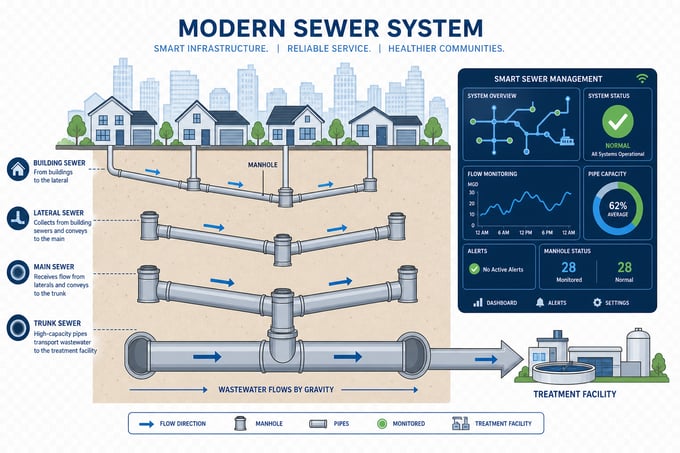
Modern sewer systems are engineering marvels that combine gravity, hydraulics, and sophisticated monitoring technology to safely transport wastewater away from homes and businesses. Let's break down the key components:
| Component | Function |
|---|---|
| Building Sewer | Connects individual properties to the main sewer line |
| Lateral Lines | Small pipes that feed into larger main lines |
| Main Lines | Primary pipes that collect from multiple lateral lines |
| Trunk Lines | Large pipes that transport wastewater to treatment facilities |
| Manholes | Access points for maintenance and inspection |
The Journey of Wastewater: From Home to Treatment Plant
When you flush a toilet or drain water from your sink, the journey through the sewer system begins. Here's the step-by-step process:
1. Building Connection
Wastewater exits your property through a building sewer line, typically 4-6 inches in diameter. This pipe slopes downward at a carefully calculated angle to utilize gravity for efficient flow.
2. Lateral Line Transport
The building sewer connects to a lateral line, which carries wastewater from multiple properties. These pipes are usually 8-12 inches in diameter and continue the downward slope.
3. Main Line Collection
Lateral lines feed into main lines, which are larger pipes (12-36 inches in diameter) that collect wastewater from entire neighborhoods or districts.
4. Trunk Line Conveyance
Main lines connect to trunk lines, the largest pipes in the system (up to 12 feet in diameter), which transport wastewater to treatment facilities.
The Role of Gravity in Sewer Systems
Gravity is the primary force driving wastewater through sewer systems. Engineers design sewer networks with precise slopes to maintain optimal flow rates. However, in areas where gravity flow isn't possible, lift stations become essential.
Understanding Lift Stations
Lift stations, also known as pump stations, are critical components in areas where:
- Terrain is too flat - Wastewater needs to move uphill - Deep excavation for gravity flow would be impracticalModern Monitoring and Management Systems
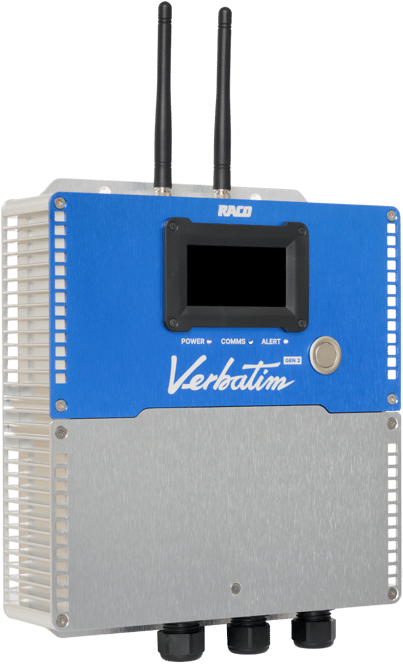
Today's sewer systems rely heavily on advanced monitoring technology to prevent failures and maintain efficiency. RACO's alarm monitoring systems play a crucial role in this process by:
- Detecting potential blockages before they cause overflows - Monitoring pump station performance - Alerting operators to equipment malfunctions - Tracking flow rates and system capacityCombined vs. Separate Sewer Systems
Two main types of sewer systems exist in modern infrastructure:
| System Type | Description | Advantages | Challenges |
|---|---|---|---|
| Combined Sewers | Handle both sewage and stormwater | Lower construction costs | Risk of overflow during heavy rain |
| Separate Sewers | Separate pipes for sewage and stormwater | Better environmental protection | Higher installation costs |
Common Sewer System Challenges and Solutions
Modern sewer systems face several challenges that require constant monitoring and maintenance:
1. Infiltration and Inflow (I&I)
Groundwater and stormwater entering the system through cracks or improper connections can overwhelm capacity. Regular monitoring and maintenance help identify and address these issues early.
2. Aging Infrastructure
Many cities operate sewer systems that are over 100 years old. Modern monitoring systems help prioritize repairs and replacements before catastrophic failures occur.
3. Capacity Issues
Growing populations strain existing infrastructure. Smart monitoring systems help utilities manage flow and plan for expansion.
The Future of Sewer Systems
Sewer infrastructure continues to evolve with new technologies and approaches:
- Smart sensors for real-time monitoring - Advanced materials for longer-lasting pipes - Green infrastructure to manage stormwater - AI-powered predictive maintenance systemsMaintaining Your Local Sewer Connection
While municipalities maintain main sewer lines, property owners are responsible for their building sewer connections. Regular maintenance should include:
| Maintenance Task | Frequency | Purpose |
|---|---|---|
| Video Inspection | Every 2-3 years | Identify potential issues early |
| Root Treatment | Annually | Prevent root intrusion |
| Clean-out Check | Bi-annually | Ensure access points are clear |
Conclusion: The Importance of Modern Sewer Systems
Understanding how sewers work helps us appreciate these critical infrastructure systems that protect public health and the environment. From gravity-fed pipes to advanced monitoring systems, every component plays a vital role in maintaining our modern way of life.
For utilities and municipalities looking to enhance their sewer system monitoring capabilities, RACO Manufacturing & Engineering offers state-of-the-art alarm monitoring solutions that help prevent system failures and protect communities.