

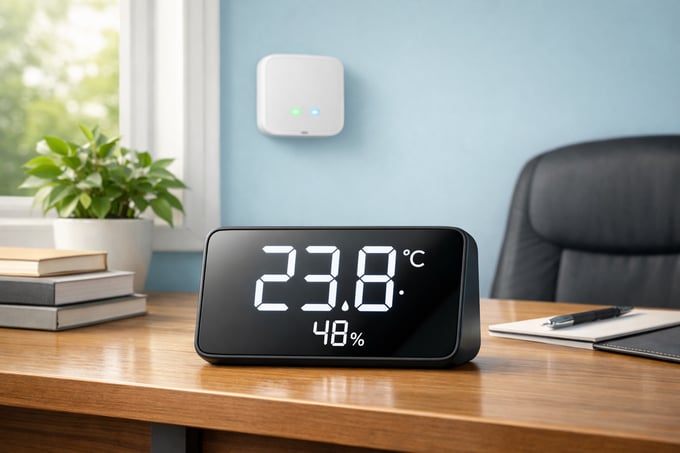


How to Check Room Temperature: Expert Guide for Accurate Measurements
Understanding and maintaining the right room temperature is crucial for comfort, energy efficiency, and proper equipment operation. As experts in monitoring and control systems, we'll guide you through the most accurate methods to check room temperature, ensuring you get reliable readings every time.
Why Accurate Room Temperature Measurements Matter
Precise room temperature measurements are essential for several reasons:
- HVAC system efficiency - Equipment protection - Comfort optimization - Energy cost management - Regulatory compliance - Process controlGetting accurate readings can mean the difference between optimal operation and wasted energy or equipment failure. Let's explore the best methods and tools for checking room temperature.
Professional Methods for Checking Room Temperature
1. Digital Thermometers
Digital thermometers offer the most accurate and convenient way to check room temperature. When using a digital thermometer:
| Step | Action | Important Consideration |
|---|---|---|
| 1 | Place the thermometer away from direct heat sources | Maintain 3-4 feet distance from vents or sunlight |
| 2 | Position at proper height | Mount at 4-5 feet from floor for most accurate reading |
| 3 | Allow stabilization time | Wait 5-10 minutes for accurate reading |
2. Smart Temperature Sensors
Modern smart sensors provide continuous monitoring and remote access to temperature data. These devices offer:
- Real-time monitoring - Data logging capabilities - Mobile app integration - Alert notifications - Historical trending3. Traditional Mercury Thermometers
While less common today, mercury thermometers can still provide accurate readings when properly used. However, we recommend digital alternatives for safety and precision.
Best Practices for Temperature Measurement
Optimal Placement Locations
The location of your temperature measurement device significantly impacts accuracy. Consider these placement guidelines:
| Location | Benefit | Consideration |
|---|---|---|
| Center of room | Most representative reading | Avoid foot traffic areas |
| Interior walls | Stable readings | Away from windows and exterior walls |
| Multiple points | Better average temperature profile | Consider cost vs. benefit |
Timing Considerations
For the most accurate results, check room temperature:
- During different times of day - Under various weather conditions - When HVAC system is both active and inactive - After allowing readings to stabilizeAdvanced Temperature Monitoring Solutions
For critical applications, consider implementing automated monitoring systems that provide:
1. Remote Temperature Monitoring
Remote monitoring systems allow for:
- 24/7 temperature surveillance - Immediate alert notifications - Data logging and analysis - Mobile access to readings - Integration with building management systems2. Multi-Point Temperature Measurement
Installing multiple sensors throughout a space provides:
- More comprehensive temperature profiles - Better understanding of temperature variations - Identification of hot/cold spots - Improved HVAC controlCommon Temperature Measurement Errors to Avoid
Be aware of these common mistakes when checking room temperature:
| Error | Impact | Solution |
|---|---|---|
| Direct sunlight exposure | False high readings | Shield from direct sun |
| Proximity to heat sources | Inaccurate elevated readings | Maintain proper distance |
| Poor sensor placement | Unrepresentative readings | Follow placement guidelines |
Temperature Monitoring for Industrial Applications
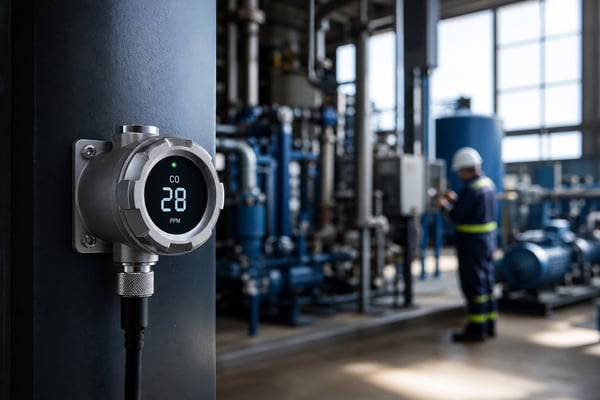
In industrial settings, temperature monitoring becomes even more critical. Consider implementing:
- Industrial-grade temperature sensors - SCADA integration capabilities - Redundant measurement systems - Automated logging and reporting - Calibration verification proceduresRecommended Temperature Monitoring Equipment
For reliable room temperature monitoring, we recommend:
| Equipment Type | Best For | Key Features |
|---|---|---|
| Digital thermometers | Basic monitoring | Easy to use, portable |
| Smart sensors | Continuous monitoring | Remote access, data logging |
| Industrial sensors | Critical applications | High accuracy, durability |
Temperature Monitoring Best Practices Summary
To ensure accurate room temperature measurements:
1. Use appropriate equipment for your application 2. Follow proper placement guidelines 3. Consider multiple measurement points 4. Implement regular calibration checks 5. Document readings and trends 6. Address variations promptlyConclusion
Accurate room temperature measurement is essential for comfort, efficiency, and equipment protection. By following these guidelines and using appropriate monitoring tools, you can ensure reliable temperature readings and optimal environmental control. For critical applications, consider implementing automated monitoring systems with remote access capabilities.
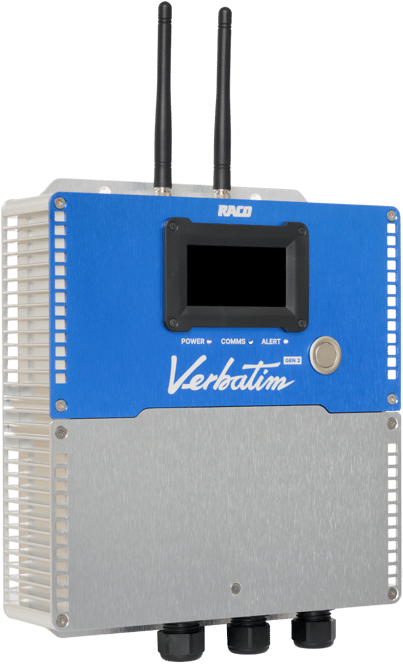
For expert guidance on industrial temperature monitoring solutions or to learn more about our remote monitoring systems, contact our technical team at RACO Manufacturing & Engineering.