

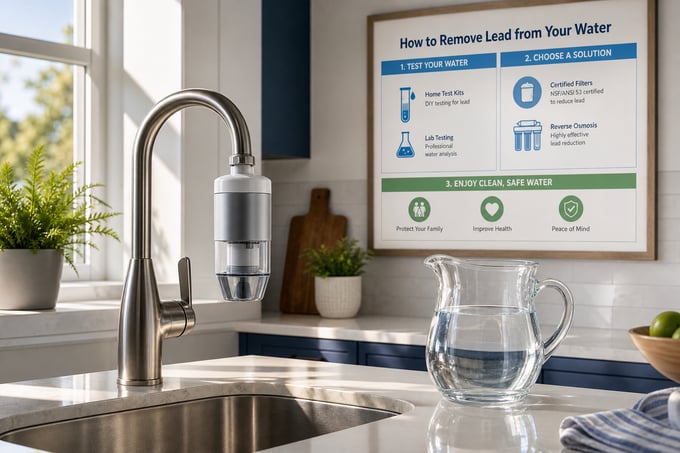
How to Get Lead Out of Water: A Comprehensive Guide to Safe Drinking Water


How to Get Lead Out of Water: A Comprehensive Guide to Safe Drinking Water
Lead contamination in drinking water remains a serious public health concern, affecting millions of households across America. As water infrastructure ages and awareness grows about the dangers of lead exposure, understanding how to get lead out of water has become crucial for protecting our families and communities. This comprehensive guide will walk you through effective methods to remove lead from your water supply and ensure safe drinking water for your household.
Understanding Lead Contamination in Water
Before diving into solutions, it's essential to understand how lead enters our water supply. Lead contamination typically occurs through:
- Corroding lead service lines
- Old plumbing fixtures and solder
- Deteriorating infrastructure
- Industrial discharge
The Environmental Protection Agency (EPA) states that there is no safe level of lead exposure, making it crucial to address any lead presence in drinking water immediately.
Testing Your Water for Lead
The first step in removing lead from water is confirming its presence through proper testing. You can:
| Testing Method | Advantages | Considerations |
|---|---|---|
| Professional Laboratory Testing | Most accurate results, comprehensive analysis | Higher cost, longer wait time |
| Home Testing Kits | Immediate results, cost-effective | May be less accurate |
| Water Utility Testing | Often free, professionally conducted | May have waiting periods |
Effective Methods to Remove Lead from Water
1. Install a Certified Water Filter
One of the most effective ways to get lead out of water is installing a certified filtration system. Look for filters specifically tested and certified for lead removal by NSF International or the Water Quality Association (WQA).
Types of Lead-Removing Filters:
| Filter Type | Effectiveness | Maintenance Required |
|---|---|---|
| Reverse Osmosis Systems | Removes up to 99% of lead | Annual membrane replacement |
| Activated Carbon Filters | Removes 95-99% of lead | Filter replacement every 3-6 months |
| Distillation Units | Removes nearly all lead | Regular cleaning |
2. Replace Lead Service Lines
While more expensive, replacing lead service lines offers a permanent solution to lead contamination. This process typically involves:
- Identifying lead pipes (they appear dull gray and are easily scratched)
- Consulting with licensed plumbers
- Coordinating with local water utilities
- Installing new copper or PEX piping
3. Implement Point-of-Use Solutions
For immediate protection while planning longer-term solutions, consider these point-of-use options:
| Solution | Application | Effectiveness |
|---|---|---|
| Faucet-Mounted Filters | Direct attachment to taps | Good for immediate use |
| Under-Sink Systems | Whole sink filtration | Excellent long-term solution |
| Pitcher Filters | Portable filtration | Moderate effectiveness |
Monitoring and Maintenance for Lead-Free Water
Maintaining lead-free water requires ongoing vigilance and regular system maintenance. Implement these best practices:
Regular Testing Schedule
| Frequency | Action Items |
|---|---|
| Every 6 Months | Basic water quality testing |
| Annually | Comprehensive lead testing |
| After System Changes | Verification testing |
Advanced Monitoring Solutions
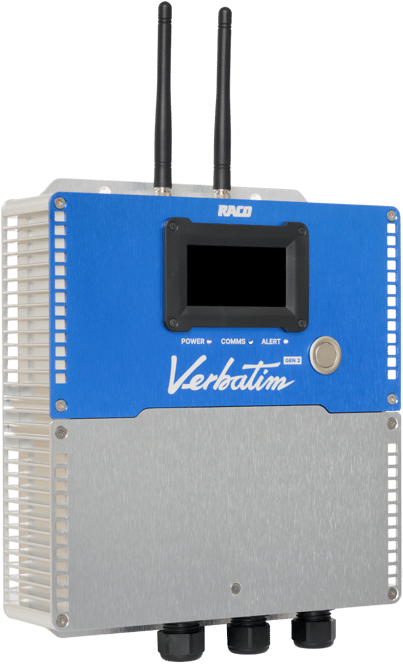
For facilities and municipalities managing water quality at scale, implementing advanced monitoring systems is crucial. RACO Manufacturing & Engineering's alarm monitoring systems provide real-time alerts for water quality parameters, ensuring immediate response to potential lead contamination issues. These systems can:
- Monitor water quality parameters 24/7
- Send instant alerts when abnormalities are detected
- Track historical data for compliance reporting
- Integrate with existing SCADA systems
Additional Preventive Measures
Beyond filtration and monitoring, implement these practices to minimize lead exposure:
- Run cold water for 1-2 minutes before use
- Clean faucet aerators regularly
- Use only cold water for drinking and cooking
- Consider whole-house treatment systems
Understanding the Cost of Lead Removal
| Solution | Initial Cost Range | Annual Maintenance |
|---|---|---|
| Whole House Filter | $500-$3000 | $100-$200 |
| Reverse Osmosis | $200-$1000 | $50-$100 |
| Service Line Replacement | $2500-$5000 | Minimal |
Conclusion
Getting lead out of water requires a multi-faceted approach combining proper testing, effective filtration, and ongoing monitoring. Whether you're protecting a single household or managing a municipal water system, the investment in lead removal solutions pays dividends in public health and safety. For large-scale operations, consider implementing RACO's advanced monitoring systems to ensure consistent water quality and immediate response to potential issues.
Remember, while the initial cost of lead removal may seem significant, the long-term health benefits far outweigh the investment. Take action today to ensure safe, lead-free water for your family or community.
Recommended Internal Links:
- Water quality monitoring systems
- SCADA integration
- Remote monitoring solutions
- Water treatment alarm systems