


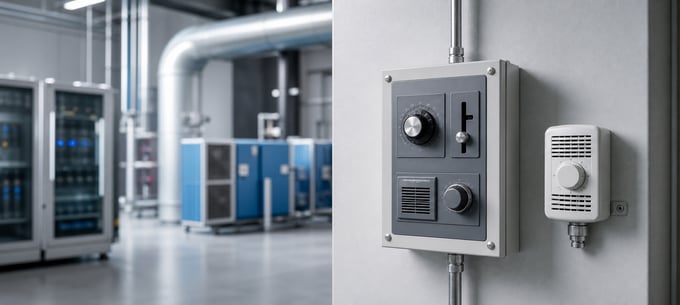


Humidistat Switch: The Complete Guide to Industrial Humidity Control
In industrial environments, maintaining precise humidity levels isn't just about comfort—it's crucial for operational efficiency, equipment longevity, and regulatory compliance. A humidistat switch serves as the cornerstone of effective humidity control, yet many facility managers struggle to understand its full potential and proper implementation. This comprehensive guide will demystify humidistat switches and demonstrate why they're essential for modern industrial applications.
What is a Humidistat Switch?
A humidistat switch, also known as a humidity control switch, is a precision instrument that monitors and controls relative humidity levels in an environment. Similar to how a thermostat manages temperature, a humidistat switch activates or deactivates humidity control equipment when moisture levels deviate from predetermined setpoints.
Core Components of a Humidistat Switch
The primary components of a modern humidistat switch include:
| Component | Function |
|---|---|
| Sensing Element | Detects changes in ambient humidity levels |
| Control Circuit | Processes humidity readings and triggers responses |
| Relay System | Activates or deactivates connected equipment |
| Display Interface | Shows current readings and allows setpoint adjustments |
Types of Humidistat Switches
Understanding the different types of humidistat switches is crucial for selecting the right solution for your application:
1. Mechanical Humidistat Switches
These traditional switches use hygroscopic materials that physically change with moisture content. While simple and reliable, they offer less precision than modern alternatives.
2. Electronic Humidistat Switches
Digital systems provide superior accuracy and often include advanced features like data logging and remote monitoring capabilities. They're ideal for critical industrial applications requiring precise control.
3. Integrated Control Systems
Modern humidistat switches often come as part of comprehensive environmental control systems, offering seamless integration with other facility management tools.
Industrial Applications of Humidistat Switches
Humidistat switches play vital roles across numerous industries:
| Industry | Application | Critical Requirements |
|---|---|---|
| Wastewater Treatment | Pump Station Control | Corrosion Prevention |
| Manufacturing | Process Control | Product Quality |
| Pharmaceutical | Storage Conditions | Regulatory Compliance |
| Data Centers | Equipment Protection | System Reliability |
Installation and Integration Best Practices
Proper installation of a humidistat switch is crucial for optimal performance. Consider these key factors:
Location Considerations
Install the humidistat switch:
- Away from direct air currents - At a representative height in the monitored space - Clear of interference from nearby equipment - Protected from extreme temperature variationsIntegration with Existing Systems
Modern humidistat switches can integrate with:
- SCADA systems - Building automation systems - Remote monitoring platforms - Alarm notification systemsMaintenance and Troubleshooting
Regular maintenance ensures reliable operation of humidistat switches. Implement these essential practices:
| Maintenance Task | Frequency | Purpose |
|---|---|---|
| Calibration Check | Quarterly | Ensure accuracy |
| Sensor Cleaning | Monthly | Prevent interference |
| System Test | Bi-annually | Verify operation |
Selecting the Right Humidistat Switch
When choosing a humidistat switch, consider these critical factors:
Technical Specifications
- Operating range - Accuracy requirements - Response time - Power requirements - Communication protocolsEnvironmental Considerations
- Ambient conditions - Exposure to chemicals - Temperature extremes - Dust and moisture levelsFuture Trends in Humidity Control
The evolution of humidistat switch technology continues with emerging trends:
- IoT integration for remote monitoring and control - AI-powered predictive maintenance - Enhanced energy efficiency features - Improved sensor technology - Advanced data analytics capabilitiesConclusion
A properly selected and maintained humidistat switch is essential for effective industrial humidity control. By understanding the types, applications, and best practices outlined in this guide, facility managers can make informed decisions to optimize their operations and protect valuable equipment.


