


Humidity Sensors in Wastewater Treatment: A Complete Guide to Selection, Implementation, and Maintenance


Humidity Sensors in Wastewater Treatment: A Complete Guide to Selection, Implementation, and Maintenance
In wastewater treatment facilities, maintaining precise control over environmental conditions is crucial for optimal system performance and regulatory compliance. Humidity sensors play a vital role in this process, serving as essential monitoring devices that help prevent equipment damage, ensure process efficiency, and maintain safe working conditions. This comprehensive guide explores everything facility managers and operators need to know about humidity sensors in wastewater applications.
Understanding the Critical Role of Humidity Monitoring in Wastewater Treatment
Humidity levels directly impact various aspects of wastewater treatment processes, from biological treatment effectiveness to equipment longevity. High humidity can accelerate corrosion, promote unwanted biological growth, and create unsafe working conditions. Conversely, insufficient humidity might impair certain biological treatment processes that require specific moisture levels for optimal performance.
| Impact Area | Potential Issues from Poor Humidity Control | Benefits of Proper Monitoring |
|---|---|---|
| Equipment Integrity | Corrosion, electrical failures, reduced lifespan | Extended equipment life, reduced maintenance costs |
| Process Efficiency | Suboptimal biological treatment, increased energy consumption | Optimized treatment processes, energy savings |
| Safety Compliance | Workplace hazards, regulatory violations | Improved worker safety, regulatory compliance |
Types of Humidity Sensors for Wastewater Applications
Several types of humidity sensors are available for wastewater treatment facilities, each with specific advantages and applications:
1. Capacitive Humidity Sensors
Most commonly used in wastewater applications, capacitive sensors offer excellent accuracy and reliability in harsh environments. They measure relative humidity by detecting changes in electrical capacitance between two electrodes separated by a moisture-sensitive material.
2. Resistive Humidity Sensors
These sensors measure humidity by detecting changes in electrical resistance caused by moisture absorption. While generally less expensive than capacitive sensors, they may require more frequent calibration in wastewater environments.
3. Thermal Conductivity Sensors
Particularly useful in high-temperature applications, these sensors measure absolute humidity by comparing the thermal conductivity of dry air versus humid air.
Key Features to Consider When Selecting Humidity Sensors
When choosing humidity sensors for wastewater treatment applications, several critical factors deserve careful consideration:
Environmental Protection
Look for sensors with appropriate IP ratings (minimum IP66) to withstand harsh wastewater environments, including exposure to chemicals, moisture, and corrosive gases.
Accuracy and Range
Select sensors that provide the necessary accuracy (typically ±2-3% RH) across the expected humidity range (often 0-100% RH in wastewater applications).
Communication Capabilities
Modern humidity sensors should integrate seamlessly with existing SCADA systems and alarm dialers through standard protocols like 4-20mA, Modbus, or wireless communications.
Integration with Alarm Systems and Remote Monitoring
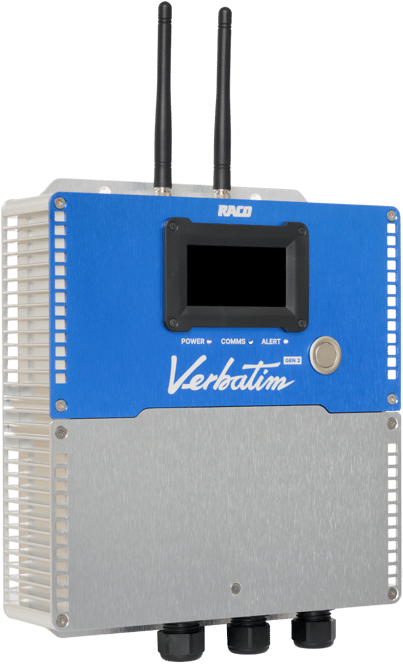
Effective humidity monitoring requires more than just sensor installation – it demands robust integration with alarm and monitoring systems. RACO Manufacturing's alarm dialers and monitoring solutions provide essential connectivity for humidity sensor data:
Alarm Notification Features
- Real-time alerts when humidity levels exceed predetermined thresholds
- Customizable notification methods (voice, text, email)
- Escalation protocols for unacknowledged alarms
- Historical data logging for trend analysis and reporting
Best Practices for Installation and Maintenance
Proper installation and regular maintenance are crucial for reliable humidity sensor operation:
Installation Guidelines
Position sensors away from direct water spray, heat sources, and air currents. Consider using protective enclosures or radiation shields when necessary. Ensure proper cable routing and sealing to prevent moisture ingress.
Maintenance Schedule
| Maintenance Task | Frequency | Important Notes |
|---|---|---|
| Visual Inspection | Monthly | Check for physical damage or contamination |
| Calibration Check | Quarterly | Compare readings with calibrated reference instrument |
| Full Calibration | Annually | Professional calibration service recommended |
Troubleshooting Common Issues
Understanding common humidity sensor problems and their solutions helps maintain system reliability:
Common Problems and Solutions
1. Drift in Readings - Cause: Contamination or aging - Solution: Clean sensor element or recalibrate
2. Slow Response Time - Cause: Filter contamination - Solution: Clean or replace filter element
3. Erratic Readings - Cause: Electrical interference - Solution: Check grounding and shielding
Future Trends in Humidity Sensing Technology
The field of humidity sensing continues to evolve, with several emerging trends:
- IoT-enabled sensors with enhanced connectivity and remote diagnostics
- Self-calibrating sensors reducing maintenance requirements
- Advanced materials improving sensor longevity in harsh environments
Conclusion
Effective humidity monitoring is essential for modern wastewater treatment facilities. By selecting appropriate sensors, implementing proper installation and maintenance procedures, and integrating with robust alarm systems like RACO's monitoring solutions, facilities can ensure optimal performance and regulatory compliance.
For more information about integrating humidity sensors with RACO's alarm and monitoring systems, contact our technical experts or visit our product pages for detailed specifications.
Recommended Internal Links:
- SCADA Systems
- Alarm Dialers
- Remote Monitoring Solutions
- Wastewater Treatment Monitoring
- Environmental Compliance Solutions