


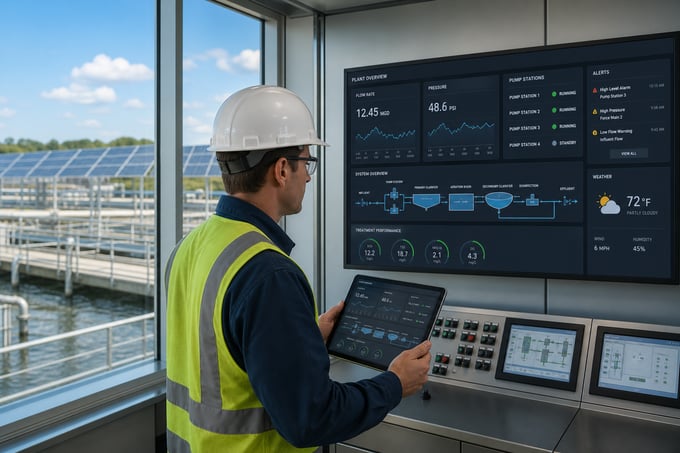
IMS Status Monitoring: The Complete Guide to Intelligent Monitoring Solutions for Wastewater Systems


IMS Status Monitoring: The Complete Guide to Intelligent Monitoring Solutions for Wastewater Systems
In the complex world of wastewater management, maintaining optimal system performance isn't just important—it's critical. IMS status monitoring has revolutionized how utilities and industrial facilities track, manage, and respond to their system conditions. This comprehensive guide explores everything you need to know about IMS status monitoring and why it's becoming the gold standard in wastewater system management.
Understanding IMS Status: The Foundation of Modern Monitoring
IMS (Intelligent Monitoring Solution) status refers to the real-time condition and operational state of wastewater monitoring systems. This sophisticated monitoring approach provides operators with instant access to critical system parameters, equipment performance metrics, and potential issues that require attention.
Key Components of IMS Status Monitoring
A robust IMS status system typically includes:
| Component | Function | Benefit |
|---|---|---|
| Remote Telemetry Units (RTUs) | Data collection and transmission | Real-time monitoring capabilities |
| SCADA Integration | System control and visualization | Centralized management |
| Alarm Systems | Alert notification | Rapid response to issues |
| Analytics Platform | Data analysis and reporting | Informed decision-making |
The Critical Role of IMS Status in Wastewater Operations
Modern wastewater facilities rely heavily on IMS status monitoring to maintain efficient operations. This technology enables operators to:
- Prevent System Failures: Early detection of potential issues through continuous monitoring
- Optimize Resources: Better allocation of maintenance personnel and resources based on real data
- Ensure Compliance: Maintain regulatory compliance through automated monitoring and reporting
- Reduce Costs: Lower operational expenses through predictive maintenance and efficient resource utilization
Advanced Features of Modern IMS Status Systems
Today's IMS status monitoring solutions offer sophisticated capabilities that go beyond basic system monitoring:
1. Predictive Analytics
Modern systems utilize machine learning algorithms to predict potential equipment failures before they occur. This predictive capability allows facilities to schedule maintenance proactively, reducing downtime and extending equipment life.
2. Mobile Integration
Operators can access IMS status information through mobile devices, enabling remote monitoring and management. This mobility ensures quick response times and efficient problem resolution, even when personnel are off-site.
3. Automated Reporting
Advanced IMS status systems generate comprehensive reports automatically, streamlining compliance documentation and operational analysis. These reports can be customized to meet specific facility needs and regulatory requirements.
Implementing IMS Status Monitoring: Best Practices
Successfully implementing an IMS status monitoring system requires careful planning and consideration of several key factors:
System Assessment
Begin with a thorough assessment of your current infrastructure and monitoring needs. This evaluation should consider:
| Assessment Area | Considerations |
|---|---|
| Current Infrastructure | Existing equipment compatibility, network capabilities |
| Monitoring Requirements | Critical parameters, reporting needs, compliance requirements |
| Staff Capabilities | Training needs, technical expertise |
| Budget Constraints | Initial investment, ongoing maintenance costs |
Maximizing ROI with IMS Status Monitoring
To achieve the highest return on investment from your IMS status system, consider these strategic approaches:
1. Integration with Existing Systems
Ensure seamless integration with current SCADA systems, maintenance management software, and other operational tools. This integration maximizes efficiency and prevents data silos.
2. Staff Training and Development
Invest in comprehensive training programs to ensure your team can fully utilize the system's capabilities. Regular training updates keep staff current with new features and best practices.
3. Regular System Updates
Maintain current software versions and hardware components to ensure optimal performance and security. Regular updates also provide access to new features and improvements.
Future Trends in IMS Status Monitoring
The future of IMS status monitoring is evolving rapidly, with several emerging trends shaping the industry:
- AI Integration: Enhanced predictive capabilities through artificial intelligence
- IoT Expansion: Increased connectivity with IoT devices and sensors
- Cloud Computing: Greater reliance on cloud-based monitoring and analysis
- Cybersecurity: Enhanced security measures to protect critical infrastructure
Conclusion: The Path Forward with IMS Status Monitoring
IMS status monitoring represents the future of wastewater system management. By implementing these advanced monitoring solutions, facilities can achieve higher efficiency, better compliance, and reduced operational costs. The key to success lies in choosing the right system, implementing it effectively, and maintaining it properly.
For more information about implementing IMS status monitoring in your facility, contact RACO Manufacturing & Engineering. Our experts can help you design and implement a solution that meets your specific needs.


