

Industrial Effluent Treatment: A Comprehensive Guide to Wastewater Management


Industrial Effluent Treatment: A Comprehensive Guide to Wastewater Management
Industrial effluent treatment has become increasingly critical as environmental regulations tighten and industries face mounting pressure to reduce their environmental impact. As a wastewater management expert, I've witnessed firsthand how proper effluent treatment can not only ensure regulatory compliance but also deliver significant cost savings and environmental benefits for industrial facilities.
Understanding Industrial Effluent Treatment
Industrial effluent refers to the liquid waste or wastewater produced by industrial processes and manufacturing activities. This waste stream can contain various pollutants, including:
| Pollutant Type | Common Sources | Environmental Impact |
|---|---|---|
| Heavy Metals | Metal Processing, Electronics Manufacturing | Toxic to aquatic life, soil contamination |
| Organic Compounds | Food Processing, Chemical Manufacturing | Oxygen depletion in water bodies |
| Suspended Solids | Mining, Construction | Turbidity, habitat destruction |
The Industrial Effluent Treatment Process
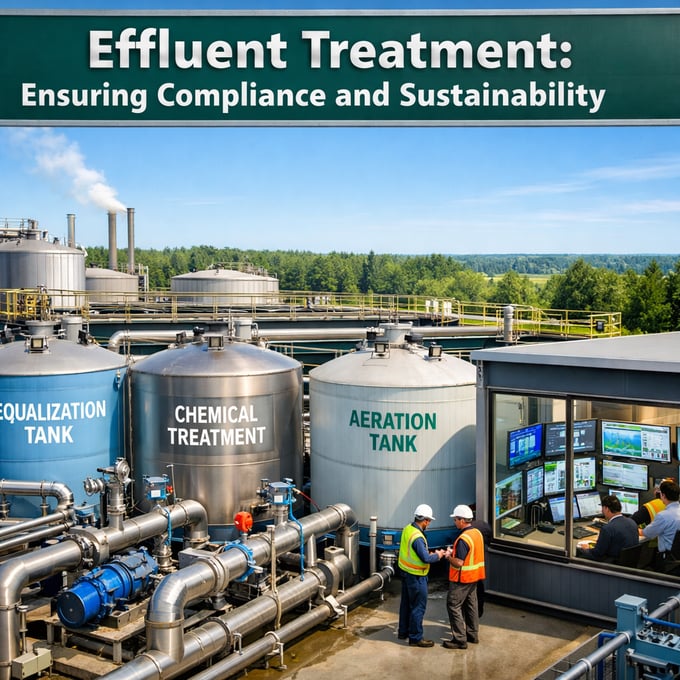
Effective industrial effluent treatment typically involves multiple stages, each designed to remove specific types of contaminants. Understanding these stages is crucial for implementing an efficient treatment system.
1. Primary Treatment
The first stage focuses on removing large solid materials and suspended particles through physical processes such as:
- Screening - Sedimentation - Oil separation - Flotation2. Secondary Treatment
This biological treatment phase uses microorganisms to break down organic pollutants. Key processes include:
- Activated sludge treatment - Trickling filters - Rotating biological contactors - Membrane bioreactors3. Tertiary Treatment
Advanced treatment methods remove specific contaminants and ensure water quality meets discharge standards through:
- Chemical precipitation - Membrane filtration - Advanced oxidation - Ion exchangeMonitoring and Control Systems in Effluent Treatment
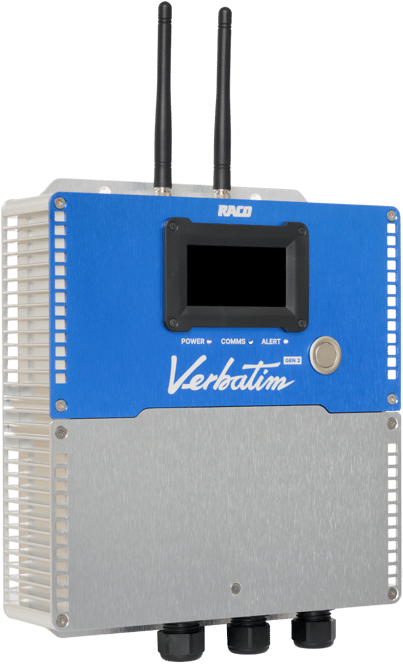
Successful industrial effluent treatment relies heavily on sophisticated monitoring and control systems. At RACO Manufacturing & Engineering, we've developed advanced alarm monitoring solutions specifically designed for wastewater treatment facilities.
Critical Parameters to Monitor
| Parameter | Importance | Monitoring Method |
|---|---|---|
| pH Level | Affects treatment efficiency and compliance | Continuous pH sensors with remote monitoring |
| Dissolved Oxygen | Essential for biological treatment | DO probes with automated alerts |
| Flow Rate | Ensures proper treatment capacity | Flow meters with data logging |
Regulatory Compliance and Standards
Industrial facilities must comply with various regulations governing effluent discharge. Key considerations include:
Common Regulatory Requirements
1. National Pollutant Discharge Elimination System (NPDES) permits
2. Local wastewater discharge limits
3. Industry-specific effluent guidelines
4. Monitoring and reporting requirements
Optimizing Treatment Efficiency
To maximize the effectiveness of industrial effluent treatment systems, consider implementing these best practices:
1. Regular Maintenance and Monitoring
Implement a comprehensive maintenance schedule including:
- Equipment inspection and calibration - Sensor cleaning and verification - System performance assessment - Documentation of maintenance activities2. Advanced Automation Solutions
Utilize modern automation technologies such as:
- SCADA systems for real-time monitoring - Automated chemical dosing systems - Remote monitoring capabilities - Predictive maintenance algorithmsCost Considerations and ROI
While industrial effluent treatment systems require significant investment, the long-term benefits often outweigh the costs:
| Investment Area | Initial Cost Impact | Long-term Benefits |
|---|---|---|
| Equipment | High | Reduced operating costs, longer system life |
| Automation | Medium | Lower labor costs, improved efficiency |
| Monitoring Systems | Medium | Prevented violations, optimized treatment |
Future Trends in Industrial Effluent Treatment
The field of industrial effluent treatment continues to evolve with emerging technologies and approaches:
1. Advanced oxidation processes2. Membrane technology improvements
3. AI-driven treatment optimization
4. Zero liquid discharge systems
Conclusion
Effective industrial effluent treatment is essential for environmental protection and regulatory compliance. By implementing proper monitoring systems, maintaining equipment regularly, and staying current with technological advances, facilities can achieve optimal treatment results while managing costs effectively.
For reliable alarm monitoring solutions in your industrial effluent treatment system, consider RACO's advanced monitoring systems, which provide real-time alerts and remote monitoring capabilities to ensure your treatment process runs smoothly and efficiently.