


Industrial Ethernet WiFi Adapters: Essential Guide for Remote Monitoring Systems [2024]


Industrial Ethernet WiFi Adapters: Essential Guide for Remote Monitoring Systems [2024]
In today's interconnected industrial landscape, reliable communication between remote monitoring systems and central control stations is crucial, particularly in water and wastewater management. An ethernet WiFi adapter serves as a vital bridge between traditional wired systems and modern wireless networks, enabling seamless data transmission and remote access capabilities. This comprehensive guide will help you understand how these adapters can enhance your monitoring operations and ensure consistent communication reliability.
Understanding Ethernet WiFi Adapters in Industrial Applications
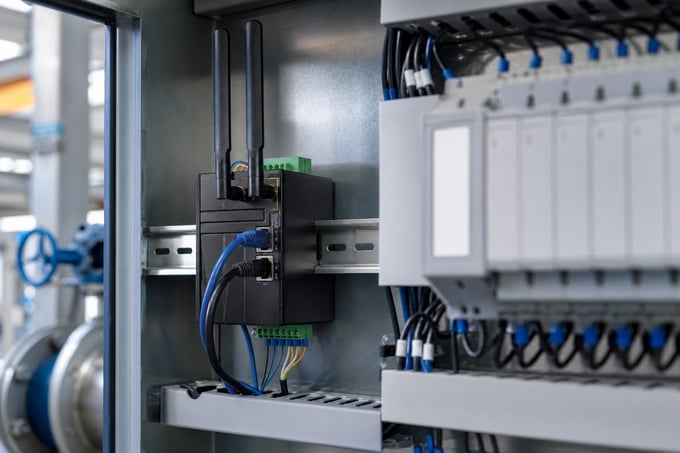
Industrial ethernet WiFi adapters are specialized networking devices that convert standard ethernet connections into wireless signals, allowing equipment to communicate over WiFi networks. Unlike consumer-grade adapters, industrial versions are built to withstand harsh environments and maintain stable connections in critical infrastructure settings.
Key Components of Industrial Ethernet WiFi Adapters
| Component | Function | Industrial Importance |
|---|---|---|
| Ruggedized Housing | Protects internal components | Withstands extreme temperatures and harsh conditions |
| Industrial-Grade Antenna | Signal transmission/reception | Enhanced range and penetration through obstacles |
| Power Protection | Surge protection | Prevents damage from power fluctuations |
Benefits of Using Ethernet WiFi Adapters in Remote Monitoring
Implementing ethernet WiFi adapters in remote monitoring systems offers numerous advantages for water and wastewater facilities:
1. Enhanced Flexibility and Mobility
Wireless connectivity allows operators to access monitoring data from various locations within the facility or even remotely, improving response times and operational efficiency.
2. Cost-Effective Installation
Eliminating the need for extensive ethernet cabling reduces installation costs and simplifies system expansion. This is particularly beneficial in large treatment plants or remote pumping stations.
3. Reliable Data Transmission
Modern industrial ethernet WiFi adapters incorporate advanced error correction and signal strength optimization, ensuring consistent data transmission even in challenging environments.
Integration with RACO Alarm Monitoring Systems
RACO's remote monitoring solutions seamlessly integrate with industrial ethernet WiFi adapters to provide comprehensive alarm monitoring and reporting capabilities. This integration enables:
- Real-time alarm notifications
- Remote system diagnostics
- Data logging and trending
- Secure remote access
Best Practices for Implementation
To maximize the effectiveness of ethernet WiFi adapters in your monitoring system:
1. Site Survey and Planning
Conduct thorough wireless site surveys to identify potential interference sources and optimal adapter placement. Consider factors such as:
- Physical obstacles and building materials
- Distance between access points
- Existing wireless networks
2. Security Considerations
Implement robust security measures to protect your wireless network:
- WPA3 encryption
- Network segmentation
- Regular security audits
Troubleshooting Common Issues
Understanding common challenges with ethernet WiFi adapters helps maintain optimal system performance:
| Issue | Possible Cause | Solution |
|---|---|---|
| Signal Loss | Physical interference | Relocate adapter or add signal repeaters |
| Intermittent Connection | Power fluctuations | Install UPS or power conditioning |
| Slow Performance | Network congestion | Implement QoS settings |
Future Trends in Industrial Wireless Connectivity
The evolution of ethernet WiFi adapter technology continues to advance, with several emerging trends:
1. WiFi 6 Integration
Next-generation WiFi 6 (802.11ax) technology offers improved performance and device handling capabilities, particularly beneficial for industrial IoT applications.
2. Edge Computing Capabilities
Advanced adapters are incorporating edge processing capabilities, enabling local data analysis and reducing network bandwidth requirements.
Conclusion
Ethernet WiFi adapters play a crucial role in modern industrial monitoring systems, providing the flexibility and reliability needed for effective remote operations. When properly implemented with RACO's monitoring solutions, these adapters enable robust, secure, and efficient communication networks essential for water and wastewater management facilities.
Recommended Internal Links:
- Remote Monitoring Systems
- Industrial Automation Solutions
- Wireless Alarm Systems
- SCADA Integration


