

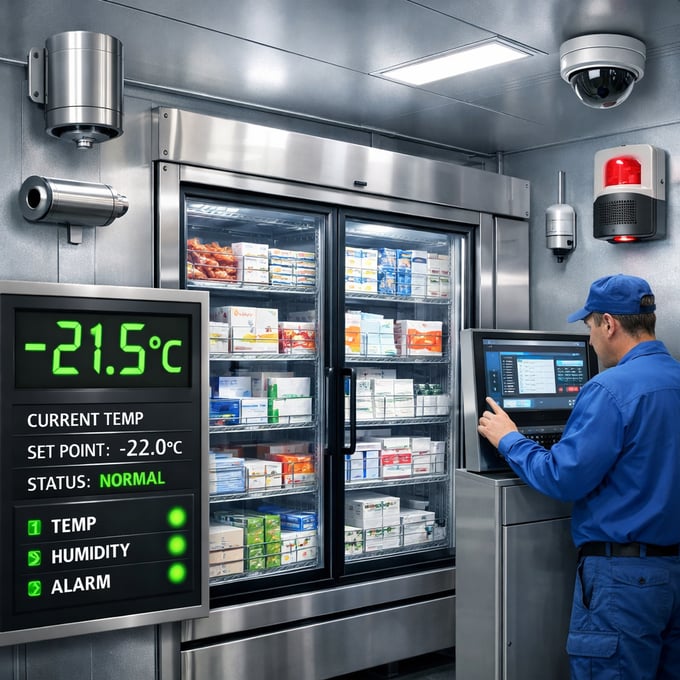
Industrial Freezer Sensors: The Complete Guide to Temperature Monitoring Systems


Industrial Freezer Sensors: The Complete Guide to Temperature Monitoring Systems
When it comes to protecting valuable inventory in industrial freezers, temperature monitoring isn't just important—it's critical. A reliable freezer sensor system can mean the difference between maintaining product integrity and facing catastrophic losses. Whether you're managing a food processing facility, pharmaceutical storage, or any operation requiring precise temperature control, understanding freezer sensors is essential for your success.
Understanding Industrial Freezer Sensors
Industrial freezer sensors are sophisticated monitoring devices designed to maintain precise temperature control in commercial and industrial freezer units. These sensors continuously measure temperature conditions and can trigger alerts when readings fall outside preset parameters. Unlike basic household freezer thermometers, industrial sensors offer advanced features for regulatory compliance, data logging, and remote monitoring capabilities.
Key Components of a Freezer Sensor System
| Component | Function |
|---|---|
| Temperature Probe | Measures actual temperature within the freezer environment |
| Signal Transmitter | Converts temperature readings into digital data |
| Control Unit | Processes sensor data and manages system responses |
| Alert System | Notifies personnel of temperature deviations |
Types of Industrial Freezer Sensors
Several types of sensors are commonly used in industrial freezer applications, each with specific advantages:
1. Resistance Temperature Detectors (RTDs)
RTDs offer exceptional accuracy and stability, making them ideal for critical temperature monitoring applications. These sensors use the principle of electrical resistance changing with temperature to provide precise measurements across a wide range.
2. Thermocouples
Thermocouples are versatile sensors that can operate in extreme temperatures. They're particularly useful in industrial freezers because they're durable, respond quickly to temperature changes, and are cost-effective.
3. Thermistors
These sensors excel in applications requiring high sensitivity over a narrow temperature range. They're often used in combination with other sensor types for comprehensive monitoring solutions.
Critical Features of Modern Freezer Monitoring Systems
Today's industrial freezer sensors incorporate advanced features that go beyond simple temperature measurement:
Remote Monitoring Capabilities
Modern systems allow facility managers to monitor freezer conditions from anywhere using mobile devices or computers. This remote access capability ensures immediate response to potential issues, even during off-hours.
Data Logging and Analysis
Comprehensive data logging features help maintain regulatory compliance and provide valuable insights for optimization. Systems can store temperature readings, alert histories, and maintenance records for extended periods.
Integration with Alarm Systems
Advanced freezer sensors can integrate with existing alarm systems, enabling:
| Alert Type | Response |
|---|---|
| Temperature Deviation | Immediate notification via text, email, or phone |
| Power Failure | Backup system activation and alert dispatch |
| Door Open | Warning signals and automated logging |
Implementing an Effective Freezer Monitoring Solution
Successfully implementing a freezer sensor system requires careful planning and consideration of several factors:
Sensor Placement
Strategic sensor placement is crucial for accurate temperature monitoring. Consider factors such as:
- Air flow patterns - Door locations - Product storage arrangements - Temperature stratification zonesCalibration and Maintenance
Regular calibration ensures continued accuracy of your freezer sensors. Establish a maintenance schedule that includes:
- Monthly accuracy checks - Quarterly calibration verification - Annual comprehensive system review - Documentation of all maintenance activitiesThe Role of Automation in Freezer Monitoring
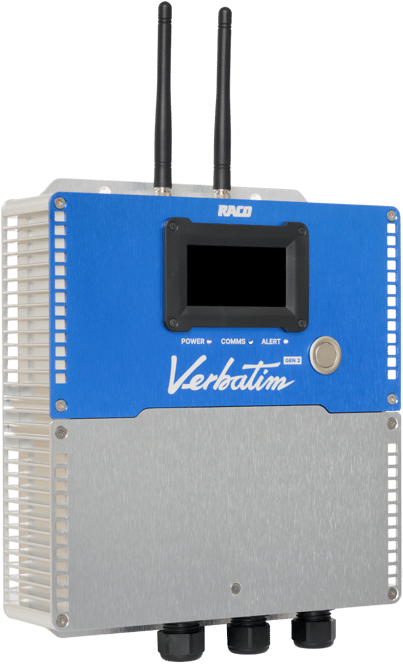
Automation plays a crucial role in modern freezer monitoring systems. RACO Manufacturing & Engineering's advanced alarm systems can integrate with freezer sensors to provide comprehensive monitoring solutions that include:
Automated Alert Systems
When temperature deviations occur, automated systems can:
- Initiate emergency protocols - Contact designated personnel - Log incident details - Activate backup systemsPredictive Maintenance
Advanced monitoring systems can predict potential issues before they become critical problems by analyzing trends in temperature data and system performance metrics.
Regulatory Compliance and Documentation
Industrial freezer sensors play a crucial role in maintaining regulatory compliance. Modern systems help facilities meet requirements for:
| Regulation | Requirement |
|---|---|
| FDA 21 CFR Part 11 | Electronic records and signatures |
| HACCP | Critical control point monitoring |
| FSMA | Preventive controls and documentation |
Best Practices for Freezer Sensor Implementation
To maximize the effectiveness of your freezer sensor system:
1. Conduct thorough initial assessments 2. Develop comprehensive monitoring protocols 3. Train staff on system operation and maintenance 4. Establish clear emergency response procedures 5. Regularly review and update monitoring strategiesConclusion
Implementing an effective freezer sensor system is crucial for protecting valuable inventory and maintaining regulatory compliance. By understanding the various types of sensors available and following best practices for implementation, you can create a robust monitoring solution that meets your facility's specific needs.
Contact RACO Manufacturing & Engineering to learn how our alarm systems can integrate with your freezer sensors for comprehensive temperature monitoring and protection of your valuable assets.