

Intrinsically Safe Store: Complete Guide to Safety Equipment & Certification [2024]


Intrinsically Safe Store: Complete Guide to Safety Equipment & Certification [2024]
When operating in hazardous environments, particularly in wastewater treatment facilities, choosing the right intrinsically safe equipment isn't just about compliance—it's about protecting lives and assets. This comprehensive guide will help you navigate the intrinsically safe store landscape, ensuring you make informed decisions about critical safety equipment.
Understanding Intrinsic Safety: The Foundation of Hazardous Area Protection
Intrinsic safety is a protection method that prevents electrical equipment from releasing sufficient energy to ignite explosive atmospheres. This fundamental concept drives the design and selection of all equipment in an intrinsically safe store.
Key aspects of intrinsic safety include:
- Energy limitation in circuits
- Prevention of spark generation
- Temperature control of components
- Physical separation of dangerous elements
Essential Categories in an Intrinsically Safe Store
1. Monitoring and Control Equipment
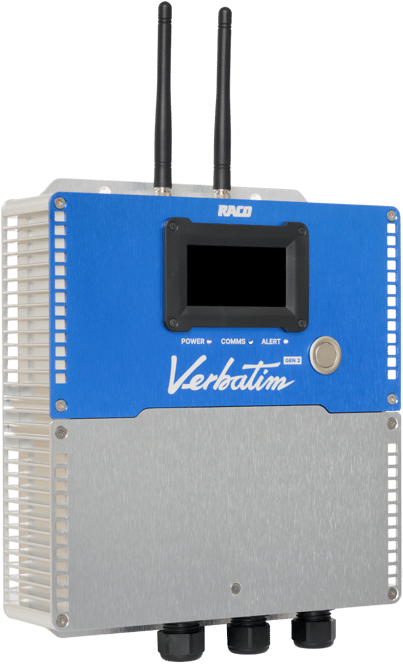
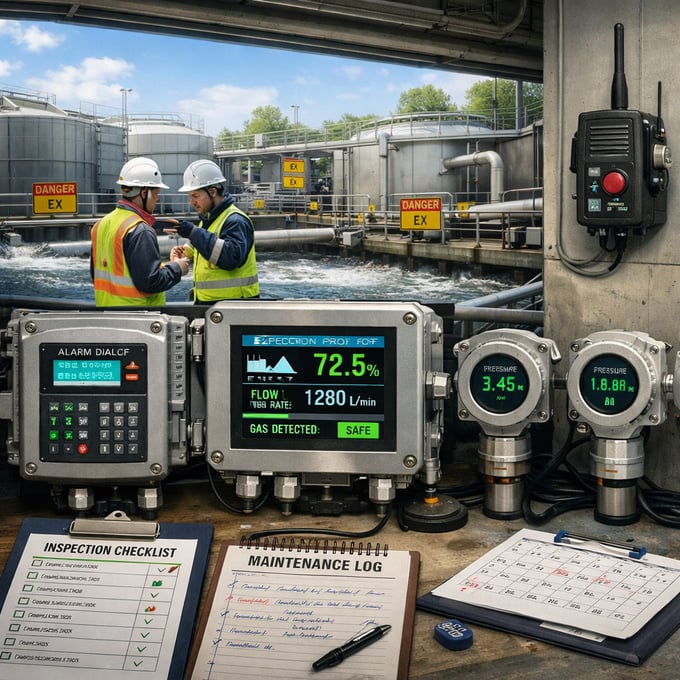
Modern wastewater facilities rely heavily on sophisticated monitoring systems. The RACO Verbatim Gateway, for instance, provides intrinsically safe monitoring solutions that integrate seamlessly with existing SCADA systems while maintaining the highest safety standards.
| Equipment Type | Common Applications | Safety Considerations |
|---|---|---|
| Alarm Dialers | Remote monitoring, Emergency notification | Class I, Div 1 certification |
| Level Sensors | Tank monitoring, Overflow prevention | Explosion-proof housing |
| Flow Meters | Process control, Usage tracking | Intrinsically safe barriers |
2. Communication Devices
Reliable communication is crucial in hazardous environments. Intrinsically safe communication devices must maintain functionality while eliminating ignition risks.
3. Testing and Measurement Tools
Accurate measurement tools designed for hazardous areas are essential for maintaining safety and efficiency in wastewater operations.
Certification Requirements for Intrinsically Safe Equipment
Understanding certification requirements is crucial when purchasing from an intrinsically safe store. Equipment must meet specific standards based on the intended environment:
| Classification | Description | Typical Applications |
|---|---|---|
| Class I | Flammable gases/vapors | Wastewater treatment, Chemical processing |
| Class II | Combustible dust | Grain handling, Coal processing |
| Class III | Ignitable fibers | Textile manufacturing, Wood processing |
Selecting the Right Equipment for Your Facility
When browsing an intrinsically safe store, consider these critical factors:
1. Environmental Assessment
Evaluate your facility's specific hazards and requirements. This includes:
- Identifying hazardous area classifications
- Understanding operational requirements
- Assessing environmental conditions
2. Compatibility Verification
Ensure new equipment integrates with existing systems. RACO's solutions, for example, are designed to work seamlessly with various industrial protocols and communication standards.
Maintenance and Compliance Requirements
Regular maintenance of intrinsically safe equipment is crucial for ongoing safety and compliance:
1. Inspection Schedules
Develop and maintain regular inspection schedules for all intrinsically safe equipment. This should include:
- Visual inspections for physical damage
- Performance testing
- Certification verification
2. Documentation Requirements
Maintain comprehensive records of:
- Equipment certifications
- Maintenance history
- Inspection reports
- Calibration records
Cost Considerations and ROI
While intrinsically safe equipment often requires a higher initial investment, the long-term benefits include:
- Reduced insurance costs
- Prevention of costly accidents
- Extended equipment lifespan
- Improved operational efficiency
Future Trends in Intrinsically Safe Equipment
The intrinsically safe store landscape is evolving with new technologies and capabilities:
- Integration of IoT capabilities
- Enhanced wireless communication options
- Improved energy efficiency
- Advanced diagnostic capabilities
Conclusion: Making Informed Safety Decisions
Selecting the right equipment from an intrinsically safe store requires careful consideration of multiple factors. By understanding certification requirements, assessing facility needs, and maintaining proper documentation, you can ensure both compliance and optimal performance of your safety systems.
For expert guidance on intrinsically safe monitoring and alarm systems, contact RACO Manufacturing & Engineering. Our team can help you select and implement the right solutions for your specific needs.
Recommended Internal Links:
- Alarm Monitoring Systems
- SCADA Integration
- Remote Monitoring Solutions
- Wastewater Treatment Automation
- Industrial Communication Systems