

Intrinsically Safe Tablets: The Complete Guide to Hazardous Location Computing [2024]


Intrinsically Safe Tablets: The Complete Guide to Hazardous Location Computing [2024]
In hazardous industrial environments where explosive gases, vapors, or dust are present, standard electronic devices pose significant safety risks. Intrinsically safe tablets have emerged as essential tools for maintaining operational efficiency while ensuring workplace safety in these challenging environments. This comprehensive guide explores everything you need to know about these specialized devices and how they're transforming industrial operations.
What Are Intrinsically Safe Tablets?
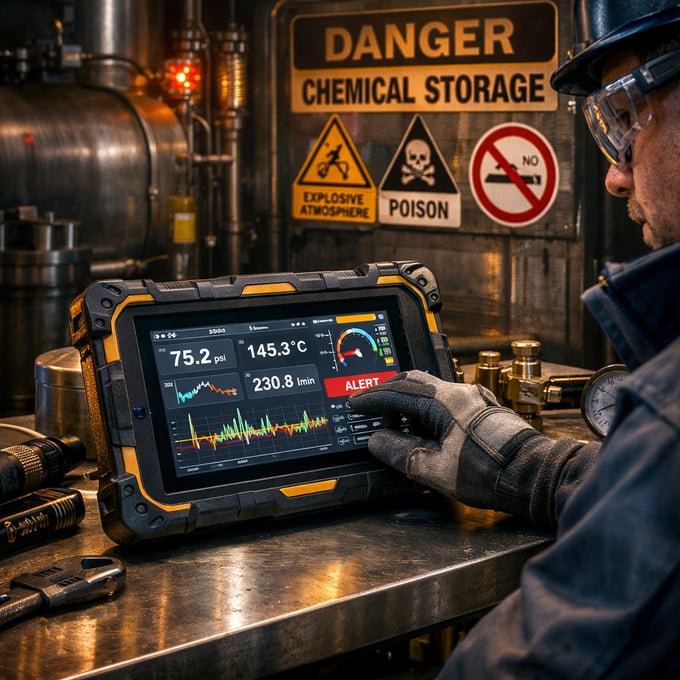
Intrinsically safe tablets are specialized mobile computing devices designed and certified to operate safely in hazardous locations. Unlike conventional tablets, these devices are engineered to prevent the release of sufficient electrical or thermal energy that could ignite explosive atmospheres. They achieve this through careful circuit design, component selection, and robust protective enclosures.
Key Features of Intrinsically Safe Tablets:
| Feature | Purpose |
|---|---|
| Energy Limitation | Restricts electrical energy to prevent spark generation |
| Sealed Enclosure | Prevents explosive gases from entering device internals |
| Thermal Management | Controls surface temperatures to prevent ignition |
| Impact Protection | Ensures device integrity during drops or impacts |
Applications in Industrial Settings
Intrinsically safe tablets serve crucial roles across various industries where hazardous conditions exist:
Wastewater Treatment Facilities
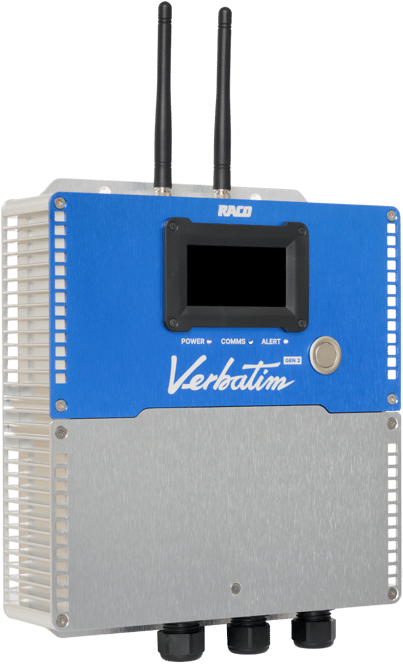
In wastewater treatment plants, these tablets enable operators to safely monitor and control processes where methane and other explosive gases are present. They integrate seamlessly with SCADA systems and remote monitoring solutions like RACO's Catalyst and Verbatim systems, providing real-time data access while maintaining safety compliance.
Oil and Gas Operations
Field technicians use these devices for maintenance checks, data collection, and system monitoring in areas where hydrocarbon vapors create potentially explosive atmospheres.
Chemical Manufacturing
These tablets allow workers to access digital procedures, record data, and monitor production processes in areas where volatile chemicals are present.
Understanding Hazardous Location Classifications
Intrinsically safe tablets are certified for specific hazardous location classifications. Understanding these classifications is crucial for selecting the appropriate device:
Class I, II, and III Locations
These classifications define the type of hazardous material present:
| Class | Hazard Type | Common Locations |
|---|---|---|
| Class I | Flammable gases or vapors | Wastewater treatment, refineries |
| Class II | Combustible dust | Grain handling, coal processing |
| Class III | Ignitable fibers/flyings | Textile manufacturing, woodworking |
Key Considerations When Selecting Intrinsically Safe Tablets
1. Certification Requirements
Ensure the tablet meets the specific certification requirements for your hazardous location. Look for certifications from recognized bodies such as UL, ATEX, or IECEx.
2. Performance Specifications
Consider these essential performance factors:
- Processing power for required applications - Battery life for full shift operation - Screen visibility in various lighting conditions - Connectivity options (Wi-Fi, Bluetooth, cellular) - Integration capabilities with existing systems3. Environmental Factors
Evaluate the tablet's resistance to:
- Temperature extremes - Moisture and water exposure - Dust and particulate matter - Physical impacts and vibrationsIntegration with Industrial Control Systems
Modern intrinsically safe tablets can integrate with various industrial control and monitoring systems. When paired with advanced alarm monitoring systems like RACO's Catalyst platform, these tablets enable:
- Real-time access to system data and alerts - Remote control capabilities - Documentation and reporting functions - Maintenance scheduling and tracking - Compliance monitoring and reportingBest Practices for Implementation
Successfully implementing intrinsically safe tablets requires careful planning and consideration of several factors:
Training Requirements
Develop comprehensive training programs covering:
- Device operation and maintenance - Safety protocols and procedures - Emergency response procedures - Data security and access controlsMaintenance and Support
Establish clear procedures for:
- Regular device inspection and maintenance - Battery management and replacement - Software updates and security patches - Technical support and troubleshootingFuture Trends in Intrinsically Safe Computing
The field of intrinsically safe tablets continues to evolve with emerging technologies:
- Enhanced connectivity options including 5G capabilities - Improved battery technology for longer operation - Advanced sensor integration - Augmented reality applications for maintenance and training - Artificial intelligence for predictive maintenanceConclusion
Intrinsically safe tablets represent a crucial advancement in industrial computing, enabling safe and efficient operations in hazardous locations. When properly selected and implemented, these devices can significantly improve productivity while maintaining the highest safety standards. As technology continues to advance, we can expect even more capable and versatile solutions for hazardous location computing.
For more information about integrating intrinsically safe tablets with industrial monitoring and control systems, contact RACO Manufacturing & Engineering's expert team or explore our range of compatible solutions.