

IoT Remote Monitoring Solutions: Revolutionizing Wastewater Management in 2024


IoT Remote Monitoring Solutions: Revolutionizing Wastewater Management in 2024
The wastewater industry faces unprecedented challenges in maintaining infrastructure, ensuring regulatory compliance, and optimizing operational efficiency. IoT remote monitoring solutions have emerged as the cornerstone of modern wastewater management, offering real-time insights and control capabilities that were unimaginable just a decade ago. This comprehensive guide explores how these innovative solutions are transforming the industry and why they're essential for modern wastewater operations.
Understanding IoT Remote Monitoring Solutions
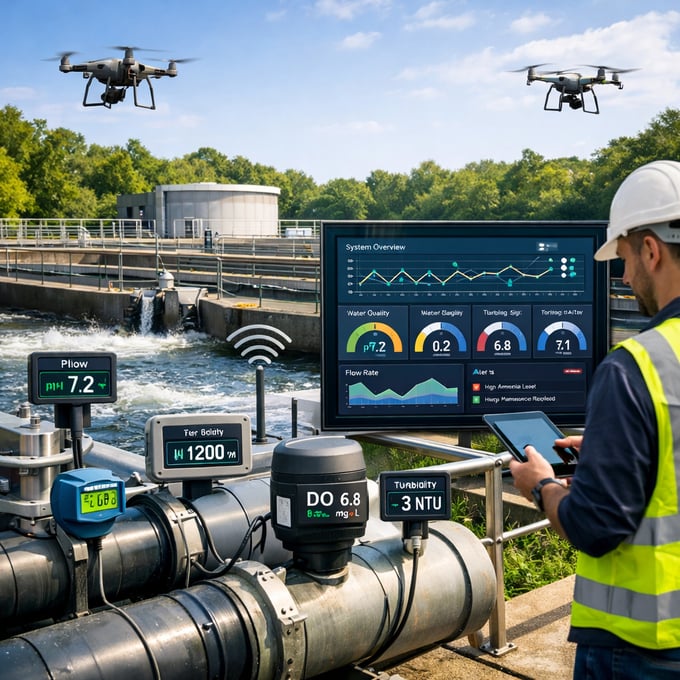
An IoT remote monitoring solution combines sensors, communication networks, and sophisticated software to provide real-time visibility into wastewater operations. These systems collect, analyze, and transmit data from various points in the wastewater treatment process, enabling operators to make informed decisions from anywhere in the world.
Key Components of IoT Monitoring Systems
| Component | Function | Benefits |
|---|---|---|
| Sensors | Data collection from equipment and processes | Real-time monitoring of critical parameters |
| Communication Network | Data transmission | Reliable connectivity across facilities |
| Analytics Platform | Data processing and analysis | Actionable insights and predictive maintenance |
| User Interface | Data visualization and control | Easy access to system information |
Benefits of Implementing IoT Remote Monitoring Solutions
1. Enhanced Operational Efficiency
Remote monitoring solutions dramatically improve operational efficiency by providing:
- Real-time performance metrics with detailed analysis and trending
- Automated alerts for system anomalies and potential issues
- Reduced need for physical site visits and manual inspections
- Optimized resource allocation based on actual system demands
2. Predictive Maintenance Capabilities
Modern IoT solutions incorporate advanced analytics that can predict equipment failures before they occur. This predictive approach allows facilities to:
- Schedule maintenance activities more effectively
- Reduce unexpected downtime
- Extend equipment life through proper maintenance timing
- Lower overall maintenance costs
Critical Features of Effective IoT Remote Monitoring Solutions
Real-Time Alerting and Notification Systems
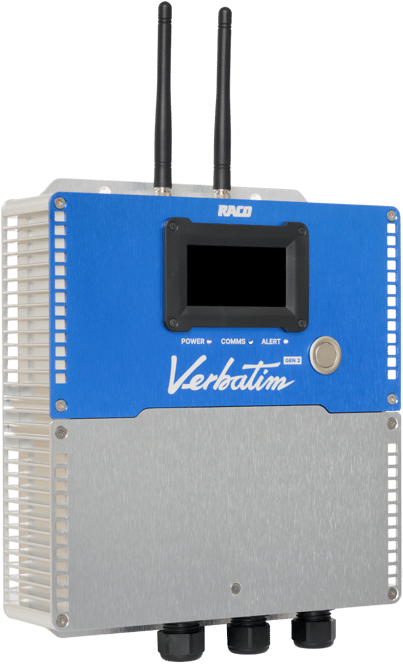
RACO's Catalyst® monitoring system exemplifies modern IoT capabilities by providing instantaneous alerts through multiple channels, including:
- SMS text messages
- Email notifications
- Voice calls
- Mobile app push notifications
Data Analytics and Reporting
Advanced analytics capabilities are essential for:
| Feature | Application | Impact |
|---|---|---|
| Trend Analysis | Historical data comparison | Better decision-making |
| Custom Reports | Regulatory compliance | Simplified reporting |
| Performance Metrics | System optimization | Improved efficiency |
Implementation Best Practices
Successfully deploying an IoT remote monitoring solution requires careful planning and execution:
1. Assessment and Planning
Begin with a thorough evaluation of your facility's needs:
- Identify critical monitoring points
- Assess existing infrastructure compatibility
- Determine communication requirements
- Define success metrics
2. Security Considerations
Implement robust security measures to protect sensitive data:
- End-to-end encryption
- Multi-factor authentication
- Regular security audits
- Access control protocols
Future Trends in IoT Remote Monitoring
The future of IoT remote monitoring solutions is evolving rapidly, with several emerging trends:
| Trend | Description | Expected Impact |
|---|---|---|
| AI Integration | Advanced pattern recognition and decision support | Enhanced automation and efficiency |
| 5G Connectivity | Faster, more reliable data transmission | Improved real-time monitoring capabilities |
| Edge Computing | Local data processing and analysis | Reduced latency and bandwidth usage |
Choosing the Right IoT Remote Monitoring Solution
When selecting an IoT remote monitoring solution, consider these crucial factors:
1. Scalability
Ensure the solution can grow with your facility's needs and accommodate future expansion.
2. Integration Capabilities
Look for systems that can easily integrate with your existing infrastructure and other software platforms.
3. Support and Maintenance
Choose a provider with strong technical support and a proven track record in the wastewater industry.
Conclusion
IoT remote monitoring solutions have become indispensable in modern wastewater management. By providing real-time insights, predictive maintenance capabilities, and enhanced operational efficiency, these systems help facilities meet their operational goals while ensuring regulatory compliance. As technology continues to evolve, the capabilities of these solutions will only expand, making them an even more valuable investment for wastewater treatment facilities.
For more information about implementing an IoT remote monitoring solution for your facility, contact RACO Manufacturing & Engineering to discuss how our Catalyst® system can meet your specific needs.