

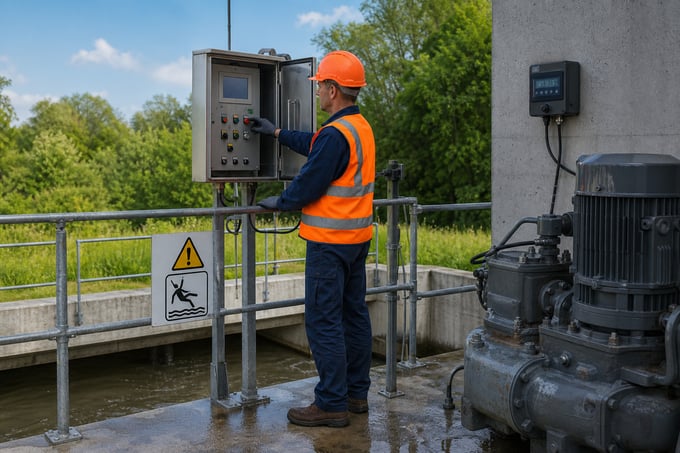
Lift Station Maintenance: A Comprehensive Guide to Best Practices and Preventive Care


Lift Station Maintenance: A Comprehensive Guide to Best Practices and Preventive Care
Proper lift station maintenance is crucial for maintaining the efficiency and longevity of wastewater management systems. As critical components of municipal and industrial infrastructure, lift stations require regular attention to prevent costly failures, environmental hazards, and regulatory compliance issues. This comprehensive guide will explore essential maintenance practices, common challenges, and innovative solutions for keeping your lift stations operating at peak performance.
Understanding the Importance of Lift Station Maintenance
Lift stations are vital components in wastewater collection systems, responsible for pumping sewage from lower to higher elevations when gravity flow isn't feasible. Without proper maintenance, these systems can fail, leading to:
- Sewage backups and overflows
- Environmental contamination
- Public health risks
- Regulatory violations and fines
- Expensive emergency repairs
Essential Components of a Lift Station Maintenance Program
1. Regular Inspection Schedule
A robust maintenance program begins with consistent inspections. Establish a schedule that includes:
| Frequency | Inspection Tasks |
|---|---|
| Daily | - Check pump operation status - Monitor alarm systems - Visual inspection of control panels |
| Weekly | - Test backup power systems - Check float switches - Inspect wet well conditions |
| Monthly | - Clean level sensors - Test all alarms - Verify communication systems |
| Quarterly | - Full pump inspection - Electrical system testing - Mechanical component assessment |
2. Pump Maintenance
Pumps are the heart of any lift station system. Proper maintenance includes:
Mechanical Maintenance:
- Checking and adjusting seal water systems
- Inspecting and replacing worn impellers
- Monitoring bearing temperature and lubrication
- Verifying proper alignment and coupling condition
Electrical Maintenance:
- Testing motor insulation resistance
- Checking amperage draws
- Inspecting starter contacts
- Verifying proper grounding
3. Wet Well Management
Proper wet well maintenance is crucial for preventing common operational issues:
Regular Cleaning Schedule:
- Remove accumulated debris and grease
- Clean walls to prevent grease buildup
- Inspect for structural integrity
- Monitor ventilation systems
Advanced Monitoring and Control Systems
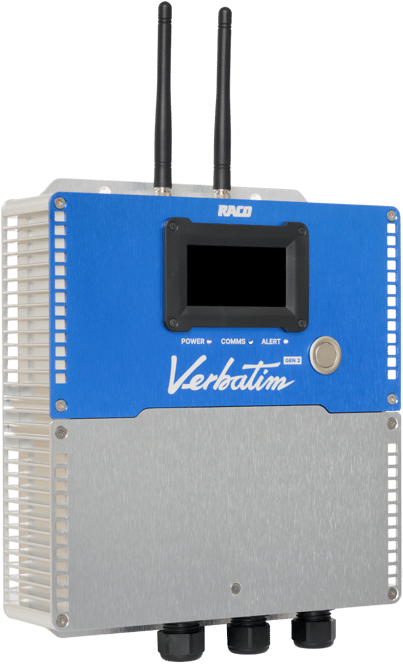
Modern lift station maintenance benefits significantly from advanced monitoring solutions. RACO Manufacturing & Engineering's Verbatim® Remote Monitoring Systems provide:
- Real-time alarm notifications
- Remote pump control capabilities
- Data logging for trend analysis
- Predictive maintenance insights
Benefits of Remote Monitoring
Implementing remote monitoring systems offers numerous advantages:
| Benefit | Impact |
|---|---|
| Reduced Response Time | Immediate notification of issues allows for faster response and reduced downtime |
| Cost Savings | Preventive maintenance reduces emergency repair costs and extends equipment life |
| Improved Efficiency | Remote monitoring reduces unnecessary site visits and optimizes maintenance schedules |
| Better Compliance | Automated reporting and documentation help maintain regulatory compliance |
Troubleshooting Common Lift Station Problems
Even with regular maintenance, issues can arise. Here's how to address common problems:
1. Pump Clogging
Prevention strategies include:
- Installing proper screening systems
- Regular impeller inspection and cleaning
- Monitoring pump performance metrics
2. Control System Failures
Address these issues by:
- Regular calibration of level sensors
- Maintaining backup power systems
- Implementing redundant control mechanisms
Safety Considerations in Lift Station Maintenance
Safety should always be the top priority in lift station maintenance:
- Proper confined space entry procedures
- Personal protective equipment requirements
- Lock-out/tag-out protocols
- Emergency response planning
Documentation and Record Keeping
Maintain detailed records of:
- Maintenance activities and schedules
- Equipment repairs and replacements
- Performance data and trends
- Incident reports and resolutions
Conclusion
Effective lift station maintenance requires a comprehensive approach combining regular inspections, preventive maintenance, and modern monitoring solutions. By implementing the practices outlined in this guide and utilizing advanced monitoring systems like RACO's Verbatim® technology, operators can ensure reliable operation, reduce costs, and maintain regulatory compliance.
For more information about how RACO's remote monitoring solutions can enhance your lift station maintenance program, contact our experts today.