

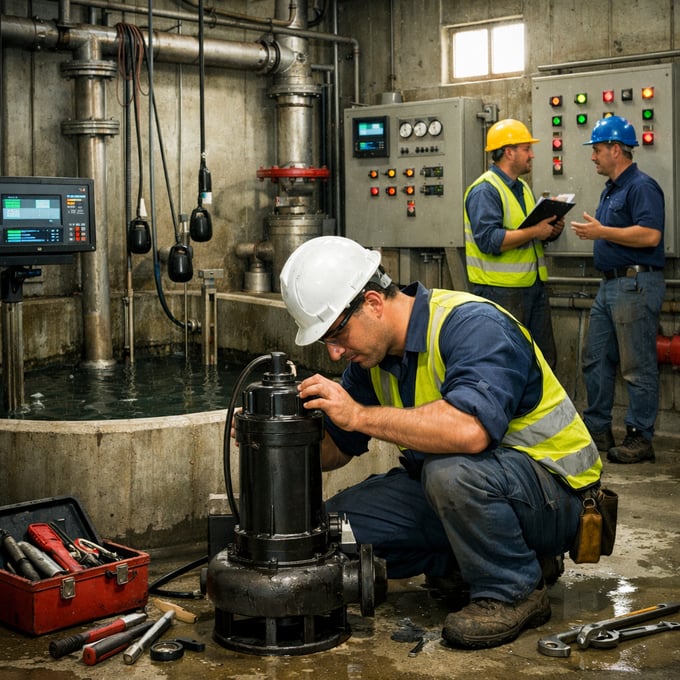
Lift Station Repair: The Complete Guide to Maintenance, Troubleshooting, and Repairs (2024)


Lift Station Repair: The Complete Guide to Maintenance, Troubleshooting, and Repairs (2024)
Lift stations are critical components of wastewater infrastructure, and their proper maintenance and repair are essential for preventing system failures, environmental hazards, and costly emergencies. This comprehensive guide will walk you through everything you need to know about lift station repair, from routine maintenance to emergency troubleshooting.
Understanding Lift Station Components and Common Issues
Before diving into repair procedures, it's crucial to understand the key components of a lift station and their potential failure points:
| Component | Function | Common Issues |
|---|---|---|
| Submersible Pumps | Transport wastewater to higher elevations | Clogging, bearing failure, seal failures |
| Float Switches | Control pump operation based on water levels | Mechanical failure, incorrect positioning |
| Control Panel | Manages pump operation and monitoring | Electrical issues, communication failures |
| Check Valves | Prevent backflow | Stuck valve, seal deterioration |
Preventive Maintenance: The Foundation of Reliable Operation
Regular maintenance is crucial for preventing major lift station repairs. Here's a detailed maintenance schedule that operators should follow:
Daily Inspections
- Check pump operation and unusual noises - Monitor wet well levels - Verify alarm systems - Record pump run times
Weekly Maintenance
- Clean float switches - Inspect check valves - Test backup power systems - Check ventilation systems
Monthly Tasks
- Measure and record amperage readings - Test all alarms and monitoring systems - Inspect structural components - Clean wet well as needed
Common Lift Station Problems and Their Solutions
1. Pump Clogging
Pump clogging is one of the most frequent issues requiring lift station repair. Modern pumps with advanced impeller designs help reduce clogging, but when it occurs:
- Shut down the affected pump - Remove debris using specialized tools - Inspect impeller for damage - Consider installing grinding mechanisms
2. Electrical Control Issues
Electrical problems can cause complete system failure. Common solutions include:
- Regular inspection of all electrical connections - Replacement of corroded components - Installation of surge protection devices - Implementation of remote monitoring systems
Advanced Troubleshooting Techniques
When dealing with complex lift station repairs, systematic troubleshooting is essential:
| Symptom | Possible Causes | Diagnostic Steps |
|---|---|---|
| Pump Won't Start | Power issues, float failure, control malfunction | Check power supply, verify float operation, inspect controls |
| Excessive Noise | Bearing failure, cavitation, impeller damage | Check rotation, inspect bearings, measure vibration |
| Reduced Flow | Clogging, worn impeller, air binding | Clean pump, check impeller clearance, verify venting |
Modernizing Lift Station Operations
Modern technology has revolutionized lift station repair and maintenance. Consider implementing:
Remote Monitoring Systems
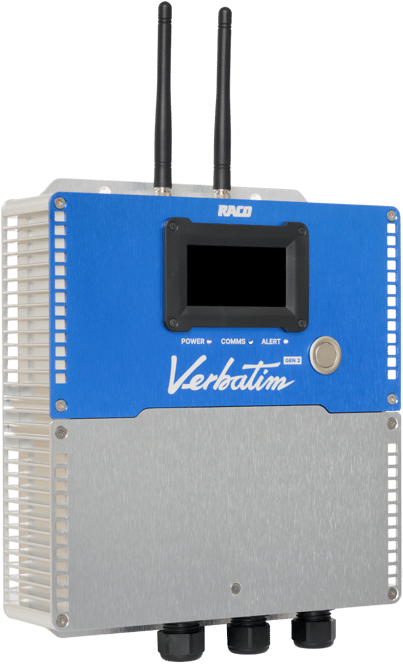
RACO's Verbatim Gateway provides real-time monitoring and alerts for lift station operations, enabling:
- Immediate notification of problems - Trend analysis for predictive maintenance - Remote troubleshooting capabilities - Reduced emergency repair costs
Smart Sensors and Analytics
Advanced sensing technology helps prevent repairs through:
- Early detection of potential failures - Performance optimization - Energy efficiency monitoring - Predictive maintenance scheduling
Emergency Repair Procedures
When emergency lift station repair is necessary, follow these critical steps:
1. Safety First
- Implement confined space entry procedures - Verify proper ventilation - Use appropriate PPE - Follow lockout/tagout procedures
2. Assessment and Documentation
- Document all observations - Take photographs - Record operational parameters - Note any unusual conditions
3. Repair Execution
- Follow manufacturer specifications - Use proper tools and equipment - Document all repairs - Test thoroughly before returning to service
Cost Considerations in Lift Station Repair
Understanding the financial aspects of lift station repair helps in budgeting and decision-making:
| Repair Type | Typical Cost Range | Factors Affecting Cost |
|---|---|---|
| Routine Maintenance | $500-$2,000 | Station size, accessibility |
| Pump Replacement | $5,000-$25,000 | Pump size, type, installation requirements |
| Control System Upgrade | $10,000-$50,000 | System complexity, monitoring capabilities |
Conclusion: Ensuring Long-Term Reliability
Effective lift station repair requires a combination of regular maintenance, prompt attention to issues, and modern monitoring solutions. By implementing the strategies outlined in this guide and utilizing advanced monitoring systems like RACO's Verbatim Gateway, operators can significantly reduce emergency repairs and maintain optimal system performance.
For more information about how RACO's monitoring solutions can help prevent lift station failures and reduce repair costs, contact our experts today.