


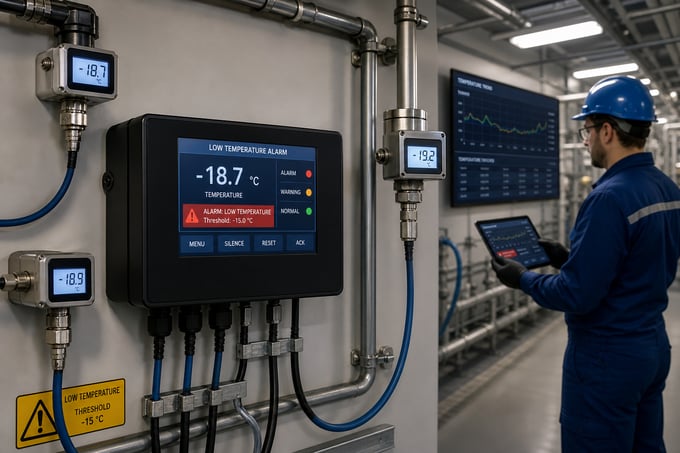
Low Temperature Alarm Systems: The Complete Guide to Freeze Protection Monitoring


Low Temperature Alarm Systems: The Complete Guide to Freeze Protection Monitoring
When temperatures plummet, the risk of frozen pipes and equipment failure skyrockets. A low temperature alarm system serves as your first line of defense against costly freeze damage in both industrial and residential settings. This comprehensive guide explores everything you need to know about these critical monitoring systems, from their essential functions to implementation strategies.
Understanding Low Temperature Alarms: The Basics
A low temperature alarm is a specialized monitoring device that alerts facility managers, homeowners, or operators when temperatures fall below a predetermined threshold. These systems are crucial for:
- Preventing pipe freezing and bursting
- Protecting sensitive equipment and processes
- Maintaining regulatory compliance in temperature-sensitive environments
- Safeguarding valuable inventory and materials
Critical Applications for Low Temperature Monitoring
Low temperature alarms find essential applications across various industries and settings:
| Industry | Application | Critical Temperature Range |
|---|---|---|
| Water/Wastewater | Pipe freeze protection | 32°F (0°C) |
| Pharmaceutical | Storage facilities | 35-46°F (2-8°C) |
| Food Service | Cold storage | 33-40°F (0.5-4°C) |
| Manufacturing | Process protection | Variable |
Key Components of an Effective Low Temperature Alarm System
A comprehensive low temperature alarm system consists of several crucial components working in harmony:
1. Temperature Sensors
High-precision temperature sensors form the foundation of any low temperature alarm system. These devices continuously monitor ambient conditions and transmit data to the control unit. Modern sensors offer:
- Accuracy within ±0.5°F
- Quick response times
- Environmental resistance
- Extended battery life
2. Control Units
The control unit processes information from sensors and triggers alerts when necessary. Advanced units provide:
- Multiple zone monitoring
- Customizable alarm thresholds
- Data logging capabilities
- Remote access features
3. Communication Systems
Modern low temperature alarms utilize various communication methods to ensure alerts reach the right personnel:
- SMS text messages
- Email notifications
- Voice calls
- Integration with SCADA systems
Implementing a Low Temperature Alarm Strategy
Successfully implementing a low temperature alarm system requires careful planning and consideration of several factors:
Site Assessment
Begin with a thorough evaluation of your facility:
- Identify critical areas requiring monitoring
- Map potential cold spots
- Assess existing infrastructure
- Determine power source availability
System Selection Criteria
Consider these crucial factors when choosing a low temperature alarm system:
| Feature | Importance | Considerations |
|---|---|---|
| Reliability | Critical | Backup power, redundancy |
| Scalability | High | Future expansion needs |
| Integration | Medium | Existing systems compatibility |
| Cost | Variable | Initial vs. long-term expenses |
Best Practices for Low Temperature Alarm Management
Maximize the effectiveness of your low temperature alarm system with these proven practices:
Regular Maintenance
Implement a comprehensive maintenance schedule including:
- Monthly sensor calibration checks
- Quarterly system tests
- Annual comprehensive reviews
- Battery replacement schedules
Staff Training
Ensure all relevant personnel understand:
- System operation procedures
- Alert response protocols
- Troubleshooting basics
- Emergency procedures
Advanced Features and Technologies
Modern low temperature alarm systems incorporate sophisticated features that enhance their effectiveness:
Smart Integration
Today's systems often include:
- Cloud-based monitoring
- Mobile app control
- AI-powered predictive analytics
- Automated response systems
Cost Considerations and ROI
While implementing a low temperature alarm system requires initial investment, the return on investment (ROI) can be substantial:
| Cost Factor | Typical Range | ROI Consideration |
|---|---|---|
| Initial Equipment | $500-$5000 | Prevention of single freeze event |
| Installation | $200-$2000 | Reduced maintenance costs |
| Monitoring Services | $20-$100/month | Insurance premium reduction |
Conclusion: Protecting Your Assets with Low Temperature Alarms
A well-implemented low temperature alarm system is essential for protecting valuable assets and ensuring operational continuity. By understanding the components, following best practices, and leveraging modern technology, organizations can effectively safeguard against cold-weather risks. Regular maintenance, staff training, and system updates ensure optimal performance and reliable protection when temperatures drop.
For more information about implementing a low temperature alarm system in your facility, contact RACO Manufacturing & Engineering. Our experts can help you design and implement a custom solution tailored to your specific needs.


