

Moisture Alarm Systems: The Ultimate Guide to Protecting Your Assets from Water Damage


Moisture Alarm Systems: The Ultimate Guide to Protecting Your Assets from Water Damage
Water damage can devastate facilities, equipment, and infrastructure, leading to costly repairs and significant downtime. A reliable moisture alarm system serves as your first line of defense against these threats, providing early detection and immediate notification when water infiltration occurs. In this comprehensive guide, we'll explore everything you need to know about moisture alarm systems, their applications, and how they can safeguard your investments.
Understanding Moisture Alarm Systems
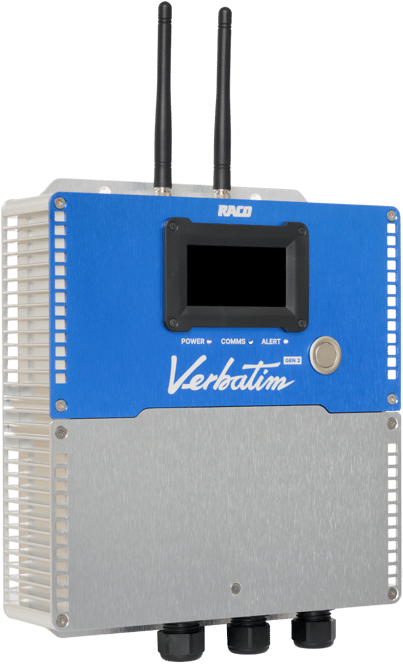
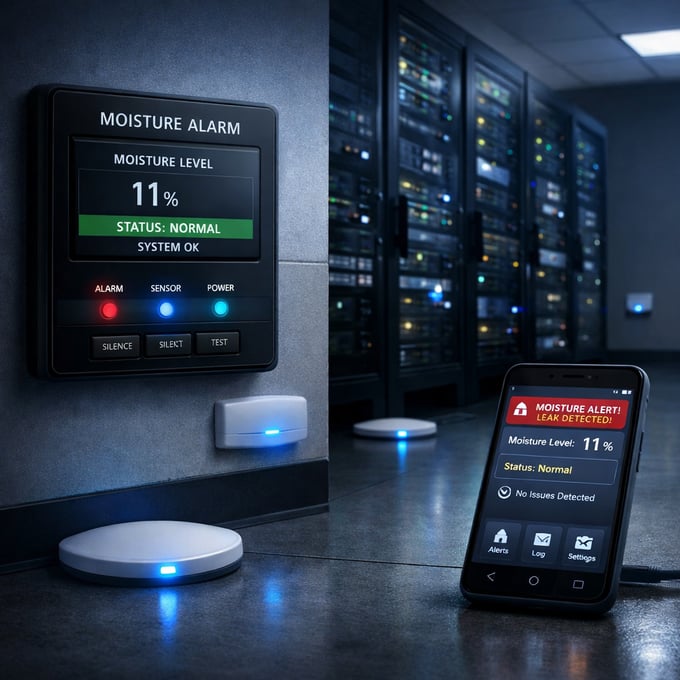
A moisture alarm is a specialized detection device designed to identify the presence of water or excessive moisture in areas where it shouldn't be. These systems typically consist of sensors, a control unit, and notification components that alert facility managers or homeowners when moisture levels exceed acceptable thresholds.
Key Components of a Moisture Alarm System
| Component | Function |
|---|---|
| Sensors | Detect presence of water or moisture |
| Control Unit | Processes sensor inputs and triggers alerts |
| Notification System | Delivers alerts via various channels (phone, email, SMS) |
| Power Supply | Ensures continuous system operation |
Applications of Moisture Alarm Systems
Moisture alarms find essential applications across various industries and settings:
Industrial Applications
In industrial environments, moisture alarms protect critical equipment, electrical systems, and valuable inventory. They're particularly crucial in:
- Manufacturing facilities
- Data centers
- Electrical rooms
- Storage warehouses
Commercial Buildings
Commercial properties utilize moisture alarms to protect:
- Server rooms
- Document storage areas
- Basement spaces
- HVAC systems
Benefits of Installing a Moisture Alarm System
Implementing a moisture alarm system offers numerous advantages:
1. Early Detection
Moisture alarms identify water presence before significant damage occurs, allowing for immediate response and minimizing potential losses.
2. Cost Savings
By preventing extensive water damage, these systems can save organizations thousands of dollars in repairs and replacement costs.
3. Asset Protection
Critical equipment and valuable materials remain protected from moisture-related damage, ensuring business continuity.
Choosing the Right Moisture Alarm System
When selecting a moisture alarm system, consider these crucial factors:
System Requirements
| Factor | Consideration |
|---|---|
| Coverage Area | Size and layout of space requiring protection |
| Sensitivity Needs | Required detection threshold for your application |
| Integration Capabilities | Compatibility with existing systems |
| Environmental Conditions | Temperature, humidity, and other environmental factors |
Best Practices for Moisture Alarm Installation
Proper installation ensures optimal system performance:
Installation Guidelines
- Sensor Placement: Position sensors in strategic locations where water is most likely to accumulate or cause damage.
- Wiring Considerations: Ensure proper cable routing and protection from physical damage.
- System Testing: Conduct regular tests to verify proper operation and sensitivity levels.
- Documentation: Maintain detailed records of installation, testing, and maintenance procedures.
Maintenance and Monitoring
Regular maintenance ensures reliable system operation:
Maintenance Schedule
| Task | Frequency |
|---|---|
| Sensor Testing | Monthly |
| System Calibration | Quarterly |
| Battery Replacement | Annually or as needed |
| Full System Inspection | Annually |
Advanced Features in Modern Moisture Alarm Systems
Today's moisture alarm systems offer sophisticated capabilities:
- Remote Monitoring: Access system status and alerts from anywhere via mobile devices
- Data Logging: Track moisture levels and system events over time
- Integration Options: Connect with building management systems and other monitoring platforms
- Smart Analytics: Predict potential issues before they become problems
Conclusion
A moisture alarm system represents a critical investment in protecting your assets from water damage. By understanding system components, applications, and maintenance requirements, you can make informed decisions about implementing these essential protective measures. Regular monitoring and maintenance ensure your system continues to provide reliable protection against moisture-related threats.
For expert guidance on selecting and implementing the right moisture alarm system for your facility, contact RACO Manufacturing & Engineering. Our team of specialists can help you design and deploy a solution that meets your specific needs.