


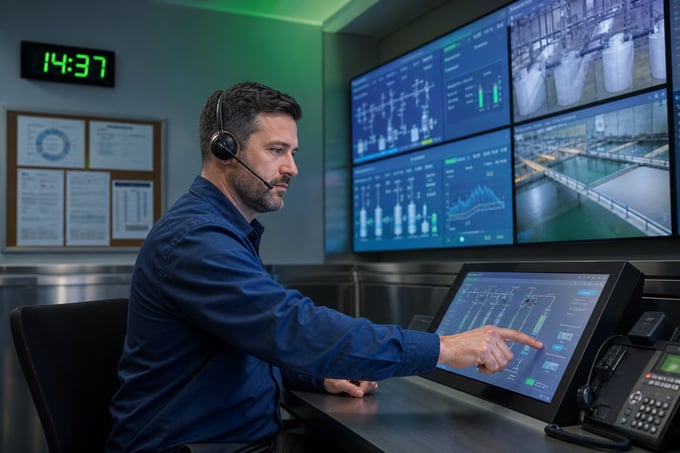
Phone Monitoring Systems: The Essential Guide to Remote Facility Management


Phone Monitoring Systems: The Essential Guide to Remote Facility Management
In today's fast-paced industrial environment, phone monitoring systems have become indispensable tools for facility managers, particularly in the wastewater industry. These sophisticated systems serve as the first line of defense against costly equipment failures and environmental disasters. But what exactly makes phone monitoring so crucial, and how can you implement it effectively in your facility?
Understanding Phone Monitoring Systems
Phone monitoring systems are automated communication solutions that provide real-time alerts and status updates about critical facility operations. These systems continuously monitor various parameters and automatically notify designated personnel when problems arise, ensuring rapid response to potential issues.
| Traditional Methods | Phone Monitoring Solutions |
|---|---|
| Manual checks | 24/7 automated monitoring |
| Delayed response times | Immediate notifications |
| Limited data collection | Comprehensive data logging |
| High labor costs | Reduced operational expenses |
Key Benefits of Phone Monitoring in Wastewater Management
Implementing phone monitoring systems in wastewater facilities offers numerous advantages that directly impact operational efficiency and regulatory compliance:
1. Immediate Alert Notification
When critical events occur, such as pump failures or high-level conditions, phone monitoring systems instantly notify appropriate personnel through various channels, including voice calls, text messages, or email alerts. This immediate notification can mean the difference between a minor issue and a major catastrophe.
2. Cost Reduction
By minimizing the need for constant on-site monitoring and preventing equipment damage through early detection, phone monitoring systems significantly reduce operational costs. Studies show that facilities using automated monitoring systems can save up to 30% on maintenance costs annually.
3. Compliance Management
Modern phone monitoring systems help facilities maintain compliance with environmental regulations by: - Recording all events and responses - Generating detailed reports for regulatory submissions - Maintaining audit trails of system activities - Documenting response times and resolution measures
Essential Features of Advanced Phone Monitoring Systems
When selecting a phone monitoring system, certain features are crucial for optimal performance:
Remote Access Capabilities
Modern systems like RACO's Verbatim Gateway allow operators to access system data and make adjustments from anywhere using secure internet connections. This remote capability ensures facility management never stops, even when personnel are off-site.
Customizable Alert Protocols
Different situations require different responses. Advanced phone monitoring systems enable customized alert protocols based on: - Event severity - Time of day - Personnel availability - Specific equipment parameters
Data Logging and Analysis
Comprehensive data collection and analysis capabilities help facilities: - Identify trends in equipment performance - Predict maintenance needs - Optimize operational efficiency - Support compliance reporting
Implementation Best Practices
Successfully implementing a phone monitoring system requires careful planning and execution:
1. Assessment Phase
Begin with a thorough evaluation of your facility's needs: - Identify critical monitoring points - Determine required alert parameters - Assess existing communication infrastructure - Define response protocols
2. System Selection
Choose a system that aligns with your specific requirements. RACO's AlarmAgent.com, for example, offers scalable solutions suitable for facilities of all sizes, with features including: - Multiple communication channels - Cloud-based monitoring - Integration capabilities - User-friendly interfaces
3. Installation and Training
Proper installation and staff training are crucial for system success: - Professional installation ensures optimal performance - Comprehensive training programs maximize system utilization - Regular updates maintain system effectiveness - Ongoing support ensures continuous operation
Future Trends in Phone Monitoring
The future of phone monitoring systems is evolving with technology advancements:
| Emerging Technology | Impact on Monitoring |
|---|---|
| AI Integration | Predictive maintenance capabilities |
| IoT Connectivity | Enhanced sensor networks |
| 5G Networks | Faster, more reliable communication |
| Cloud Computing | Improved data management |
Making the Right Choice for Your Facility
Selecting the appropriate phone monitoring system requires careful consideration of several factors:
System Scalability
Choose a solution that can grow with your facility's needs. RACO's systems are designed to accommodate expansion and technological advancement, ensuring long-term value for your investment.
Support and Service
Consider the level of support provided by the manufacturer. RACO offers comprehensive support services, including: - 24/7 technical assistance - Regular system updates - Preventive maintenance programs - Training resources
Conclusion
Phone monitoring systems have become essential tools in modern facility management, particularly in the wastewater industry. By providing immediate alerts, comprehensive data collection, and remote access capabilities, these systems help facilities maintain efficient operations while ensuring regulatory compliance. As technology continues to evolve, the capabilities of phone monitoring systems will only increase, making them an even more valuable investment for facility managers.
For more information about implementing effective phone monitoring solutions in your facility, contact RACO Manufacturing & Engineering's expert team or explore our complete range of monitoring solutions.


