

Phone Sensors: The Future of Remote Wastewater System Monitoring | RACO Sentinel


Phone Sensors: The Future of Remote Wastewater System Monitoring
In today's rapidly evolving wastewater management landscape, phone sensors have emerged as a game-changing technology for monitoring and controlling critical infrastructure. These sophisticated devices, integrated with modern alarm monitoring systems, are revolutionizing how utilities and municipalities manage their wastewater operations. Let's explore how phone sensors are transforming the industry and why they're becoming indispensable for efficient system management.
Understanding Phone Sensors in Wastewater Applications
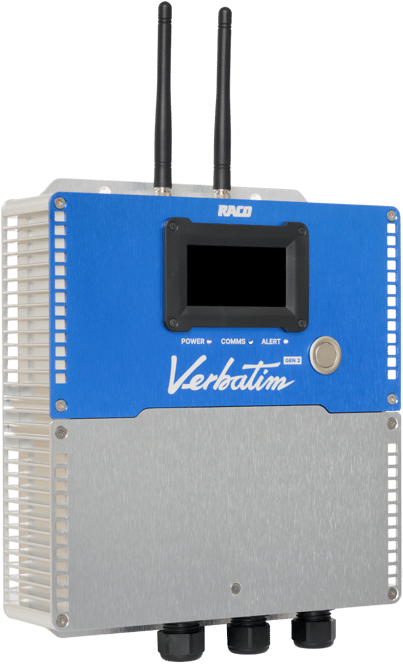
Phone sensors, when integrated with advanced monitoring systems like RACO's Catalyst, combine telecommunications technology with sophisticated sensing capabilities. These systems utilize various sensor types to monitor critical parameters in wastewater operations, immediately alerting operators when issues arise.
Key Components of Phone Sensor Systems
| Component | Function | Benefit |
|---|---|---|
| Cellular Module | Enables wireless communication | Real-time data transmission |
| Digital Sensors | Monitor system parameters | Accurate measurement |
| Processing Unit | Data analysis and decision-making | Intelligent monitoring |
| Power Management | Ensures continuous operation | Reliable monitoring |
Essential Applications in Wastewater Management
Phone sensors serve multiple critical functions in wastewater management systems:
1. Level Monitoring
Advanced level sensors connected to phone systems provide continuous monitoring of:
- Wet wells - Storage tanks - Treatment basins - Collection systems2. Flow Monitoring
Phone sensors track flow rates throughout the system, helping operators:
- Detect infiltration and inflow issues - Monitor treatment process efficiency - Ensure regulatory compliance - Optimize system performance3. Equipment Status Monitoring
Critical equipment monitoring includes:
- Pump operation status - Motor temperature - Vibration levels - Power consumptionBenefits of Implementing Phone Sensor Systems
Operational Efficiency
Phone sensors dramatically improve operational efficiency through:
- Real-time monitoring and alerts - Reduced need for physical inspections - Predictive maintenance capabilities - Automated reporting systemsCost Savings
Implementation of phone sensor systems leads to significant cost reductions:
- Lower labor costs through remote monitoring - Reduced emergency maintenance - Extended equipment life through early problem detection - Optimized energy consumptionEnhanced Safety
Safety improvements include:
- Reduced need for confined space entry - Early warning of hazardous conditions - Better emergency response coordination - Improved worker safety through remote monitoringIntegration with SCADA and Other Systems
Modern phone sensor systems seamlessly integrate with existing SCADA systems and other monitoring platforms. RACO's solutions offer:
| Integration Feature | Capability |
|---|---|
| Data Exchange | Bi-directional communication with existing systems |
| Protocol Support | Multiple industry-standard protocols |
| Custom Programming | Tailored solutions for specific needs |
| Scalability | Easy system expansion and upgrade paths |
Best Practices for Implementation
Successful implementation of phone sensor systems requires careful planning and execution:
1. System Assessment
Begin with a comprehensive evaluation of:
- Current monitoring needs - Existing infrastructure - Communication requirements - Future expansion plans2. Sensor Selection
Choose appropriate sensors based on:
- Application requirements - Environmental conditions - Accuracy needs - Maintenance considerations3. Installation and Configuration
Ensure proper installation through:
- Professional installation services - Thorough system testing - Staff training - DocumentationFuture Trends in Phone Sensor Technology
The future of phone sensor technology in wastewater management is promising, with several emerging trends:
Artificial Intelligence Integration
AI-enhanced phone sensors will offer:
- Predictive analytics - Automated decision-making - Pattern recognition - Enhanced system optimizationIoT Connectivity
Increased IoT integration will enable:
- Broader system connectivity - Enhanced data analysis - Improved system coordination - Better resource managementConclusion
Phone sensors represent a crucial advancement in wastewater system monitoring and management. By implementing these sophisticated monitoring solutions, utilities can significantly improve their operational efficiency, reduce costs, and enhance system reliability. RACO's expertise in alarm monitoring systems, combined with advanced phone sensor technology, provides wastewater operators with the tools they need to manage their systems effectively and confidently.