

Power Sensor Technology: A Complete Guide to Industrial Power Monitoring and Management


Power Sensor Technology: A Complete Guide to Industrial Power Monitoring and Management
In today's industrial landscape, effective power monitoring isn't just a luxury—it's a necessity. Power sensors serve as the frontline defense against electrical system failures, energy waste, and unexpected downtime. As a critical component in modern industrial operations, these devices provide real-time insights that can mean the difference between smooth operations and costly shutdowns.
Understanding Power Sensors: The Basics
A power sensor is a sophisticated device that measures electrical power parameters in real-time. These instruments monitor various aspects of electrical systems, including:
| Parameter | Description | Importance |
|---|---|---|
| Voltage | Electrical pressure in the system | Prevents equipment damage from surges |
| Current | Flow of electricity | Ensures system operates within safe limits |
| Power Factor | Efficiency of power usage | Optimizes energy consumption |
| Active Power | Actual power consumed | Determines operational costs |
Types of Power Sensors in Industrial Applications
Different industrial environments require specific types of power sensors. Here are the most common varieties:
1. Current Transformers (CTs)
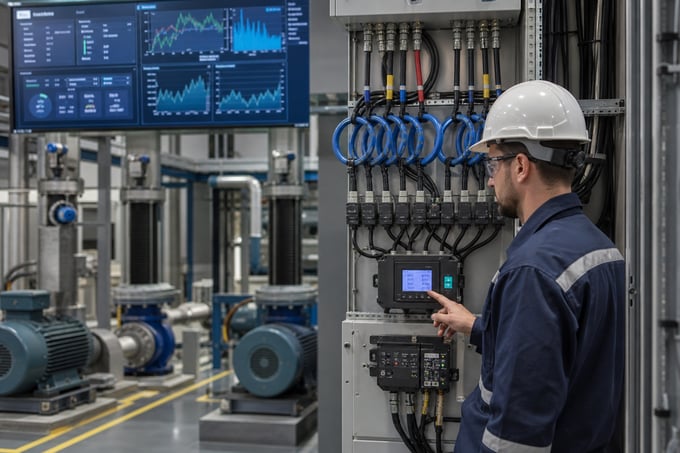
These sensors measure alternating current through electromagnetic induction. They're particularly valuable in high-current applications where direct measurement would be impractical or dangerous. CTs are commonly found in:
- Electrical substations - Industrial motor controls - Power distribution systems2. Hall Effect Sensors
Operating on the Hall effect principle, these sensors excel in measuring both AC and DC current. They offer advantages including:
- Non-invasive measurement capabilities - High accuracy in varying conditions - Extended service life due to no moving parts3. Rogowski Coils
These flexible current sensors are ideal for retrofitting existing installations and measuring large currents. Their benefits include:
- Easy installation around existing conductors - No saturation issues - Excellent linearity across measurement rangesCritical Applications of Power Sensors
Wastewater Treatment Facilities
In wastewater operations, power sensors play a crucial role in monitoring pump stations and treatment equipment. They help prevent:
- Equipment failure due to power fluctuations - Energy waste from inefficient operations - Unexpected system shutdownsIndustrial Manufacturing
Manufacturing facilities rely on power sensors to maintain production efficiency and equipment health. Key applications include:
- Motor performance monitoring - Energy consumption optimization - Predictive maintenance schedulingIntegration with SCADA Systems
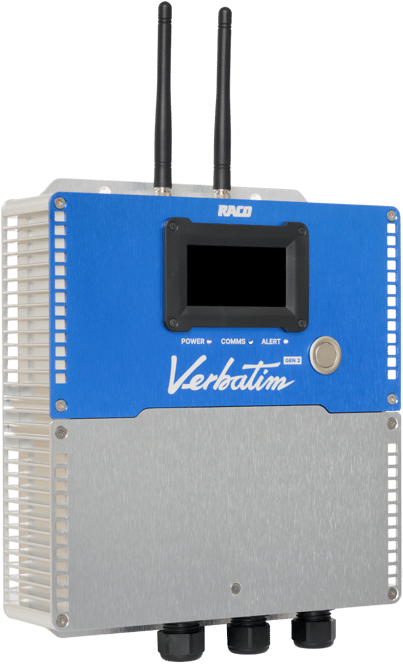
Modern power sensors seamlessly integrate with SCADA systems, providing real-time data for comprehensive facility management. The RACO Catalyst® SCADA system, for example, combines power sensor data with other critical metrics to deliver:
| Feature | Benefit |
|---|---|
| Real-time Monitoring | Immediate awareness of power-related issues |
| Data Logging | Historical analysis for trend identification |
| Alarm Notification | Rapid response to power anomalies |
| Remote Access | Monitor power usage from anywhere |
Best Practices for Power Sensor Implementation
To maximize the effectiveness of power sensors in your facility:
1. Strategic Placement
Position sensors at critical points in your electrical system, including:
- Main power feeds - Major equipment inputs - Distribution panels - Critical process areas2. Regular Calibration
Maintain accuracy through:
- Scheduled calibration checks - Professional recalibration services - Documentation of calibration history3. Data Analysis
Implement robust analysis procedures to:
- Identify consumption patterns - Detect anomalies early - Optimize energy usage - Plan preventive maintenanceFuture Trends in Power Sensor Technology
The power sensor industry continues to evolve with emerging technologies:
| Trend | Impact |
|---|---|
| IoT Integration | Enhanced connectivity and data sharing |
| AI Analytics | Predictive maintenance capabilities |
| Wireless Technology | Simplified installation and monitoring |
| Energy Harvesting | Self-powered sensor operations |
Conclusion
Power sensors are indispensable tools in modern industrial operations. By providing crucial data about electrical systems, they enable proactive maintenance, energy optimization, and enhanced operational efficiency. When integrated with advanced SCADA systems like RACO's solutions, power sensors become part of a comprehensive monitoring strategy that helps facilities maintain peak performance while minimizing downtime and energy waste.
For more information about implementing power sensors in your facility or integrating them with SCADA systems, contact RACO's team of experts today.