

Primary Wastewater Treatment: A Comprehensive Guide to First-Stage Water Purification


Primary Wastewater Treatment: A Comprehensive Guide to First-Stage Water Purification
Primary wastewater treatment stands as the crucial first line of defense in protecting our water resources and public health. As municipalities and industries face increasing pressure to maintain clean water standards, understanding this fundamental process becomes more important than ever. In this comprehensive guide, we'll explore how primary treatment works, its significance in the wastewater treatment chain, and the latest innovations improving its efficiency.
Understanding Primary Wastewater Treatment
Primary wastewater treatment is the initial phase of wastewater purification, designed to remove suspended solids, floating materials, and some organic matter from incoming wastewater. This physical separation process typically removes 50-70% of suspended solids and 25-40% of biological oxygen demand (BOD) from the water stream.
| Parameter | Typical Removal Rate |
|---|---|
| Suspended Solids | 50-70% |
| BOD | 25-40% |
| Bacteria | 20-30% |
Key Components of Primary Treatment Systems
1. Screening
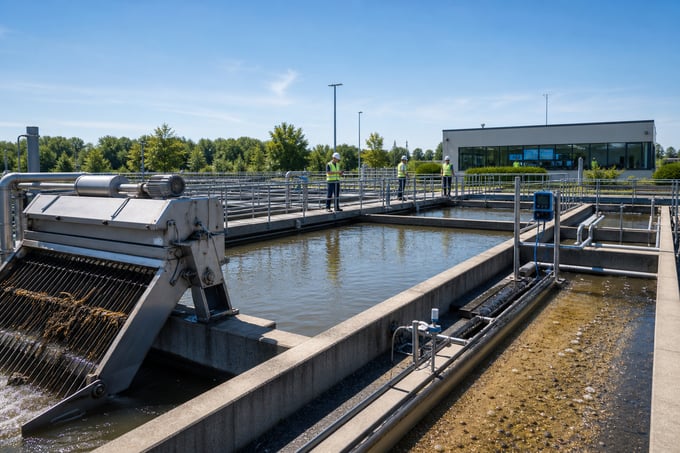
The process begins with preliminary screening, where large debris is removed using mechanical screens. This crucial step protects downstream equipment and improves treatment efficiency. Modern screening systems often incorporate automated cleaning mechanisms and smart monitoring systems to prevent blockages and optimize performance.
2. Grit Removal
Following screening, wastewater enters grit chambers where heavy inorganic materials like sand, gravel, and other minerals settle out. This process is essential for protecting mechanical equipment and preventing accumulation in downstream processes. Advanced grit removal systems may use aerated chambers or vortex separators to enhance efficiency.
3. Primary Sedimentation
The heart of primary treatment occurs in sedimentation tanks, where gravity separation removes suspended solids. These large tanks allow heavier particles to settle to the bottom while lighter materials float to the surface. Modern designs incorporate:
- Optimized flow patterns for improved settling
- Mechanical scrapers for sludge removal
- Scum collection systems
Monitoring and Control Systems in Primary Treatment
Effective monitoring and control systems are essential for maintaining optimal primary treatment performance. Modern facilities employ various instruments and automation solutions, including:
| Monitoring Parameter | Purpose | Technology Used |
|---|---|---|
| Flow Rate | Process Control | Magnetic Flow Meters |
| Suspended Solids | Treatment Efficiency | Optical Sensors |
| pH Levels | Chemical Balance | Digital pH Meters |
Remote Monitoring Solutions
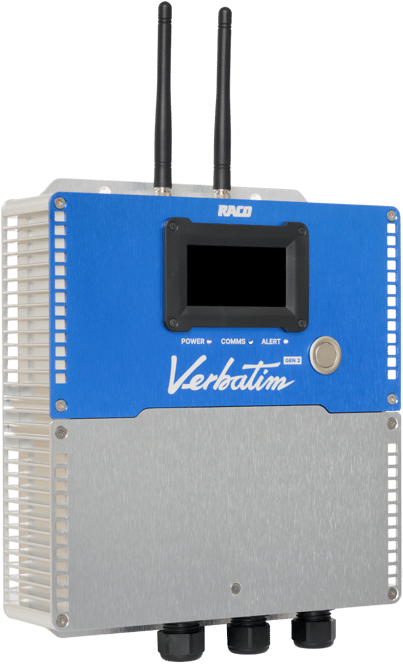
SCADA systems and remote monitoring solutions, such as RACO's Catalyst and AlarmAgent.com, play a crucial role in modern primary treatment operations. These systems provide:
- Real-time monitoring of critical parameters
- Automated alarm notifications
- Data logging and trend analysis
- Remote control capabilities
Common Challenges and Solutions in Primary Treatment
Primary wastewater treatment facilities face several operational challenges that require careful attention and innovative solutions:
1. Flow Variations
Fluctuating influent flows can impact treatment efficiency. Modern facilities address this through:
- Flow equalization basins
- Variable speed pumps
- Advanced control systems
2. Equipment Maintenance
Regular maintenance is crucial for optimal performance. Implementing predictive maintenance programs and utilizing remote monitoring can help prevent equipment failures and optimize maintenance schedules.
Optimizing Primary Treatment Efficiency
To maximize the effectiveness of primary treatment, facilities should consider implementing:
1. Chemical Addition
Strategic use of coagulants and flocculants can enhance solid removal efficiency by up to 80%. However, careful monitoring and control of chemical dosing is essential for cost-effective operation.
2. Advanced Monitoring Systems
Integration of smart monitoring solutions enables:
- Early detection of process issues
- Optimization of chemical usage
- Improved energy efficiency
- Better compliance with regulatory requirements
Future Trends in Primary Wastewater Treatment
The field of primary wastewater treatment continues to evolve with new technologies and approaches:
| Trend | Impact |
|---|---|
| IoT Integration | Enhanced monitoring and control capabilities |
| Energy Recovery | Improved sustainability and reduced operating costs |
| Advanced Materials | Better equipment durability and performance |
Conclusion
Primary wastewater treatment remains a fundamental component of water quality management. By understanding and optimizing this crucial process, facilities can better protect public health and the environment while managing operational costs effectively. The integration of modern monitoring and control systems, coupled with proper maintenance and operational practices, ensures optimal performance and regulatory compliance.
For more information about implementing effective monitoring solutions for your primary wastewater treatment facility, contact RACO Manufacturing & Engineering to explore our range of alarm monitoring and notification systems.