

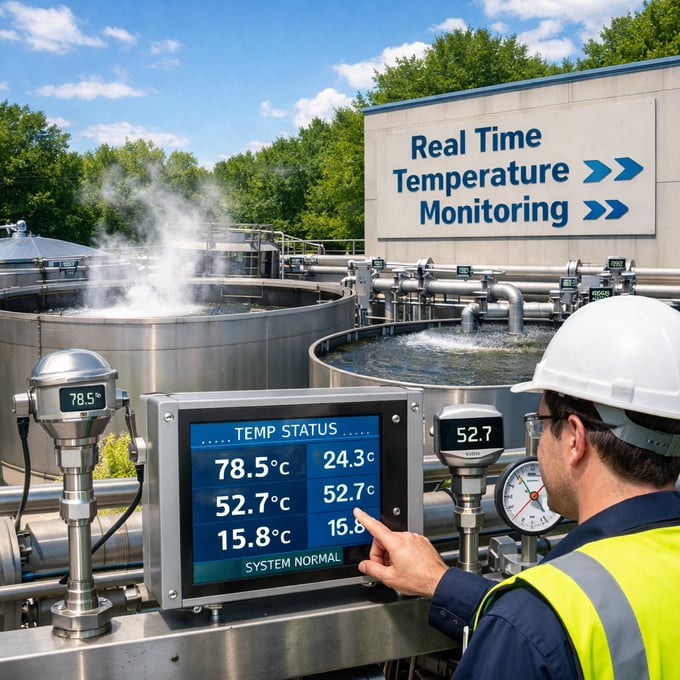
Real Time Temperature Monitoring: Essential Guide for Wastewater Management


Real Time Temperature Monitoring: Essential Guide for Wastewater Management
Temperature fluctuations in wastewater systems can spell disaster for treatment processes and equipment integrity. Without real time temperature monitoring, facilities risk operational inefficiencies, compliance violations, and costly equipment failures. This comprehensive guide explores how modern temperature monitoring solutions are revolutionizing wastewater management and protecting critical infrastructure.
Why Real Time Temperature Monitoring Matters in Wastewater Operations
Temperature plays a crucial role in virtually every aspect of wastewater treatment. From biological processes to chemical reactions, maintaining optimal temperature ranges ensures efficient treatment and regulatory compliance. Real time temperature monitoring provides immediate insights that help operators:
- Optimize biological treatment processes
- Prevent equipment damage from thermal stress
- Ensure compliance with discharge permits
- Reduce energy consumption
- Extend equipment lifecycle
Critical Applications for Temperature Monitoring
| Process Area | Temperature Impact | Monitoring Benefits |
|---|---|---|
| Biological Treatment | Affects microbial activity rates | Optimize treatment efficiency |
| Anaerobic Digestion | Controls methane production | Maximize biogas generation |
| Chemical Processing | Influences reaction rates | Ensure treatment effectiveness |
| Equipment Protection | Prevents thermal damage | Extend asset lifespan |
Key Components of an Effective Temperature Monitoring System
A robust real time temperature monitoring solution requires several integrated components working together seamlessly:
1. Temperature Sensors
Modern temperature sensors offer exceptional accuracy and reliability. Key considerations include:
- Sensor type (RTD, thermocouple, thermistor)
- Measurement range
- Response time
- Environmental protection rating
2. Data Collection and Transmission
Reliable data transmission ensures operators receive temperature readings in real-time. Essential features include:
- Wireless or hardwired communication
- Network redundancy
- Data encryption
- Signal strength monitoring
3. Monitoring and Control Systems
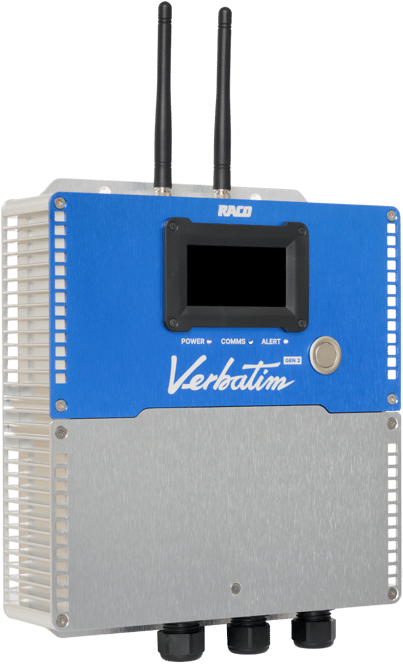
Advanced SCADA systems like those from RACO Manufacturing & Engineering provide comprehensive temperature monitoring capabilities:
- Real-time data visualization
- Automated alerting
- Historical trending
- Remote access capabilities
Best Practices for Implementation
Successfully implementing real time temperature monitoring requires careful planning and execution:
1. System Design Considerations
Proper system design ensures reliable monitoring and actionable data:
- Sensor placement optimization
- Communication infrastructure assessment
- Integration with existing systems
- Redundancy planning
2. Alarm Configuration
Effective alarm strategies help operators respond quickly to temperature issues:
- Define temperature thresholds
- Establish escalation procedures
- Configure notification methods
- Document response protocols
Advanced Features and Capabilities
Modern temperature monitoring systems offer sophisticated features that enhance operational efficiency:
Predictive Analytics
Advanced algorithms analyze temperature trends to predict potential issues before they occur, enabling proactive maintenance and reducing downtime.
Mobile Integration
Mobile apps and interfaces allow operators to monitor temperatures and receive alerts from anywhere, ensuring rapid response to critical situations.
Cloud-Based Data Management
Cloud storage and processing capabilities enable:
- Long-term data analysis
- Remote access to historical data
- Advanced reporting capabilities
- System-wide performance optimization
Regulatory Compliance and Reporting
Real time temperature monitoring plays a crucial role in maintaining regulatory compliance:
Compliance Requirements
Temperature monitoring helps facilities meet various regulatory requirements:
- NPDES permit conditions
- EPA regulations
- State-specific requirements
- Local discharge permits
Cost-Benefit Analysis
Investing in real time temperature monitoring delivers significant returns:
| Benefit Category | Potential Savings |
|---|---|
| Energy Efficiency | 10-15% reduction in energy costs |
| Equipment Longevity | 20-30% extension in asset lifecycle |
| Maintenance Costs | 25-35% reduction in maintenance expenses |
| Compliance Costs | 40-50% reduction in violation risks |
Future Trends in Temperature Monitoring
The future of real time temperature monitoring is evolving with new technologies:
- AI-powered analysis and optimization
- IoT integration and smart sensors
- Advanced visualization tools
- Automated response systems
Conclusion
Real time temperature monitoring is no longer optional for modern wastewater facilities. It's a critical tool for ensuring operational efficiency, regulatory compliance, and system reliability. By implementing robust temperature monitoring solutions, facilities can protect their assets, optimize their processes, and maintain consistent treatment effectiveness.
For more information about implementing real time temperature monitoring solutions in your facility, contact RACO Manufacturing & Engineering. Our experts can help you design and deploy a system that meets your specific needs and requirements.