

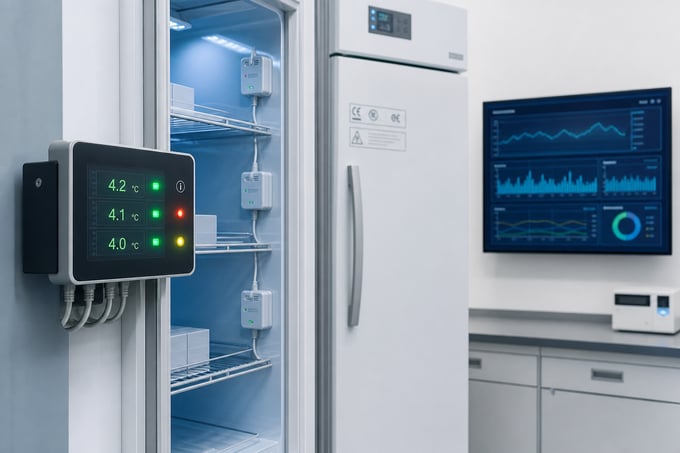
Refrigerator Alarms: The Essential Guide to Temperature Monitoring Systems for Critical Storage


Refrigerator Alarms: The Essential Guide to Temperature Monitoring Systems for Critical Storage
When it comes to protecting temperature-sensitive materials, a reliable refrigerator alarm system isn't just a convenience—it's a necessity. Whether you're safeguarding valuable vaccines in a medical facility, preserving food products in a restaurant, or maintaining samples in a laboratory, understanding and implementing the right refrigerator alarm system can mean the difference between safety and significant loss.
Understanding the Critical Role of Refrigerator Alarms
Refrigerator alarms serve as vigilant guardians for temperature-controlled environments. These sophisticated monitoring systems continuously track temperature fluctuations and alert personnel when conditions deviate from preset parameters. In critical applications, such as pharmaceutical storage or food service operations, these alarms provide an essential layer of protection against product loss and compliance violations.
Key Components of a Modern Refrigerator Alarm System
A comprehensive refrigerator alarm system consists of several crucial components working in harmony:
| Component | Function | Importance |
|---|---|---|
| Temperature Sensors | Monitor internal temperature | Primary data collection point |
| Control Unit | Processes sensor data | System brain for decision-making |
| Alert System | Generates notifications | Critical for rapid response |
| Data Logger | Records temperature history | Essential for compliance |
Benefits of Advanced Refrigerator Alarm Technologies
Modern refrigerator alarm systems offer sophisticated features that extend far beyond simple temperature monitoring:
Remote Monitoring Capabilities
Today's systems enable real-time monitoring from anywhere through mobile devices and web interfaces. This capability allows facility managers to maintain oversight even when off-site, ensuring immediate response to potential issues.
Data Logging and Reporting
Automated data collection and reporting features help organizations maintain detailed records for:
- Regulatory compliance - Quality assurance - Performance optimization - Trend analysisSelecting the Right Refrigerator Alarm System
When choosing a refrigerator alarm system, consider these essential factors:
Application Requirements
Different environments demand different monitoring solutions. A pharmaceutical storage facility might require more stringent controls than a restaurant's walk-in cooler. Consider:
| Industry | Critical Requirements | Recommended Features |
|---|---|---|
| Healthcare | Ultra-precise temperature control | Multiple sensor points, redundant alerts |
| Food Service | HACCP compliance | Temperature logging, mobile alerts |
| Laboratory | Sample integrity | High-accuracy sensors, backup power |
Integration with Facility Management Systems
Modern refrigerator alarms should seamlessly integrate with existing facility management systems. This integration enables:
- Centralized monitoring of multiple units - Automated reporting - Streamlined maintenance scheduling - Enhanced energy managementBest Practices for Refrigerator Alarm Implementation
To maximize the effectiveness of your refrigerator alarm system:
Regular Maintenance and Testing
Implement a comprehensive maintenance schedule that includes:
- Weekly sensor calibration checks - Monthly system tests - Quarterly backup system verification - Annual comprehensive system auditsStaff Training and Protocol Development
Ensure all personnel understand:
- Alert response procedures - System operation basics - Emergency protocols - Documentation requirementsAdvanced Alert Features and Configurations
Modern refrigerator alarm systems offer sophisticated alert capabilities that can be customized to your specific needs:
| Alert Type | Description | Application |
|---|---|---|
| SMS Notifications | Instant text messages | Immediate response required |
| Email Alerts | Detailed system reports | Documentation and tracking |
| Voice Calls | Automated phone alerts | Critical situations |
Compliance and Regulatory Considerations
Different industries face varying regulatory requirements for temperature monitoring. Your refrigerator alarm system should help maintain compliance with:
- FDA regulations - HACCP guidelines - Joint Commission standards - State-specific requirementsFuture Trends in Refrigerator Alarm Technology
The future of refrigerator alarm systems is evolving with emerging technologies:
- AI-powered predictive maintenance - IoT integration for enhanced connectivity - Blockchain for secure data management - Advanced analytics for performance optimizationConclusion
A reliable refrigerator alarm system is crucial for protecting temperature-sensitive materials and ensuring regulatory compliance. By understanding the available options and implementing best practices, organizations can significantly reduce risks and maintain optimal storage conditions. Whether you're managing a small medical office or a large industrial facility, the right alarm system provides peace of mind and protection for your valuable assets.