

Remote Data Logger: The Complete Guide to Industrial Monitoring & Data Collection [2024]


Remote Data Logger: The Complete Guide to Industrial Monitoring & Data Collection [2024]
In today's data-driven industrial landscape, monitoring and collecting critical operational data can mean the difference between efficiency and costly downtime. Remote data loggers have emerged as essential tools for maintaining operational visibility and ensuring regulatory compliance across various industries. This comprehensive guide will explore everything you need to know about remote data loggers, from their fundamental operations to advanced applications.
What is a Remote Data Logger?
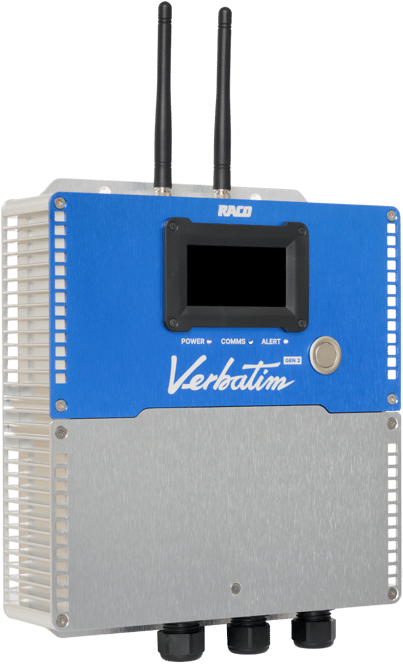
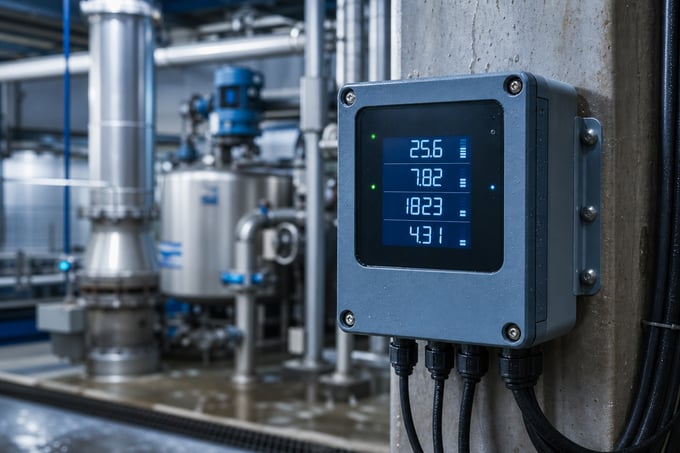
A remote data logger is an electronic device that automatically monitors and records environmental or electrical parameters over time, allowing users to collect data from distant or hard-to-reach locations without physical presence. These sophisticated devices combine sensing capabilities with data storage and transmission functions, making them invaluable for industrial monitoring applications.
Key Components of a Remote Data Logger
Modern remote data loggers consist of several essential components:
| Component | Function |
|---|---|
| Sensors | Measure physical parameters (temperature, pressure, flow, etc.) |
| Processing Unit | Converts sensor signals into digital data |
| Storage System | Records data for later retrieval |
| Communication Module | Transmits data to central monitoring systems |
| Power Supply | Provides consistent operational power |
Applications of Remote Data Loggers
Remote data loggers serve crucial roles across various industries:
Water and Wastewater Management
In water treatment facilities, remote data loggers monitor:
- Flow rates in distribution systems - Pump station operations - Water quality parameters - Storage tank levels - Treatment process efficiencyIndustrial Manufacturing
Manufacturing facilities utilize remote data loggers for:
- Equipment performance monitoring - Energy consumption tracking - Environmental conditions - Production line efficiency - Preventive maintenance schedulingBenefits of Implementing Remote Data Logging Systems
Operational Efficiency
Remote data loggers significantly improve operational efficiency by:
- Reducing manual data collection needs - Enabling real-time monitoring and alerts - Facilitating predictive maintenance - Optimizing resource allocation - Minimizing human error in data collectionCost Savings
Organizations can realize substantial cost savings through:
- Reduced labor requirements for manual monitoring - Early detection of equipment issues - Improved energy efficiency - Optimized maintenance scheduling - Prevention of costly system failuresChoosing the Right Remote Data Logger
Selecting an appropriate remote data logger requires careful consideration of several factors:
Technical Specifications
| Feature | Considerations |
|---|---|
| Measurement Range | Must match application requirements |
| Accuracy | Should meet industry standards |
| Sample Rate | Appropriate for the monitored parameters |
| Storage Capacity | Sufficient for data collection intervals |
| Communication Options | Compatible with existing infrastructure |
Environmental Considerations
The operating environment significantly impacts logger selection:
- Temperature extremes - Moisture exposure - Hazardous locations - Power availability - Physical security requirementsBest Practices for Remote Data Logger Implementation
Installation Guidelines
Proper installation ensures optimal performance:
1. Conduct thorough site surveys 2. Follow manufacturer specifications 3. Ensure proper sensor placement 4. Verify communication coverage 5. Implement backup power solutionsMaintenance Requirements
Regular maintenance ensures reliable operation:
- Schedule periodic calibration checks - Monitor battery levels - Clean sensors and enclosures - Update firmware as needed - Verify data accuracy regularlyFuture Trends in Remote Data Logging
The future of remote data logging is shaped by emerging technologies:
IoT Integration
Internet of Things (IoT) technology is revolutionizing remote data logging through:
- Enhanced connectivity options - Cloud-based data storage - Advanced analytics capabilities - Improved sensor technology - Expanded integration possibilitiesArtificial Intelligence and Machine Learning
AI and ML are enhancing remote data logging by:
- Predictive maintenance capabilities - Automated data analysis - Pattern recognition - Anomaly detection - Optimization recommendationsConclusion
Remote data loggers have become indispensable tools for modern industrial operations. By providing reliable, accurate, and automated data collection capabilities, these devices enable organizations to optimize operations, reduce costs, and maintain regulatory compliance. As technology continues to evolve, remote data loggers will become even more sophisticated, offering enhanced capabilities and greater value to industrial applications.
For more information about implementing remote data logging solutions in your facility, contact RACO Manufacturing & Engineering's expert team or explore our comprehensive range of industrial monitoring solutions.