

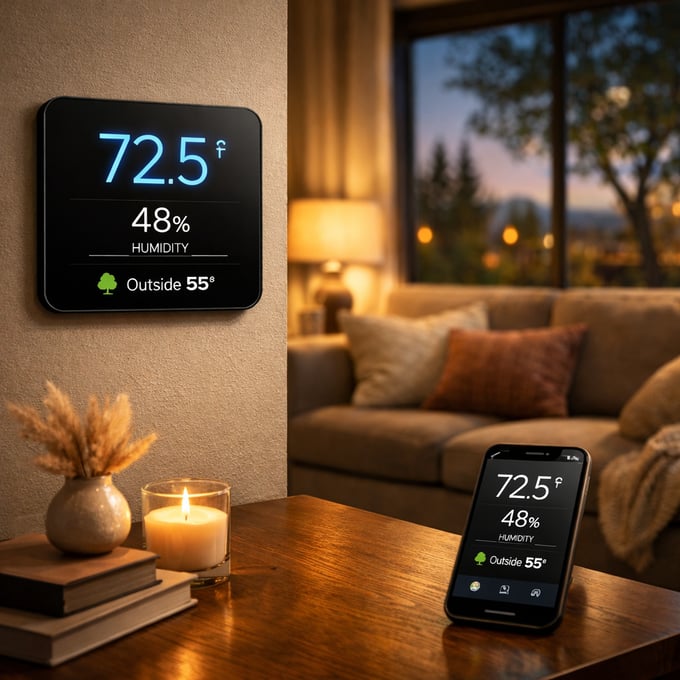
Remote Home Temperature Monitor: The Ultimate Guide to Smart Home Temperature Management


Remote Home Temperature Monitor: The Ultimate Guide to Smart Home Temperature Management
Managing your home's temperature efficiently has never been more critical, both for comfort and energy savings. A remote home temperature monitor provides real-time insights into your home's climate conditions, allowing you to make informed decisions about heating and cooling from anywhere. As experts in remote monitoring solutions, we'll guide you through everything you need to know about these essential smart home devices.
Understanding Remote Home Temperature Monitors
A remote home temperature monitor is a sophisticated device that measures and tracks temperature conditions in your home, transmitting this data to your smartphone or computer. These systems have evolved from simple thermometers to comprehensive environmental monitoring solutions that can protect your property and optimize energy usage.
Key Features of Modern Temperature Monitoring Systems
Today's remote temperature monitoring solutions offer an array of capabilities:
| Feature | Benefit |
|---|---|
| Real-time Monitoring | Instant access to temperature data from anywhere |
| Historical Data Tracking | Analyze patterns and optimize temperature settings |
| Alert Notifications | Immediate warnings when temperatures exceed set thresholds |
| Multi-zone Monitoring | Track different areas of your home simultaneously |
| Integration Capabilities | Connect with smart home systems and HVAC controls |
Benefits of Installing a Remote Temperature Monitor
Implementing a remote home temperature monitor offers numerous advantages that extend beyond basic convenience:
Energy Efficiency and Cost Savings
By monitoring temperature patterns and adjusting settings accordingly, homeowners can significantly reduce energy consumption. Studies show that smart temperature monitoring can lead to 10-15% savings on annual heating and cooling costs.
Property Protection
Temperature monitoring systems protect your home from extreme temperature events that could damage property or affect sensitive equipment. This is particularly crucial for:
- Preventing frozen pipes in winter - Protecting wine collections - Maintaining optimal conditions for pets - Safeguarding electronic equipment - Preventing mold growth in humid conditionsRemote Management Capabilities
Whether you're at work, on vacation, or managing multiple properties, remote temperature monitors provide peace of mind through:
- Mobile app notifications - Web-based monitoring platforms - Automated response systems - Integration with smart home ecosystemsChoosing the Right Remote Temperature Monitoring System
Selecting the appropriate monitoring system depends on several factors:
Essential Considerations
| Factor | Considerations |
|---|---|
| Coverage Area | Single room vs. whole house monitoring needs |
| Connectivity Options | WiFi, cellular, or hybrid communication methods |
| Power Source | Battery life, backup power options, hardwired solutions |
| Integration Requirements | Compatibility with existing smart home systems |
Installation and Setup Best Practices
Proper installation ensures optimal performance of your remote temperature monitoring system:
Sensor Placement Guidelines
Strategic sensor placement is crucial for accurate temperature monitoring:
1. Install sensors away from direct sunlight 2. Position monitors at average room height (5-6 feet) 3. Avoid placement near heat sources or air vents 4. Consider multiple sensors for large spaces 5. Ensure proper distance from interfering electronicsAdvanced Features and Integration Options
Modern remote home temperature monitors offer sophisticated capabilities that extend their functionality:
Smart Home Integration
Many systems can integrate with popular smart home platforms:
- Amazon Alexa - Google Home - Apple HomeKit - Samsung SmartThings - IFTTT automationData Analysis and Reporting
Advanced monitoring systems provide comprehensive data analysis tools:
- Custom temperature range alerts - Trend analysis and graphing - Energy usage reports - Predictive maintenance notifications - Historical data export capabilitiesMaintenance and Troubleshooting
Regular maintenance ensures reliable operation:
Routine Maintenance Tasks
| Task | Frequency |
|---|---|
| Battery Check/Replacement | Every 3-6 months |
| Sensor Calibration | Annually |
| Connection Testing | Monthly |
| Software Updates | As available |
Future Trends in Remote Temperature Monitoring
The future of remote home temperature monitoring is evolving with emerging technologies:
- AI-powered temperature optimization - Enhanced energy management capabilities - Improved integration with renewable energy systems - Advanced predictive maintenance features - Greater emphasis on sustainable temperature controlConclusion
A remote home temperature monitor is an invaluable tool for modern homeowners, offering enhanced comfort, energy efficiency, and property protection. By choosing the right system and following proper installation and maintenance procedures, you can enjoy the benefits of smart temperature monitoring while potentially reducing energy costs and preventing temperature-related damage to your home.
Ready to explore remote monitoring solutions for your home? Contact RACO Manufacturing & Engineering to learn about our comprehensive monitoring systems that can help you maintain optimal temperature conditions in your home.