

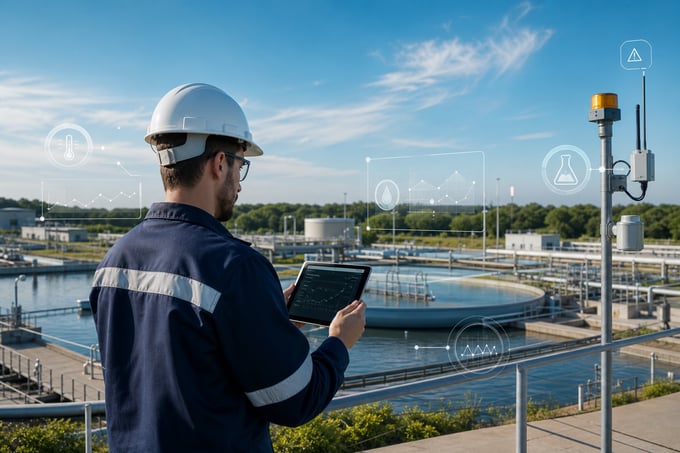
Remote Monitoring Devices: The Ultimate Guide to Modern Wastewater System Management


Remote Monitoring Devices: The Ultimate Guide to Modern Wastewater System Management
Managing wastewater systems has traditionally been a hands-on, labor-intensive process. However, the emergence of sophisticated remote monitoring devices has revolutionized how utilities and industrial facilities oversee their operations. These innovative solutions provide real-time insights, prevent costly failures, and optimize resource allocation – all while reducing the need for physical site visits.
Understanding Remote Monitoring Devices in Wastewater Management
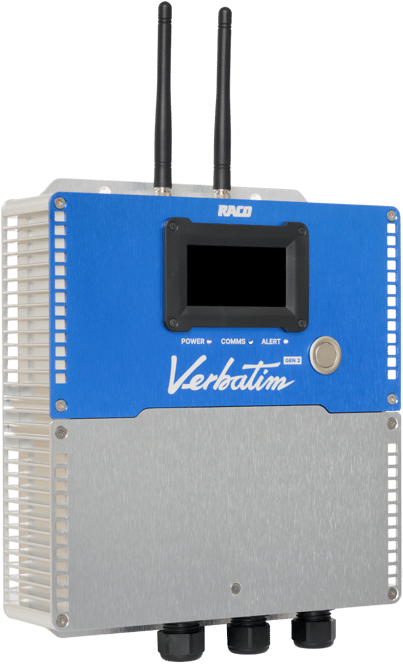
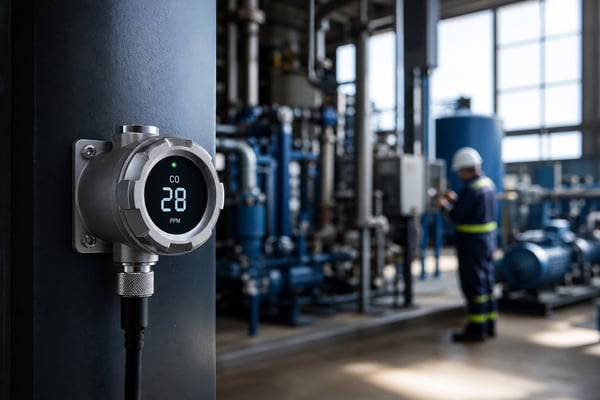
Remote monitoring devices are sophisticated systems that combine sensors, communication technology, and data analysis capabilities to provide continuous oversight of wastewater operations. These devices serve as vigilant observers, constantly collecting and transmitting critical information about system performance, environmental conditions, and potential issues.
Key Components of Remote Monitoring Systems
| Component | Function |
|---|---|
| Sensors | Measure parameters like flow rate, pressure, temperature, and chemical composition |
| Data Loggers | Record and store measurement data |
| Communication Modules | Transmit data to central monitoring stations |
| Analytics Software | Process data and generate actionable insights |
Benefits of Implementing Remote Monitoring Solutions
The adoption of remote monitoring devices brings numerous advantages to wastewater management operations:
1. Real-Time System Visibility
Modern remote monitoring devices provide instant access to critical system data. Operators can view performance metrics, receive alerts, and make informed decisions from anywhere, at any time. This immediate visibility enables proactive management and faster response times to potential issues.
2. Cost Reduction
By implementing remote monitoring devices, facilities can significantly reduce operational costs through:
- Minimized site visits and associated travel expenses - Reduced energy consumption through optimized operations - Prevention of expensive equipment failures - Lower maintenance costs through predictive maintenance3. Enhanced Regulatory Compliance
Remote monitoring devices help facilities maintain compliance with environmental regulations by:
- Automatically tracking and recording compliance data - Generating required reports - Providing early warning of potential compliance issues - Maintaining detailed operational records
Essential Features of Modern Remote Monitoring Devices
Advanced Alarm Capabilities
RACO's Catalyst™ and AlarmAgent.com® systems offer sophisticated alarm features that alert operators to potential issues before they become critical problems. These systems can:
- Send notifications through multiple channels (voice, text, email) - Escalate alerts based on severity and response time - Provide detailed alarm information for faster troubleshooting - Track alarm acknowledgment and resolutionData Analytics and Reporting
Modern remote monitoring devices include powerful analytics tools that transform raw data into actionable insights. These features enable:
- Trend analysis and pattern recognition - Performance optimization recommendations - Predictive maintenance scheduling - Automated report generation for compliance and management
Choosing the Right Remote Monitoring Solution
Selecting the appropriate remote monitoring device requires careful consideration of several factors:
System Requirements Assessment
| Consideration | Questions to Ask |
|---|---|
| Monitoring Needs | What parameters need to be monitored? |
| Communication Requirements | What communication infrastructure is available? |
| Integration Capabilities | How will the system integrate with existing infrastructure? |
| Scalability | How might monitoring needs grow in the future? |
Implementation Best Practices
Successful implementation of remote monitoring devices requires a structured approach:
1. Planning Phase
- Conduct thorough site assessment - Define specific monitoring objectives - Identify potential challenges and solutions - Develop implementation timeline
2. Installation and Configuration
- Follow manufacturer guidelines precisely - Ensure proper sensor placement and calibration - Test communication systems thoroughly - Document all installation details
3. Training and Support
- Provide comprehensive staff training - Establish clear operational procedures - Ensure access to technical support - Regular system review and updates
Future Trends in Remote Monitoring Technology
The field of remote monitoring continues to evolve with emerging technologies:
Artificial Intelligence and Machine Learning
AI-powered remote monitoring devices are becoming increasingly sophisticated, offering predictive capabilities that can anticipate system issues before they occur. These advanced systems can learn from historical data to optimize performance and reduce operational costs.
IoT Integration
The Internet of Things (IoT) is enabling more comprehensive monitoring solutions that can integrate with other smart systems for improved efficiency and coordination.
Conclusion
Remote monitoring devices have become indispensable tools in modern wastewater management. By providing real-time insights, automating crucial processes, and enabling proactive maintenance, these systems help facilities operate more efficiently and reliably. As technology continues to advance, the capabilities of remote monitoring devices will only increase, further improving the management of wastewater systems.
For expert guidance on selecting and implementing the right remote monitoring solution for your facility, contact RACO Manufacturing & Engineering. Our team of specialists can help you design a monitoring system that meets your specific needs and ensures optimal performance of your wastewater operations.