

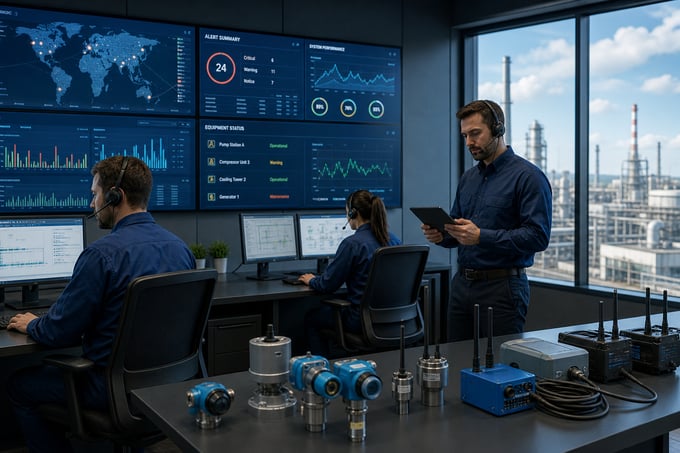
Remote Monitoring Systems: The Complete Guide to Industrial Automation & Control [2024]


Remote Monitoring Systems: The Complete Guide to Industrial Automation & Control [2024]
In today's fast-paced industrial landscape, maintaining operational efficiency while minimizing downtime has become more critical than ever. Remote monitoring systems have emerged as the cornerstone of modern industrial automation, enabling organizations to track, analyze, and control their equipment and processes from anywhere in the world. This comprehensive guide explores everything you need to know about remote monitoring systems and how they're revolutionizing industrial operations.
What is a Remote Monitoring System?
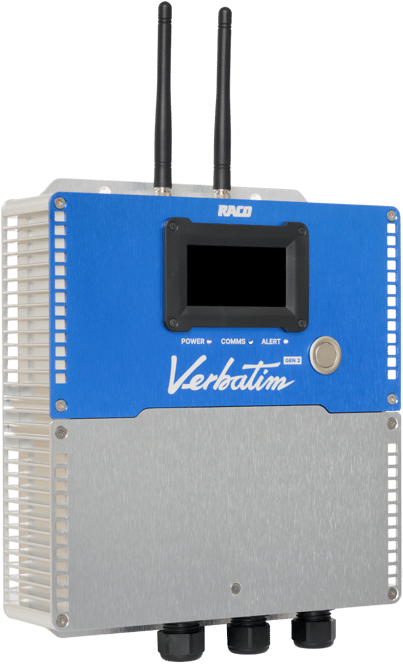
A remote monitoring system is an integrated network of sensors, communication devices, and software that allows operators to monitor and control industrial equipment and processes from a distance. These systems collect real-time data about equipment performance, environmental conditions, and operational parameters, transmitting this information to centralized monitoring stations or mobile devices for analysis and response.
Key Components of a Remote Monitoring System
| Component | Function |
|---|---|
| Sensors | Collect data on temperature, pressure, flow, level, and other parameters |
| Data Loggers | Record and store collected information |
| Communication Modules | Transmit data via cellular, satellite, or internet connections |
| Control Interface | Enable operator interaction and system control |
| Analytics Software | Process data and generate actionable insights |
Benefits of Implementing a Remote Monitoring System
1. Enhanced Operational Efficiency
Remote monitoring systems provide real-time visibility into operations, allowing facility managers to optimize performance and reduce waste. By continuously tracking equipment parameters, these systems help identify inefficiencies and opportunities for improvement.
2. Predictive Maintenance
One of the most significant advantages of remote monitoring systems is their ability to predict equipment failures before they occur. By analyzing performance trends and identifying anomalies, maintenance teams can address issues proactively, reducing unexpected downtime and extending equipment life.
3. Cost Reduction
Through improved efficiency and reduced maintenance requirements, remote monitoring systems typically deliver substantial cost savings. Organizations can expect to see reductions in:
- Emergency repair costs
- Travel expenses for site visits
- Energy consumption
- Labor costs
Applications Across Industries
Wastewater Management
In wastewater treatment facilities, remote monitoring systems play a crucial role in maintaining environmental compliance and operational efficiency. These systems monitor:
- Pump station performance
- Flow rates and levels
- Chemical dosing systems
- Equipment status and alarms
Manufacturing
Manufacturing facilities utilize remote monitoring systems to ensure production continuity and product quality. Key monitoring points include:
- Production line efficiency
- Equipment performance metrics
- Quality control parameters
- Environmental conditions
Selecting the Right Remote Monitoring System
Key Considerations
When choosing a remote monitoring system, consider these essential factors:
| Factor | Considerations |
|---|---|
| Scalability | Ability to grow with your operation |
| Integration | Compatibility with existing systems |
| Security | Data protection and access control features |
| Support | Vendor reliability and technical assistance |
Implementation Best Practices
Successful implementation of a remote monitoring system requires careful planning and execution. Follow these steps for optimal results:
1. Assessment and Planning
Begin with a thorough assessment of your monitoring needs, including:
- Critical equipment identification
- Data collection requirements
- Communication infrastructure needs
- Staff training requirements
2. System Design
Work with experienced providers like RACO Manufacturing & Engineering to design a system that meets your specific needs. Consider factors such as:
- Sensor placement and types
- Communication protocols
- Data storage requirements
- User interface preferences
Future Trends in Remote Monitoring
The future of remote monitoring systems is being shaped by several emerging technologies:
1. Artificial Intelligence and Machine Learning
AI-powered systems are becoming increasingly sophisticated in their ability to predict equipment failures and optimize operations automatically.
2. IoT Integration
The Internet of Things (IoT) is enabling more comprehensive and interconnected monitoring solutions, with seamless data sharing across platforms.
3. Edge Computing
Processing data closer to the source is improving response times and reducing bandwidth requirements for remote monitoring systems.
Conclusion
Remote monitoring systems have become indispensable tools for modern industrial operations. By providing real-time visibility, predictive maintenance capabilities, and cost-saving opportunities, these systems help organizations maintain competitive advantages in their respective industries. As technology continues to evolve, the capabilities of remote monitoring systems will only expand, offering even greater value to industrial operations.
For more information about implementing a remote monitoring system in your facility, contact RACO Manufacturing & Engineering. Our experts can help you design and deploy a solution that meets your specific needs and objectives.