


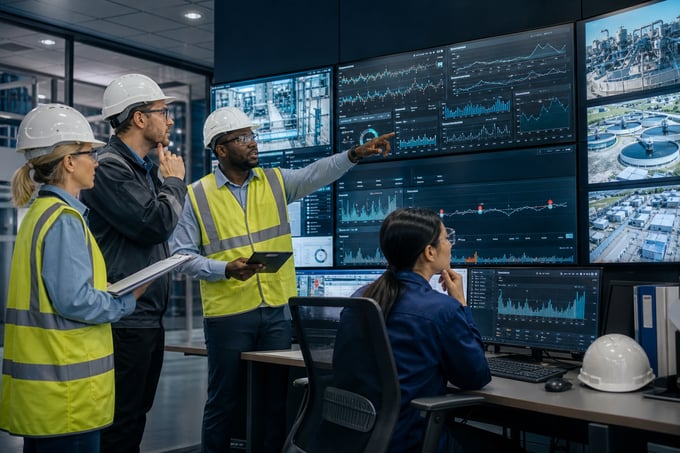
Remote Monitoring Systems: The Complete Guide to Modern Industrial Monitoring Solutions


Remote Monitoring Systems: The Complete Guide to Modern Industrial Monitoring Solutions
In today's fast-paced industrial landscape, the ability to monitor critical systems and equipment from anywhere has become not just a luxury, but a necessity. Remote monitoring systems represent the cornerstone of modern industrial operations, enabling organizations to maintain continuous oversight of their assets while reducing operational costs and preventing costly failures.
Understanding Remote Monitoring Systems
Remote monitoring systems are sophisticated technological solutions that allow operators to track, analyze, and control industrial equipment and processes from any location. These systems combine hardware sensors, communication networks, and software platforms to provide real-time insights into operational performance.
Key Components of Remote Monitoring Systems
A comprehensive remote monitoring solution typically consists of:
| Component | Function |
|---|---|
| Sensors | Collect data on various parameters (temperature, pressure, flow, etc.) |
| Data Loggers | Record and store collected information |
| Communication Modules | Transmit data to central monitoring stations |
| Software Interface | Display and analyze collected data |
| Alert Systems | Notify personnel of critical events or anomalies |
Benefits of Implementing Remote Monitoring Systems
Organizations implementing remote monitoring systems experience numerous advantages that directly impact their bottom line and operational efficiency:
1. Enhanced Operational Efficiency
Remote monitoring systems enable operators to optimize performance by providing continuous visibility into equipment operation. This real-time monitoring allows for immediate response to inefficiencies and helps maintain peak performance levels.
2. Reduced Maintenance Costs
By implementing predictive maintenance strategies through remote monitoring, organizations can significantly reduce maintenance costs. The system identifies potential issues before they become critical, allowing for planned maintenance rather than emergency repairs.
3. Improved Safety and Compliance
Automated monitoring and reporting capabilities ensure compliance with regulatory requirements while minimizing the need for personnel to physically inspect potentially hazardous locations.
Applications Across Industries
Water and Wastewater Management
In the water and wastewater industry, remote monitoring systems play a crucial role in maintaining system integrity and ensuring environmental compliance. These systems monitor:
- Pump station performance and efficiency
- Flow rates and water levels
- Chemical treatment processes
- Equipment status and maintenance needs
Manufacturing and Production
Manufacturing facilities utilize remote monitoring systems to maintain production efficiency and product quality. Key monitoring areas include:
| Parameter | Impact |
|---|---|
| Production Line Speed | Optimize throughput and identify bottlenecks |
| Equipment Performance | Prevent unplanned downtime |
| Quality Metrics | Ensure consistent product quality |
| Energy Consumption | Identify opportunities for energy savings |
Choosing the Right Remote Monitoring System
Selecting an appropriate remote monitoring system requires careful consideration of several factors:
1. Scalability
The system should be able to grow with your organization, accommodating additional monitoring points and increased data collection requirements without significant infrastructure changes.
2. Communication Options
Modern remote monitoring systems should offer multiple communication pathways, including:
- Cellular networks (4G/5G)
- Satellite communication
- Radio frequency
- Ethernet/Internet connectivity
3. Data Security
With increasing cybersecurity threats, robust security features are essential. Look for systems that offer:
- End-to-end encryption
- Secure authentication protocols
- Regular security updates
- Audit trails and access logging
Implementation Best Practices
Successfully implementing a remote monitoring system requires careful planning and execution:
1. Assessment and Planning
Begin with a thorough assessment of your monitoring needs, including:
- Critical parameters requiring monitoring
- Desired alert thresholds
- Reporting requirements
- Integration needs with existing systems
2. Phased Implementation
Consider a phased approach to implementation, starting with critical systems and expanding coverage over time. This approach allows for:
- Better resource management
- Improved learning curve for personnel
- Identification and resolution of implementation challenges
- Validation of system benefits
Future Trends in Remote Monitoring
The future of remote monitoring systems is being shaped by several emerging technologies:
1. Artificial Intelligence and Machine Learning
AI-powered systems can predict equipment failures with greater accuracy and provide more sophisticated analysis of operational data.
2. IoT Integration
Increased integration with IoT devices is enabling more comprehensive monitoring capabilities and greater operational insights.
3. Edge Computing
Processing data closer to the source reduces latency and enables faster response times to critical events.
Conclusion
Remote monitoring systems represent a critical investment in operational efficiency, safety, and reliability. By carefully selecting and implementing the right system, organizations can achieve significant improvements in their operations while reducing costs and minimizing risks.
For expert guidance on implementing remote monitoring systems in your facility, consider consulting with RACO Manufacturing & Engineering's team of specialists who can help design and deploy a solution tailored to your specific needs.


