

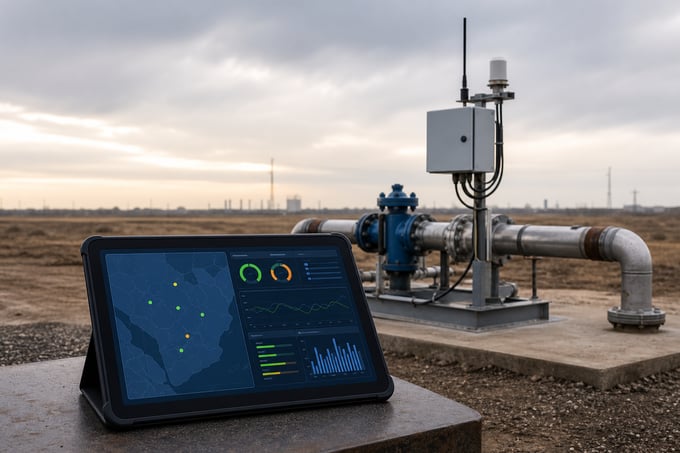
Remote Monitoring Systems: The Complete Guide to Industrial Automation & Control


Remote Monitoring Systems: The Complete Guide to Industrial Automation & Control
In today's fast-paced industrial environment, remote monitoring has become more than just a convenience—it's a critical component of operational efficiency and risk management. Whether you're managing a wastewater treatment facility, overseeing industrial processes, or maintaining critical infrastructure, the ability to monitor your systems from anywhere has become indispensable.
What is Remote Monitoring?
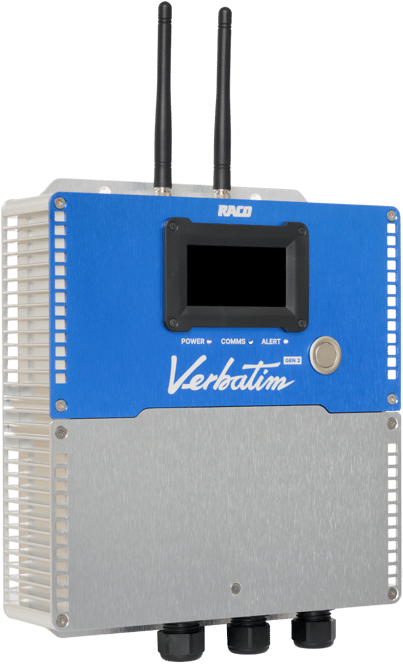
Remote monitoring is a technology-driven system that allows operators and managers to observe, analyze, and control industrial processes and equipment from any location. Using advanced sensors, communication networks, and specialized software, these systems provide real-time data and alerts about operational status, performance metrics, and potential issues.
The Evolution of Remote Monitoring Technology
The journey of remote monitoring systems reflects the broader evolution of industrial automation:
| Era | Technology | Capabilities |
|---|---|---|
| 1970s-1980s | Basic SCADA Systems | Simple data collection and control |
| 1990s-2000s | Internet-Connected Systems | Web-based monitoring and control |
| 2010s-Present | IoT and Cloud Integration | Advanced analytics, AI-driven insights, mobile access |
Key Benefits of Remote Monitoring
1. Enhanced Operational Efficiency
Remote monitoring systems dramatically improve operational efficiency by providing:
- Real-time performance data and analytics
- Predictive maintenance capabilities
- Automated reporting and documentation
- Resource optimization through data-driven decisions
2. Cost Reduction
Organizations implementing remote monitoring typically see significant cost savings through:
- Reduced need for on-site personnel
- Lower maintenance and repair costs
- Decreased downtime and operational disruptions
- Improved energy efficiency
3. Improved Safety and Compliance
Safety and regulatory compliance are enhanced through:
- 24/7 monitoring of critical parameters
- Immediate alert notification
- Automated compliance reporting
- Historical data tracking for audit purposes
Essential Components of a Remote Monitoring System
Hardware Components
A comprehensive remote monitoring solution requires several key hardware elements:
| Component | Function |
|---|---|
| Sensors | Collect data on temperature, pressure, flow, level, etc. |
| RTUs/PLCs | Process and transmit data from sensors |
| Communication Devices | Enable data transmission through cellular, satellite, or internet networks |
| Control Systems | Allow remote operation and adjustment of equipment |
Software Components
The software infrastructure is equally crucial:
- SCADA systems for process control and visualization
- Data analytics platforms for insight generation
- Mobile applications for remote access
- Cloud-based storage and processing capabilities
Implementation Best Practices
Successfully implementing a remote monitoring system requires careful planning and execution:
1. Assessment and Planning
Begin with a thorough evaluation of your needs:
- Identify critical monitoring points
- Determine required measurements and parameters
- Assess existing infrastructure compatibility
- Define communication requirements
2. System Design
Create a comprehensive system design that includes:
- Sensor placement and specifications
- Communication network architecture
- Data storage and processing requirements
- User interface and access controls
Security Considerations
Security is paramount in remote monitoring systems. Key security measures include:
| Security Layer | Implementation |
|---|---|
| Network Security | Firewalls, VPNs, encrypted communications |
| Access Control | Multi-factor authentication, role-based access |
| Data Protection | Encryption at rest and in transit |
| Audit Trails | Logging of all system access and changes |
Future Trends in Remote Monitoring
The future of remote monitoring is being shaped by several emerging technologies:
1. Artificial Intelligence and Machine Learning
AI and ML are revolutionizing remote monitoring through:
- Predictive analytics for maintenance
- Anomaly detection and automated responses
- Pattern recognition for optimization
2. 5G Integration
The rollout of 5G networks will enable:
- Higher data transmission speeds
- Lower latency for real-time control
- Support for more connected devices
Conclusion
Remote monitoring systems have become essential tools for modern industrial operations. By providing real-time visibility, control, and analytics capabilities, these systems enable organizations to optimize their operations, reduce costs, and maintain compliance with regulatory requirements. As technology continues to evolve, the capabilities and benefits of remote monitoring will only increase, making it an increasingly valuable investment for industrial organizations.
Recommended Internal Links:
- SCADA systems
- Industrial automation
- Predictive maintenance
- Industrial IoT
- Alarm notification systems