

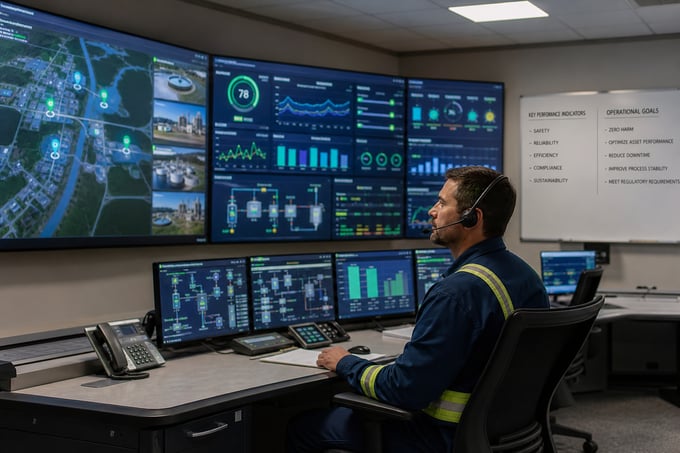
Remote Monitor Systems: The Complete Guide to Industrial Remote Monitoring Solutions


Remote Monitor Systems: The Complete Guide to Industrial Remote Monitoring Solutions
In today's fast-paced industrial environment, the ability to remotely monitor critical systems and equipment isn't just a convenience—it's a necessity. Whether you're managing a wastewater treatment facility, overseeing pump stations, or maintaining industrial equipment, remote monitoring systems are transforming how we approach operational efficiency and system maintenance.
Understanding Remote Monitor Technology
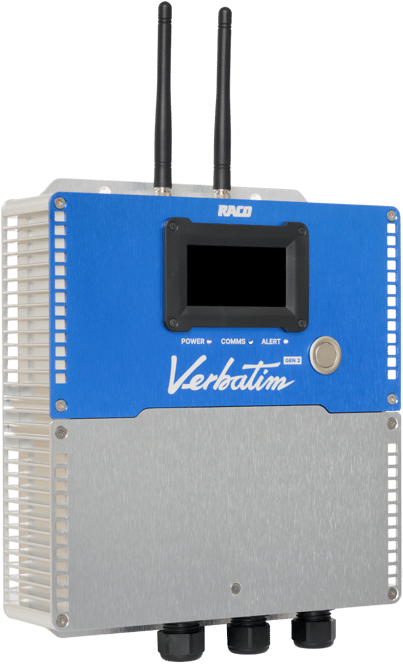
Remote monitoring systems serve as your eyes and ears when you can't be physically present at a facility. These sophisticated systems combine hardware and software components to provide real-time data and alerts about your equipment's performance, environmental conditions, and operational status.
| Component | Function |
|---|---|
| Sensors | Collect data on temperature, pressure, flow, level, and other parameters |
| Data Loggers | Record and store information from sensors |
| Communication Modules | Transmit data to central monitoring stations |
| Software Interface | Display and analyze collected data |
Key Benefits of Remote Monitoring Solutions
Implementing a remote monitor system offers numerous advantages that directly impact your operation's bottom line:
1. Reduced Operational Costs
By minimizing the need for physical site visits and enabling predictive maintenance, remote monitoring systems can significantly reduce operational expenses. Organizations typically see a 15-30% reduction in maintenance costs after implementation.
2. Enhanced Safety
Remote monitoring reduces the need for personnel to enter hazardous environments or travel to remote locations during adverse conditions. This directly translates to improved worker safety and reduced liability risks.
3. Improved Response Time
With real-time alerts and notifications, operators can respond to issues immediately, often before they escalate into major problems. This proactive approach can prevent costly equipment failures and system downtime.
Essential Features of Modern Remote Monitoring Systems
When selecting a remote monitor solution, certain features are crucial for optimal performance:
Real-Time Data Access
Modern systems should provide immediate access to critical data through secure web-based interfaces or mobile applications. This enables operators to make informed decisions quickly, regardless of their location.
Customizable Alerts
The ability to set custom alarm thresholds and notification preferences ensures that the right personnel are alerted when specific conditions are met. This might include:
| Alert Type | Application | Priority Level |
|---|---|---|
| Equipment Malfunction | Pump failure detection | High |
| Environmental Conditions | Temperature thresholds | Medium |
| Performance Metrics | Efficiency monitoring | Low |
Industry Applications
Wastewater Management
In wastewater treatment facilities, remote monitoring systems play a crucial role in maintaining operational efficiency and environmental compliance. These systems monitor:
- Flow rates - Pump station status - Chemical levels - Equipment performance - Regulatory compliance parametersIndustrial Processing
Manufacturing facilities rely on remote monitoring to maintain production efficiency and product quality. Key monitoring points include:
- Production line speeds - Equipment temperatures - Pressure readings - Quality control metrics - Energy consumptionSelecting the Right Remote Monitor Solution
When choosing a remote monitoring system, consider these essential factors:
Scalability
Select a system that can grow with your operation. The best solutions offer modular designs that allow for easy expansion and integration with existing infrastructure.
Reliability
Look for systems with proven track records in your industry. Key reliability features should include:
- Redundant communication paths - Battery backup systems - Robust data storage solutions - Fail-safe alert mechanismsSupport and Service
Choose a provider that offers comprehensive support, including:
- 24/7 technical assistance - Regular system updates - Training programs - Preventive maintenance servicesImplementation Best Practices
Successfully implementing a remote monitor system requires careful planning and execution:
1. Assessment Phase
Begin with a thorough evaluation of your monitoring needs, including:
- Critical monitoring points - Communication requirements - Integration needs with existing systems - Budget constraints2. Installation and Configuration
Proper installation is crucial for system reliability. Key steps include:
- Sensor placement optimization - Communication network setup - System testing and validation - Staff training programsFuture Trends in Remote Monitoring
The remote monitoring industry continues to evolve with emerging technologies:
| Technology | Impact |
|---|---|
| AI Integration | Enhanced predictive maintenance capabilities |
| IoT Expansion | Increased connectivity and data collection points |
| 5G Networks | Faster, more reliable data transmission |
Conclusion
Remote monitor systems are no longer optional in modern industrial operations—they're essential tools for maintaining efficiency, safety, and compliance. By choosing the right system and implementing it properly, organizations can significantly improve their operational effectiveness while reducing costs and minimizing risks.
For more information about implementing remote monitoring solutions in your facility, contact RACO Manufacturing & Engineering's expert team. Our specialists can help you design and implement a monitoring system that meets your specific needs and challenges.