

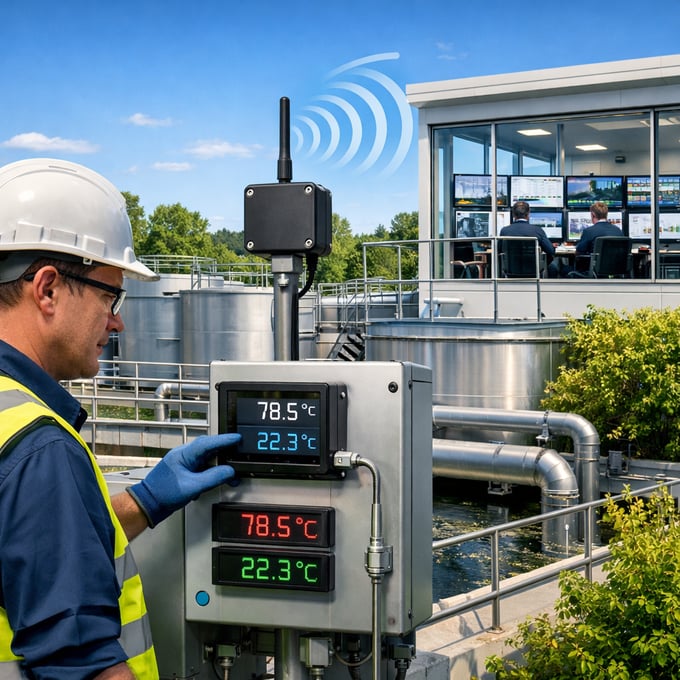
Remote Temperature Sensors: Essential Guide for Wastewater Monitoring & Control


Remote Temperature Sensors: Essential Guide for Wastewater Monitoring & Control
Temperature monitoring in wastewater treatment facilities isn't just about collecting data—it's about maintaining process efficiency, ensuring regulatory compliance, and protecting valuable equipment. Remote temperature sensors have revolutionized how treatment plants monitor and control their operations, offering real-time insights without the need for constant manual checks.
Understanding Remote Temperature Sensors in Wastewater Applications
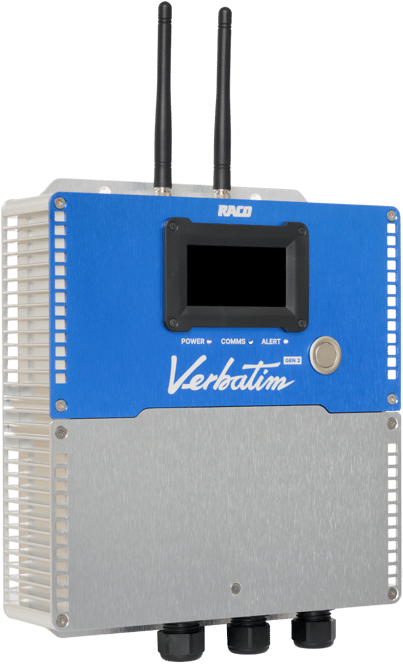
Remote temperature sensors are sophisticated devices that measure temperature from a distance and transmit that data to centralized monitoring systems. In wastewater treatment, these sensors play a crucial role in maintaining optimal conditions for biological processes and protecting equipment from temperature-related damage.
Key Components of Remote Temperature Monitoring Systems
| Component | Function |
|---|---|
| Sensor Element | Measures actual temperature readings |
| Transmitter | Converts temperature readings to digital signals |
| Communication Module | Sends data to central monitoring systems |
| Power Supply | Provides consistent power for continuous operation |
Benefits of Remote Temperature Sensors in Wastewater Treatment
Implementing remote temperature sensors in wastewater treatment operations offers numerous advantages that directly impact operational efficiency and compliance:
1. Real-Time Monitoring and Alert Systems
Modern remote temperature sensors provide instant notifications when temperatures deviate from preset parameters. This immediate awareness allows operators to respond quickly to potential issues before they escalate into serious problems.
2. Improved Process Control
Temperature directly affects biological treatment processes. Remote sensors enable precise control over these processes, optimizing treatment efficiency and reducing operational costs.
3. Enhanced Safety and Compliance
By eliminating the need for manual temperature checks in hazardous areas, remote sensors improve worker safety while ensuring consistent compliance with regulatory requirements.
Critical Applications in Wastewater Treatment
Remote temperature sensors serve various essential functions throughout the treatment process:
Anaerobic Digestion Monitoring
Temperature control is crucial for maintaining optimal conditions for methane-producing bacteria. Remote sensors ensure these sensitive organisms operate at peak efficiency.
Equipment Protection
Monitoring pump and motor temperatures helps prevent overheating and extends equipment life, reducing maintenance costs and downtime.
Effluent Temperature Control
Ensuring discharged water meets temperature regulations is critical for environmental compliance and ecosystem protection.
Selecting the Right Remote Temperature Sensor
When choosing remote temperature sensors for wastewater applications, consider these crucial factors:
| Factor | Consideration |
|---|---|
| Accuracy Requirements | ±0.5°C to ±2°C depending on application |
| Environmental Conditions | Corrosion resistance, waterproofing |
| Communication Protocol | SCADA compatibility, wireless options |
| Maintenance Needs | Calibration frequency, cleaning requirements |
Integration with SCADA Systems
Modern remote temperature sensors seamlessly integrate with Supervisory Control and Data Acquisition (SCADA) systems, providing comprehensive monitoring and control capabilities. This integration enables:
- Automated data logging and trend analysis
- Custom alert configurations
- Remote adjustment of process parameters
- Historical data storage for compliance reporting
Best Practices for Implementation
To maximize the benefits of remote temperature sensors, follow these implementation guidelines:
1. Strategic Sensor Placement
Identify critical monitoring points throughout your treatment process. Consider factors such as flow patterns, mixing zones, and potential temperature gradients when selecting sensor locations.
2. Regular Calibration and Maintenance
Develop a comprehensive maintenance schedule that includes:
| Task | Frequency |
|---|---|
| Calibration Check | Monthly |
| Sensor Cleaning | Bi-weekly |
| Communication Test | Weekly |
| Full System Audit | Annually |
Future Trends in Remote Temperature Sensing
The field of remote temperature sensing continues to evolve, with several emerging trends shaping the future:
- Integration of AI and machine learning for predictive maintenance
- Enhanced wireless capabilities and battery life
- Improved sensor accuracy and reliability
- Greater integration with cloud-based monitoring systems
Conclusion
Remote temperature sensors are indispensable tools in modern wastewater treatment operations. By providing accurate, real-time temperature monitoring, these devices help optimize processes, protect equipment, and ensure regulatory compliance. As technology continues to advance, the capabilities and applications of remote temperature sensors will only expand, further improving the efficiency and effectiveness of wastewater treatment operations.
For more information about implementing remote temperature sensors in your wastewater treatment facility, contact RACO Manufacturing & Engineering. Our experts can help you design and implement a monitoring solution that meets your specific needs.