

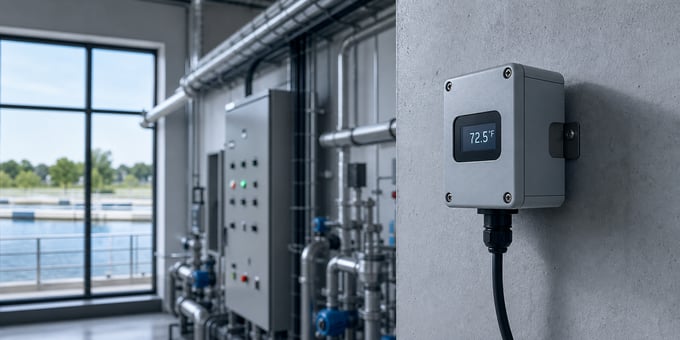
Room Temperature Sensor Guide: Types, Applications & Selection Guide for Industrial Use


Room Temperature Sensor Guide: Types, Applications & Selection Guide for Industrial Use
In industrial and municipal applications, maintaining precise temperature control isn't just about comfort—it's crucial for process efficiency, equipment protection, and regulatory compliance. Room temperature sensors serve as the first line of defense in monitoring and controlling environmental conditions. This comprehensive guide explores everything facility managers and engineers need to know about room temperature sensors, their applications, and how to select the right one for your needs.
Understanding Room Temperature Sensors: The Basics
Room temperature sensors are sophisticated devices that measure ambient temperature in enclosed spaces. Unlike basic thermometers, modern industrial room temperature sensors can integrate with building management systems, SCADA systems, and automation networks to provide real-time monitoring and control capabilities.
Key Components of Room Temperature Sensors
A typical industrial room temperature sensor consists of:
| Component | Function |
|---|---|
| Sensing Element | Converts temperature changes into electrical signals |
| Signal Conditioner | Processes and amplifies the sensor output |
| Housing | Protects internal components and facilitates mounting |
| Communication Interface | Enables data transmission to control systems |
Types of Room Temperature Sensors
1. Resistance Temperature Detectors (RTDs)
RTDs offer exceptional accuracy and stability, making them ideal for industrial applications. These sensors use the principle of electrical resistance changing with temperature in pure metals, typically platinum.
2. Thermistors
Thermistors provide high sensitivity to temperature changes and are cost-effective. They're particularly useful in applications requiring quick response times.
3. Semiconductor-based Sensors
These modern sensors offer digital output capabilities and can easily integrate with electronic control systems. They often include additional features like humidity sensing.
Industrial Applications of Room Temperature Sensors
Room temperature sensors play critical roles across various industrial settings:
Wastewater Treatment Facilities
In wastewater treatment plants, room temperature sensors are essential for:
- Monitoring equipment rooms housing sensitive electronics - Ensuring optimal conditions for biological treatment processes - Protecting chemical storage areas - Maintaining proper working conditions in control roomsManufacturing Facilities
Manufacturing environments rely on room temperature sensors for:
- Quality control in temperature-sensitive production processes - Equipment protection in server rooms and electrical cabinets - Compliance with workplace safety regulations - Energy management and HVAC controlSelection Criteria for Industrial Room Temperature Sensors
Choosing the right room temperature sensor requires careful consideration of several factors:
| Criterion | Considerations |
|---|---|
| Accuracy Requirements | ±0.1°C to ±1°C depending on application |
| Environmental Conditions | Humidity, chemical exposure, vibration resistance |
| Communication Protocol | 4-20mA, Modbus, wireless options |
| Installation Requirements | Mounting options, power supply, wiring needs |
Integration with Alarm Systems
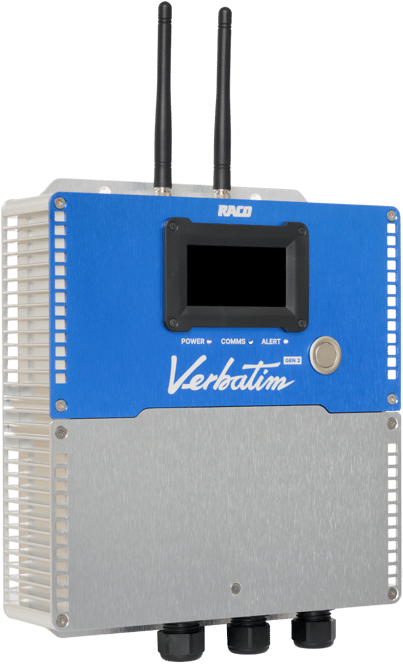
Modern room temperature sensors can be integrated with alarm systems to provide immediate notification when temperatures exceed preset thresholds. RACO's Catalyst and AlarmAgent® systems can seamlessly connect with room temperature sensors to:
- Send automated alerts via phone, email, or text - Log temperature data for compliance reporting - Trigger automated responses through SCADA integration - Enable remote monitoring and controlBest Practices for Installation and Maintenance
Installation Guidelines
Proper installation ensures optimal sensor performance:
1. Mount sensors away from direct sunlight and heat sources 2. Position at the appropriate height (typically 5 feet from the floor) 3. Ensure proper ventilation around the sensor 4. Use appropriate shielding for electrical interference protectionMaintenance Requirements
Regular maintenance extends sensor life and ensures accuracy:
- Calibrate sensors according to manufacturer specifications - Clean sensor housings regularly - Check electrical connections periodically - Document all maintenance activities for compliance purposesTroubleshooting Common Issues
| Problem | Possible Causes | Solution |
|---|---|---|
| Inaccurate Readings | Calibration drift, interference | Recalibrate, check mounting location |
| Communication Failures | Wiring issues, power problems | Inspect connections, verify power supply |
| Slow Response | Airflow obstruction, sensor damage | Clear obstructions, replace if necessary |
Future Trends in Room Temperature Sensing
The field of temperature sensing continues to evolve with emerging technologies:
- IoT integration for enhanced connectivity - AI-powered predictive maintenance - Enhanced energy management capabilities - Improved wireless communication optionsConclusion
Room temperature sensors are critical components in industrial and municipal facilities, providing essential monitoring and control capabilities. By understanding the types, applications, and selection criteria discussed in this guide, facility managers can make informed decisions about implementing temperature monitoring solutions.
For expert guidance on integrating room temperature sensors with your alarm and monitoring systems, contact RACO Manufacturing & Engineering. Our team can help you design a comprehensive solution that meets your specific needs.