

RTD Probes: The Complete Guide to Temperature Measurement in Industrial Applications


RTD Probes: The Complete Guide to Temperature Measurement in Industrial Applications
Temperature measurement is critical in industrial processes, particularly in wastewater treatment, manufacturing, and chemical processing. RTD probes (Resistance Temperature Detectors) stand as the gold standard for accurate and reliable temperature monitoring. This comprehensive guide will explore everything you need to know about RTD probes, from their fundamental operation to advanced applications.
What Are RTD Probes?
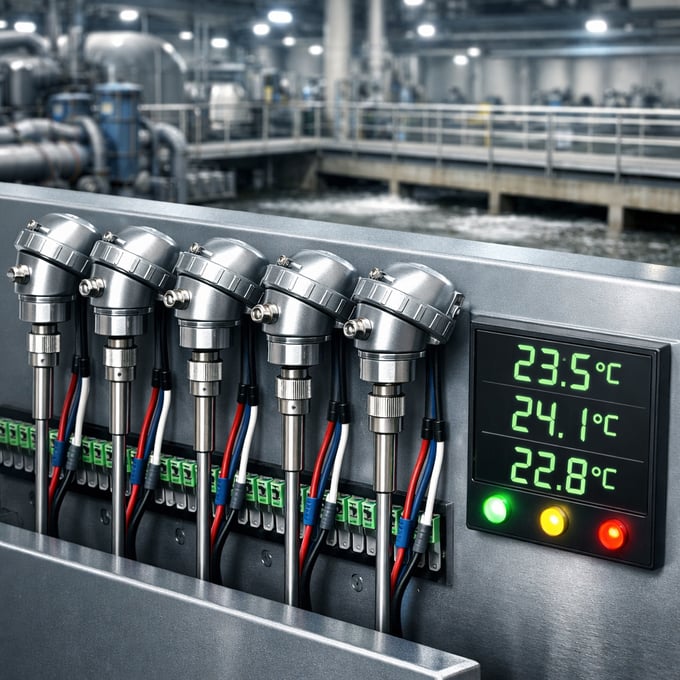
RTD probes are precision temperature sensors that operate on a simple yet effective principle: the electrical resistance of metals changes predictably with temperature. These sensors, typically made from pure metals like platinum, offer exceptional accuracy and stability in industrial temperature measurement applications.
Key Components of an RTD Probe
| Component | Function |
|---|---|
| Sensing Element | Usually platinum wire or film that changes resistance with temperature |
| Protective Sheath | Shields the sensing element from environmental factors |
| Lead Wires | Connects the sensor to measurement instruments |
| Terminal Block | Provides connection points for external wiring |
Types of RTD Probes
Understanding the different types of RTD probes is crucial for selecting the right sensor for your application. Here are the main categories:
1. Wire-Wound RTDs
These traditional RTDs feature a pure metal wire wrapped around a ceramic or glass core. They offer high accuracy but can be more expensive and slower to respond to temperature changes.
2. Thin-Film RTDs
Modern thin-film RTDs use a metallic layer deposited on a ceramic substrate. They're more cost-effective and respond faster to temperature changes, making them ideal for many industrial applications.
3. Coiled Elements
These RTDs provide excellent vibration resistance and are commonly used in high-vibration environments like pumping stations.
RTD Probe Accuracy and Performance
RTD probes are known for their superior accuracy compared to other temperature measurement devices. Here's what affects their performance:
| Class | Accuracy at 0°C | Typical Applications |
|---|---|---|
| Class A | ±0.15°C | High-precision laboratory and critical process control |
| Class B | ±0.3°C | Standard industrial applications |
| Class C | ±0.6°C | General-purpose applications |
Applications in Wastewater Treatment
In wastewater treatment facilities, RTD probes play a crucial role in monitoring and controlling various processes:
Primary Treatment Temperature Monitoring
RTD probes monitor incoming wastewater temperature, which affects treatment efficiency and biological activity. These measurements help operators optimize chemical dosing and settling times.
Biological Treatment Process Control
Temperature monitoring in aeration basins is critical as biological activity is highly temperature-dependent. RTD probes provide accurate data to maintain optimal conditions for beneficial bacteria.
Sludge Processing
During anaerobic digestion and other sludge treatment processes, precise temperature control is essential for maintaining proper bacterial activity and ensuring efficient breakdown of organic matter.
Installation and Maintenance Best Practices
Proper installation and maintenance of RTD probes ensure optimal performance and longevity:
Installation Guidelines
- Ensure proper immersion depth for accurate readings
- Use appropriate thermal wells for protection
- Consider flow direction and turbulence
- Implement proper wiring practices to minimize electrical interference
Maintenance Requirements
Regular maintenance is crucial for reliable operation:
- Calibration checks every 6-12 months
- Regular cleaning to prevent buildup
- Inspection of seals and connections
- Documentation of calibration and maintenance activities
Troubleshooting Common RTD Probe Issues
| Issue | Possible Causes | Solutions |
|---|---|---|
| Erratic Readings | Loose connections, electrical interference | Check wiring, verify grounding |
| Slow Response | Coating buildup, improper installation | Clean probe, verify installation depth |
| Drift in Readings | Sensor degradation, contamination | Recalibrate or replace sensor |
Integration with SCADA and Alarm Systems
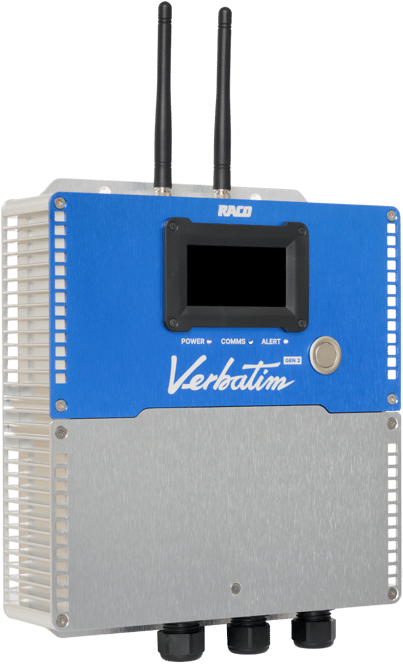
RTD probes can be integrated with modern monitoring and control systems for comprehensive process management. RACO Manufacturing & Engineering's Catalyst and AlarmAgent® systems can be configured to monitor RTD probe readings and provide immediate notification when temperatures fall outside acceptable ranges.
Key Integration Features
- Real-time temperature monitoring
- Custom alarm thresholds
- Data logging and trending
- Remote access capabilities
- Integration with existing SCADA systems
Selecting the Right RTD Probe
When choosing an RTD probe, consider these factors:
Application Requirements
- Temperature range needed
- Required accuracy
- Response time requirements
- Environmental conditions
Installation Considerations
- Mounting requirements
- Process connection type
- Cable length and routing
- Protection requirements
Future Trends in RTD Probe Technology
The field of temperature measurement continues to evolve with new developments in RTD probe technology:
- Smart sensors with built-in diagnostics
- Wireless communication capabilities
- Enhanced durability and longevity
- Improved response times
Conclusion
RTD probes remain the most reliable and accurate option for industrial temperature measurement. Their robust design, precision, and versatility make them ideal for wastewater treatment and other industrial applications. By understanding their operation, selection criteria, and maintenance requirements, you can ensure optimal performance and longevity of your temperature measurement system.
For more information about integrating RTD probes with your monitoring and alarm systems, contact RACO Manufacturing & Engineering. Our experts can help you design a comprehensive solution that meets your specific needs.