



RTD Transmitter: The Complete Guide to Temperature Measurement Excellence
Temperature measurement is critical across numerous industries, from wastewater treatment to food processing. At the heart of precise temperature monitoring lies the RTD transmitter, a sophisticated device that converts temperature readings into reliable electrical signals. This comprehensive guide will explore everything you need to know about RTD transmitters, their applications, and how to select the right one for your needs.
What is an RTD Transmitter?
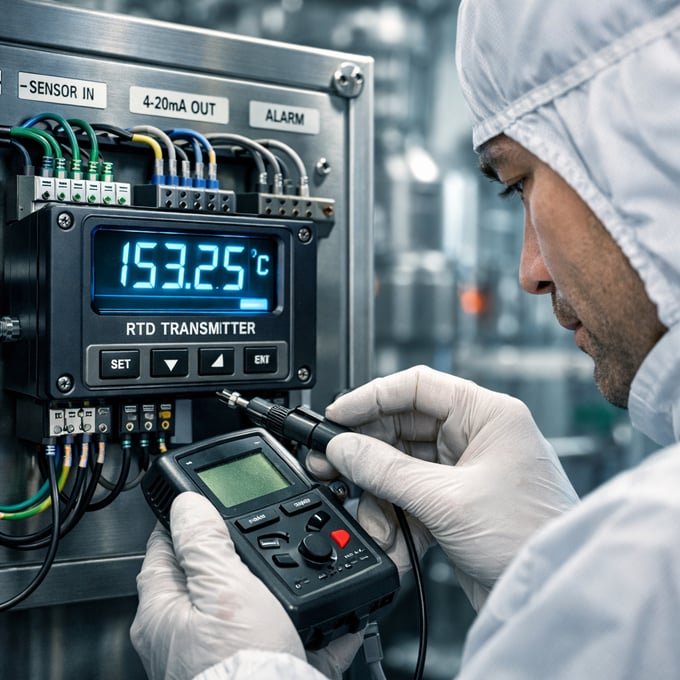
An RTD transmitter is a device that works in conjunction with a Resistance Temperature Detector (RTD) sensor to measure temperature and convert it into a standardized output signal. This signal, typically 4-20mA or 0-10V, can be easily transmitted to control systems, displays, or monitoring equipment.
| Component | Function |
|---|---|
| RTD Sensor | Measures temperature through resistance changes |
| Transmitter Circuit | Converts resistance to standardized output |
| Housing | Protects electronics from environmental factors |
How RTD Transmitters Work
RTD transmitters operate on a simple yet precise principle. As temperature changes, the resistance of the RTD sensor changes proportionally. The transmitter then:
- Measures the resistance change in the RTD sensor
- Converts this resistance value to a temperature reading
- Transforms the temperature reading into a standardized output signal
- Transmits this signal to the control system
Key Benefits of RTD Transmitters
Modern RTD transmitters offer several advantages that make them indispensable in industrial applications:
1. Superior Accuracy
RTD transmitters provide exceptional accuracy, typically achieving ±0.1°C precision. This level of accuracy is crucial in processes where temperature control is critical, such as in pharmaceutical manufacturing or chemical processing.
2. Long-term Stability
Unlike other temperature measurement devices, RTD transmitters maintain their accuracy over extended periods, requiring less frequent calibration and maintenance.
3. Linear Output
The linear relationship between temperature and resistance makes RTD transmitters highly reliable and easier to calibrate compared to other temperature measurement technologies.
Applications Across Industries
RTD transmitters find extensive use across various industries:
| Industry | Application | Benefits |
|---|---|---|
| Wastewater Treatment | Process temperature monitoring | Precise control of treatment processes |
| Food & Beverage | Storage and processing temperature control | Food safety compliance |
| Pharmaceutical | Manufacturing process control | GMP compliance and quality assurance |
| Chemical Processing | Reaction temperature monitoring | Process optimization and safety |
Selecting the Right RTD Transmitter
When choosing an RTD transmitter, consider these crucial factors:
Temperature Range
Ensure the transmitter's range matches your application requirements. Standard industrial RTD transmitters typically cover -200°C to 650°C.
Environmental Conditions
Consider factors like humidity, vibration, and chemical exposure. Choose transmitters with appropriate IP ratings and housing materials.
Output Requirements
Select between analog (4-20mA, 0-10V) or digital (HART, Modbus) outputs based on your control system compatibility.
Installation and Maintenance Best Practices
Proper installation and maintenance are crucial for optimal RTD transmitter performance:
Installation Guidelines
- Mount transmitters away from heat sources and electromagnetic interference
- Use appropriate wiring and shielding techniques
- Ensure proper grounding and protection against moisture
Maintenance Schedule
Implement a regular maintenance program including:
- Quarterly visual inspections
- Annual calibration checks
- Regular cleaning of sensor elements
- Documentation of all maintenance activities
Troubleshooting Common Issues
Understanding common RTD transmitter issues can help maintain optimal performance:
| Issue | Possible Cause | Solution |
|---|---|---|
| Inaccurate Readings | Calibration drift | Recalibrate transmitter |
| No Output Signal | Wiring issues | Check connections and power supply |
| Erratic Readings | EMI interference | Improve shielding |
Future Trends in RTD Transmitter Technology
The field of RTD transmitters continues to evolve with emerging technologies:
- Wireless connectivity options
- Advanced diagnostic capabilities
- Integration with IIoT platforms
- Enhanced digital communication protocols
Conclusion
RTD transmitters remain essential components in modern industrial temperature measurement applications. Their accuracy, reliability, and versatility make them invaluable across numerous industries. By understanding their operation, selection criteria, and maintenance requirements, you can ensure optimal performance and longevity of your temperature measurement system.
For expert guidance on selecting and implementing RTD transmitters in your application, contact RACO Manufacturing & Engineering. Our team of specialists can help you choose the right solution for your specific needs.