

Sanitary System Guide: Essential Components, Maintenance & Modern Monitoring Solutions


Sanitary System Guide: Essential Components, Maintenance & Modern Monitoring Solutions
A well-functioning sanitary system forms the backbone of modern civilization, yet it's something most people rarely think about until problems arise. As communities grow and infrastructure ages, understanding and maintaining these critical systems becomes increasingly important. This comprehensive guide explores everything you need to know about sanitary systems, from their basic components to advanced monitoring solutions that prevent costly failures.
Understanding Sanitary System Basics
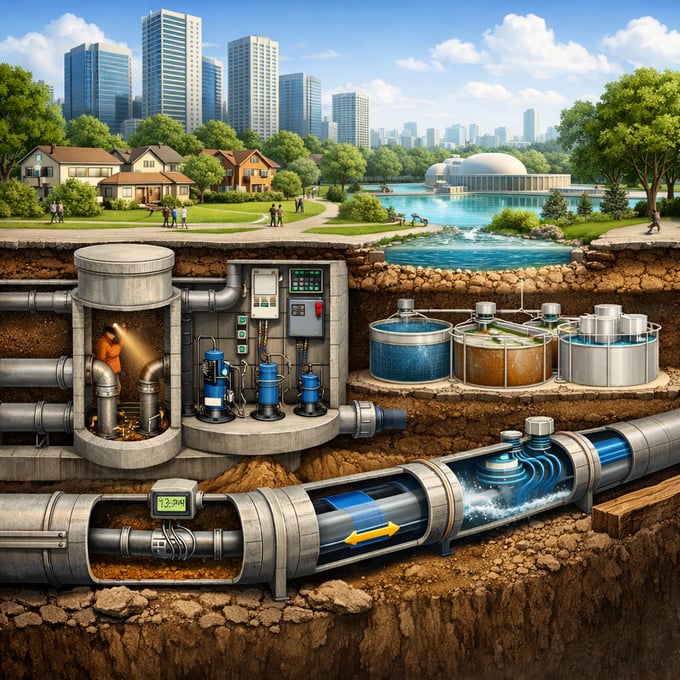
A sanitary system, also known as a sanitary sewer system, is a network of pipes, pumping stations, and treatment facilities that collect and transport wastewater from residential, commercial, and industrial sources to treatment facilities. Unlike stormwater systems, sanitary systems specifically handle sewage and other contaminated water that requires treatment before being released back into the environment.
Key Components of a Sanitary System
| Component | Function | Maintenance Requirements |
|---|---|---|
| Collection Pipes | Transport wastewater from sources | Regular inspection, cleaning, repair of cracks |
| Manholes | Access points for maintenance | Seal inspection, cover maintenance |
| Lift Stations | Pump wastewater to higher elevations | Regular pump maintenance, backup power testing |
| Treatment Plants | Process and clean wastewater | Daily operations monitoring, equipment maintenance |
Common Challenges in Sanitary System Management
Managing a sanitary system comes with numerous challenges that operators must address proactively to prevent system failures and environmental impacts:
1. Infiltration and Inflow (I&I)
Groundwater and stormwater entering the system through defects can overwhelm capacity and increase treatment costs. Modern monitoring solutions can detect unusual flow patterns indicating I&I issues before they become critical.
2. Aging Infrastructure
Many sanitary systems in the United States are approaching or exceeding their designed lifespan. This aging infrastructure requires increased maintenance and modern monitoring solutions to prevent failures.
3. Capacity Management
Growing communities strain existing infrastructure, requiring careful planning and monitoring to manage system capacity effectively.
Modern Monitoring Solutions for Sanitary Systems
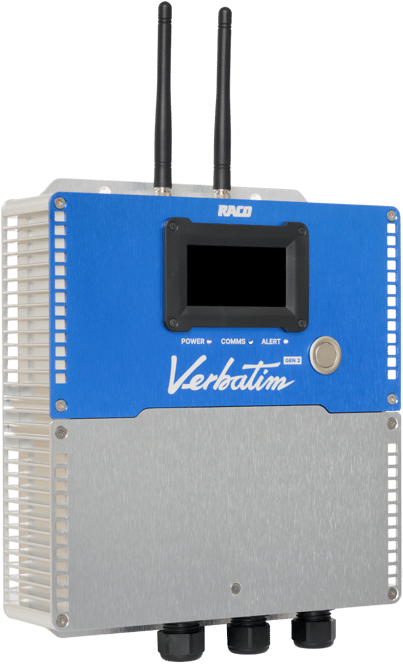
Advanced monitoring technology has revolutionized how operators manage sanitary systems. RACO Manufacturing & Engineering's solutions provide real-time insights and alerts that help prevent system failures and optimize operations.
Key Monitoring Components
Modern sanitary system monitoring typically includes:
- Flow Meters: Monitor water movement through the system
- Level Sensors: Track water levels in lift stations and treatment facilities
- Pressure Sensors: Detect potential blockages or system stress
- Remote Terminal Units (RTUs): Collect and transmit data from field devices
Benefits of Advanced Monitoring Systems
| Benefit | Impact |
|---|---|
| Early Warning Detection | Prevents overflow events and system failures |
| Cost Reduction | Optimizes maintenance scheduling and reduces emergency repairs |
| Regulatory Compliance | Ensures consistent monitoring and reporting |
| Resource Optimization | Improves staff efficiency and system performance |
Best Practices for Sanitary System Maintenance
Implementing a comprehensive maintenance program is crucial for long-term system reliability. Key practices include:
1. Preventive Maintenance
Regular inspections and cleaning help prevent system failures and extend infrastructure life. Modern monitoring systems can help optimize maintenance schedules based on actual system conditions rather than fixed intervals.
2. Emergency Response Planning
Having well-documented procedures and automated alert systems ensures quick response to potential issues. RACO's alarm systems provide immediate notification when problems arise, allowing operators to address issues before they become emergencies.
3. Data Management and Analysis
Collecting and analyzing system data helps identify trends and potential problems before they become critical. Modern SCADA systems integrate with monitoring equipment to provide comprehensive system oversight.
Future Trends in Sanitary System Management
The future of sanitary system management is increasingly focused on smart technology and predictive maintenance. Key trends include:
- Artificial Intelligence for predictive maintenance
- IoT sensors for comprehensive system monitoring
- Advanced data analytics for system optimization
- Integration with smart city initiatives
Conclusion
A well-maintained sanitary system is essential for public health and environmental protection. By implementing modern monitoring solutions and following best practices for maintenance, operators can ensure reliable system performance while optimizing resources and reducing costs. As technology continues to evolve, the opportunities for improving system management will only increase.
For more information about implementing advanced monitoring solutions for your sanitary system, contact RACO Manufacturing & Engineering to discuss your specific needs and challenges.